
Nearly 300 millimetres of rain in 48 hours left a metropolis of more than ten million wading through waist-high water, its roads turned to canals and its army deploying field kitchens.

Summer 2026 was the hottest ever recorded in western Europe, its rivers ran dry, its crops failed and its forests burned. But the real story is no longer survival.
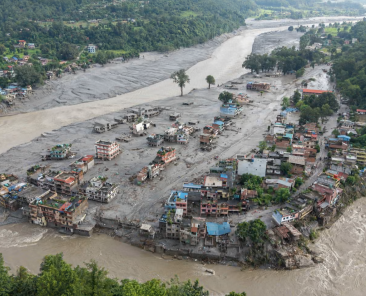
A slab of Himalayan ice and rock gave way high on the Nepal-China border and thundered down the valleys below, burying towns in mud
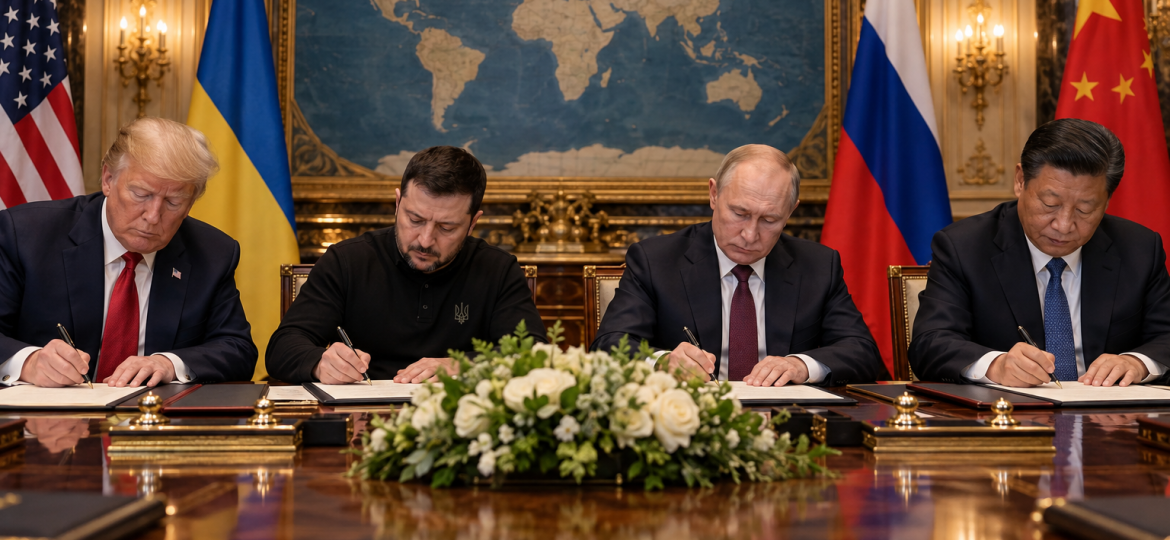
If the current momentum survives the next several weeks, December may become the month in which the war that reshaped Europe finally gives way to the agreement that reshapes the world.

Over the past three decades, international and commercial negotiation theory has been driven by a prevailing premise: the pursuit of efficiency through market integration.
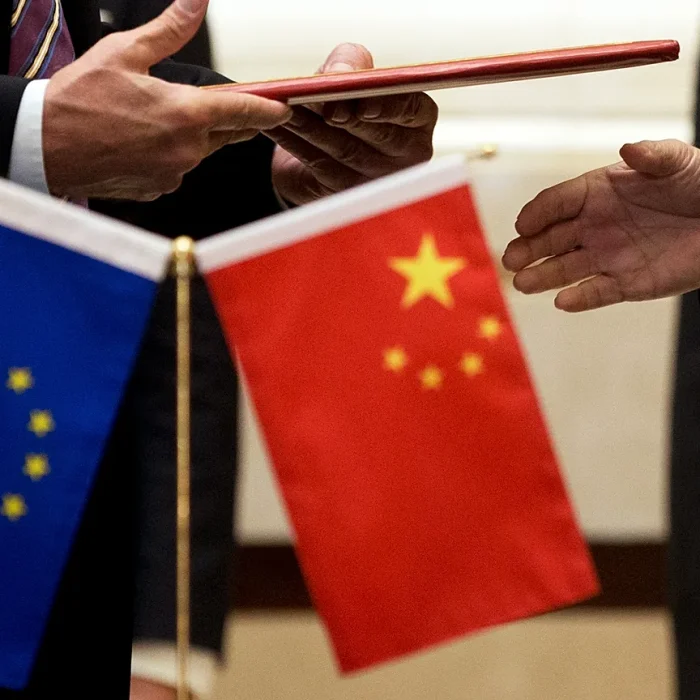
After two days of talks in Beijing, the European Union and China have reached an agreement that could reduce Chinese exports of hybrid and plug-in hybrid cars by more than half over the next four years, preventing the arrival of several million vehicles.

Let’s turn to the subject of Ukraine. Brussels has once again come up with some “excellent” ideas—for the rest of the world, that is, not for the European Union.
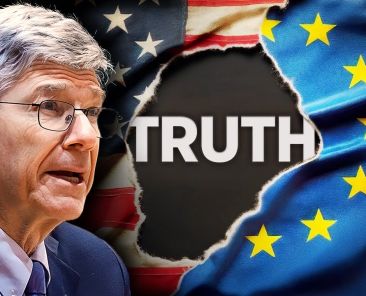
The American economist told MEPs that Europe is not defending Ukraine but destroying it, and that pushing a nuclear superpower toward humiliation is a “death wish.”
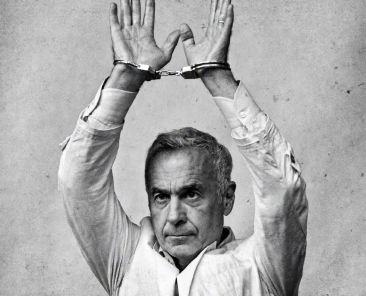
The gates did not open. The city did not exhale. In Bucharest, a man who stood at the front of a presidential race remained where the state had put him: behind bars.

To support the claims made in the title, I will briefly present a series of five news items. The purpose is for you—the consumers of news—to grasp, once again, just how important a fair and accurate press would
Following the dismissal a few days ago of Kimberly Guilfoyle—America’s ambassador to Greece, an ousting that reportedly involved the complicity of a Romanian connection—Marco Rubio, the direct superior of Paolo Zampolli
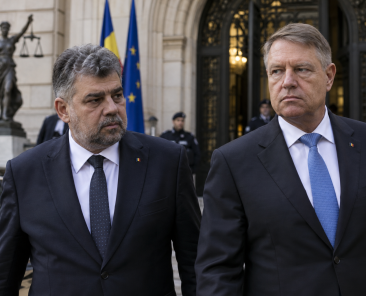
For nearly two years, one of the most consequential political decisions in post-communist Romania has remained surrounded by unanswered questions.

Federal prosecutors say Ian Brinksman repeatedly pulled top-secret reports he had no reason to read and fed them to a journalist he was dating, who published the material online.

FBI Director Kash Patel hosted Montenegro’s Minister of Justice Bojan Bozovic and a Montenegrin delegation at FBI Headquarters on October 19, 2026
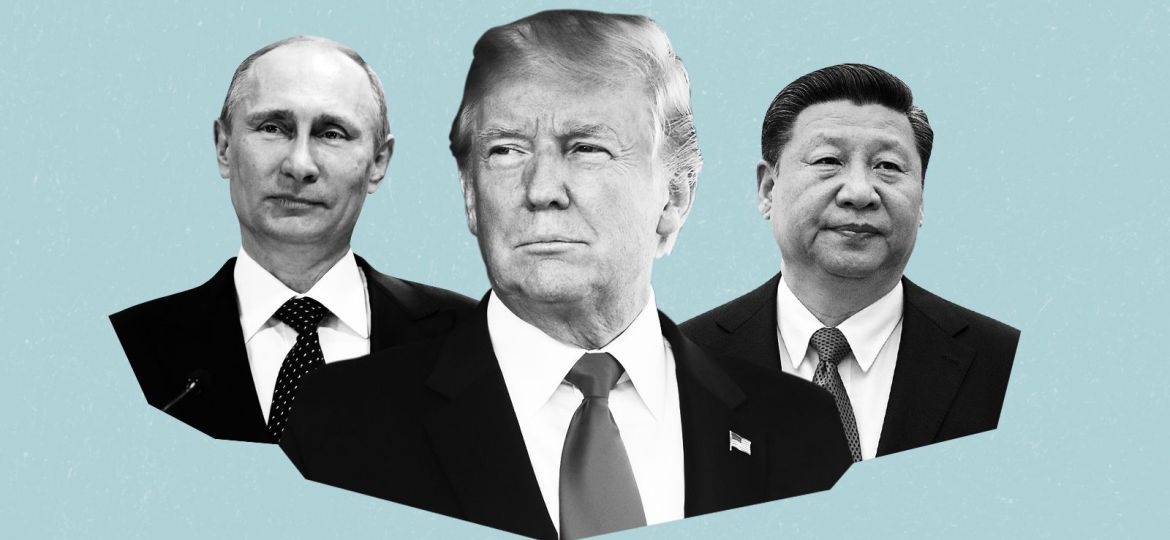
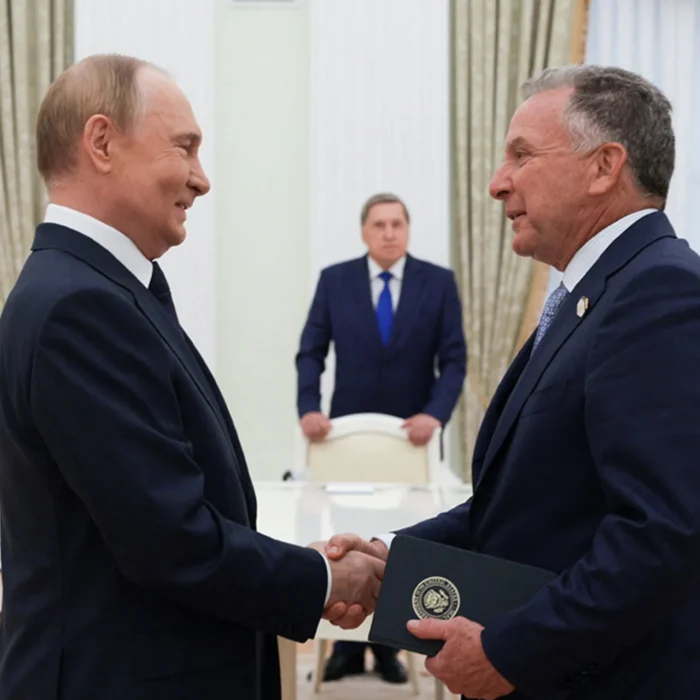
Russian President Vladimir Putin has proposed a high-stakes summit next month with U.S. President Donald Trump and Chinese President Xi Jinping aimed at negotiating an end to the war in Ukraine

Fifty-seven thousand people on the largest island on earth, sitting atop rare earths and astride the melting sea lanes of the Arctic. In 2026 Greenland found itself the object of an American president’s ambition, a Danish reckoning, and a great-power scramble it never asked to join. This is the country behind the headlines.
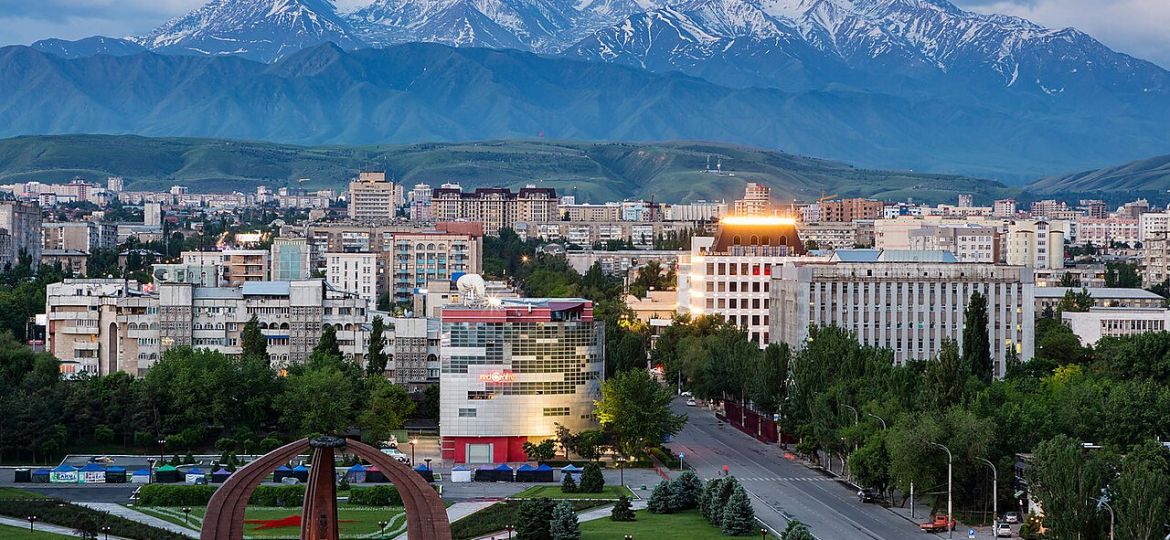
Kyrgyzstan is a small, mountainous country with a booming economy, a fading reputation for revolution, and a president quietly turning the region’s most open political system into something that looks increasingly like its neighbors.

A profile of the archipelago the world suddenly wants to know.


A history of South Korea I recently read is titled *Shrimp to Whale* by Ramon Pacheco Pardo. The title alludes to a Korean proverb stating that when whales fight, the shrimp’s back gets broken.


Let us turn, however, to the situation in East Asia. On August 12, Putin visited Iturup Island in the Kuril chain—touring a fish processing plant and some schools—an event that sparked quite a controversy, so to speak.

It began with one sentence a prime minister didn’t need to say. Ten months later, Japan and China are locked in their worst rupture in a generation.

In what observers are calling the most consequential election in Bangladesh’s recent history, the Bangladesh Nationalist Party (BNP) swept to a commanding parliamentary victory on Friday, ending nearly two decades in the political wilderness and setting the stage for a dramatic new chapter in the South Asian nation’s turbulent democratic journey.

Kuala Lumpur, Malaysia – October 27, 2025 – In a significant diplomatic push, world leaders assembled in Malaysia on Monday to explore avenues for enhancing economic and trade relations, against the backdrop of impending U.S. tariffs.

Many global analysts predict that India will be the next great economic power: Goldman Sachs has predicted that it will become the world’s second-largest economy by 2075 and Martin Wolf of the Financial Times
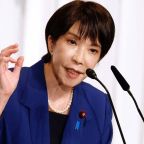
On the 21st of October, the Takaichi has been selected as the 104th Prime Minister of Japan by the Japanese Parliament, which has stopped the persistent political deadlock situation after the resignation of Ishiba Shigeru on the September 7th.


The great-power struggle between China and the West now runs through a scattering of small island nations most Europeans know only from postcards.
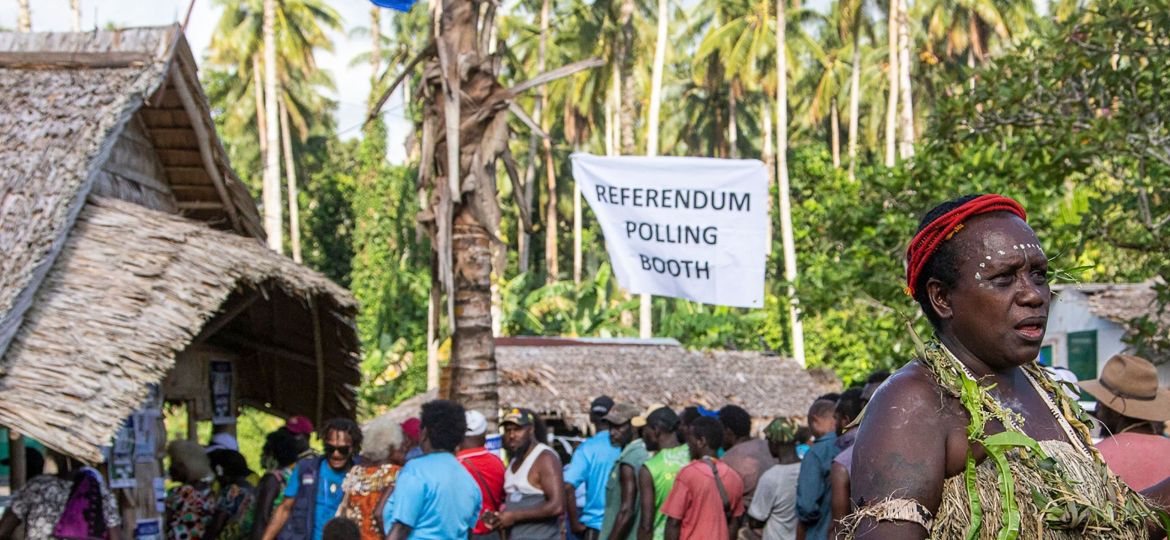
Almost 98 percent of its people voted for independence. Its leaders have set a date: September 1, 2027.
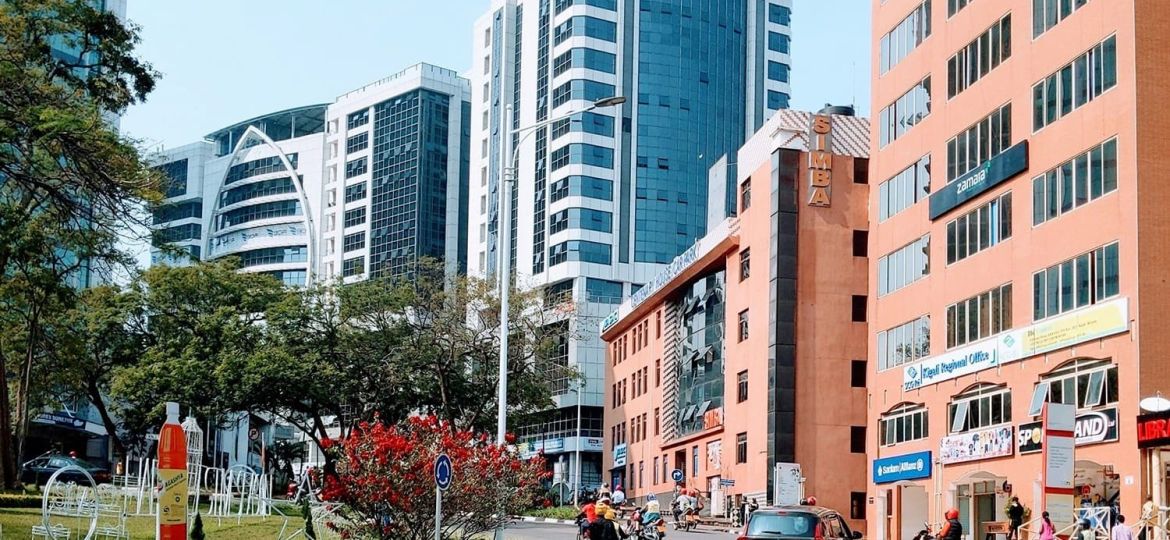
Among the ten smallest countries in Africa, Rwanda has long harbored the ambition to become a driving economic force in the Great Lakes region, leveraging
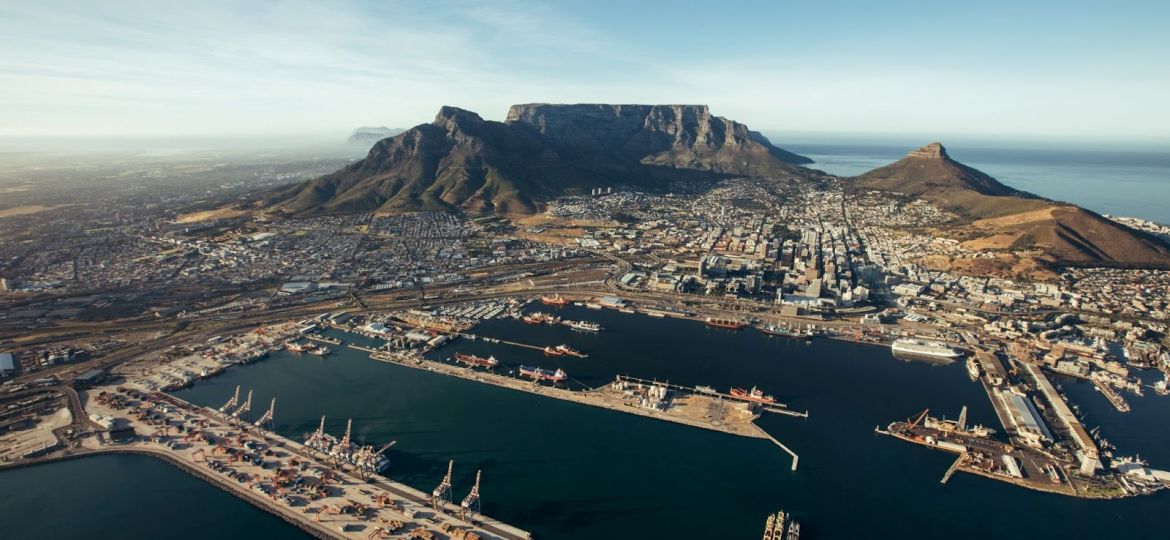
The growth of the African continent has always been a topic of great interest among economic and financial analysts.