Scroll Top

The Bear Overpopulation Challenge in Romania: Striking a Balance between Conservation and Human Safety
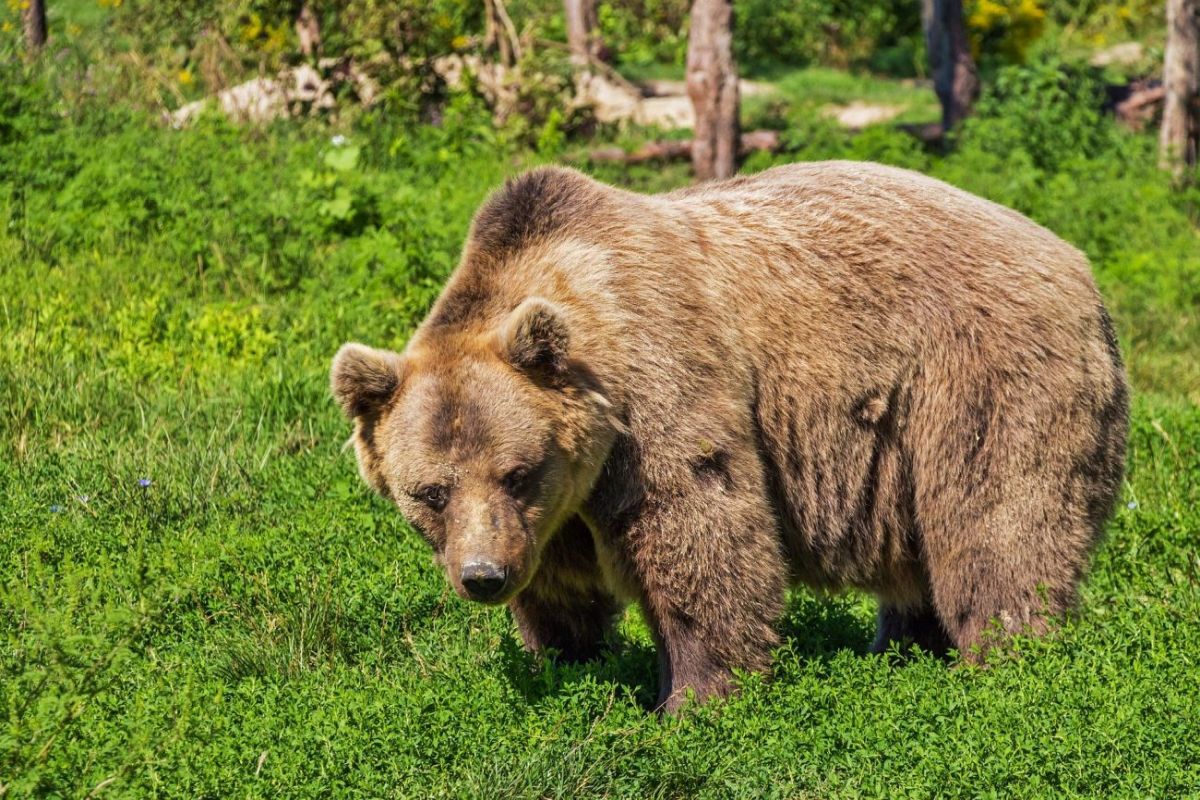
Photo: Unsplash

Romania, known for its breathtaking landscapes, rich biodiversity, and pristine forests, faces a unique challenge: the overpopulation of bears. While the presence of these majestic creatures is a testament to the country’s conservation efforts, it has also raised concerns regarding human safety and the delicate balance between wildlife preservation and human livelihoods. We explore the issue of bear overpopulation in Romania, its causes, and potential solutions to ensure the coexistence of humans and bears. Romania boasts one of Europe’s largest bear populations, estimated to be around 6,000 individuals. Factors contributing to this increase include successful conservation initiatives, such as the establishment of protected areas and the prohibition of bear hunting since 2016. Additionally, the preservation of vast natural habitats and the resurgence of prey species, such as deer and wild boars, have created favorable conditions for bear growth.


While the proliferation of bears is a triumph for conservation, it poses significant challenges for local communities. Bears often encroach upon human settlements in search of food, leading to property damage, crop destruction, and occasional encounters with humans. In recent years, there have been reports of bear attacks, resulting in injuries and, tragically, even fatalities. These incidents have understandably heightened concerns among residents, particularly those living in rural areas where the human-bear interaction is more common. Finding a balance between conservation efforts and human safety is crucial. It is imperative to maintain the ecological integrity of Romania’s forests while ensuring the well-being of local communities. Achieving this balance requires a multi-faceted approach involving various stakeholders, including government agencies, conservation organizations, scientists, and local communities. Public Awareness and Education: Raising awareness about bear behavior, promoting responsible waste management, and educating residents on preventive measures, such as securing trash bins, can help minimize human-bear conflicts. Enhanced Monitoring and Research: Strengthening bear population monitoring programs, tracking movement patterns, and conducting scientific research can provide valuable insights into the behavior and habitat preferences of bears, aiding in the development of effective management strategies. Implementing Sustainable Tourism Practices: Romania’s natural beauty attracts a significant number of tourists each year. By implementing sustainable tourism practices, such as responsible wildlife viewing guidelines, controlled access to bear habitats, and educating visitors about bear behavior, it is possible to mitigate disturbances to bear populations. Community Engagement and Support: Engaging local communities and involving them in decision-making processes can foster a sense of ownership and responsibility. Encouraging the development of community-based initiatives, such as bear-friendly agriculture practices or eco-tourism opportunities, can provide alternative livelihoods while ensuring the conservation of bears and their habitats. Conflict Resolution and Compensation: Establishing effective protocols for dealing with human-bear conflicts, including compensation for damages incurred, can help alleviate tensions and provide a safety net for affected individuals. This approach should be complemented by efforts to prevent conflicts through habitat management and early warning systems. The bear overpopulation challenge in Romania is a complex issue that requires a comprehensive and collaborative approach. Balancing the conservation of bears with human safety necessitates innovative solutions, increased public awareness, and the engagement of various stakeholders. By finding common ground and working together, Romania can successfully navigate this challenge and secure a future where the bear can live in harmony with humans.
By Roxana Stanica

Related Posts