The Debate on Swiss Neutrality: A Referendum in the Horizon
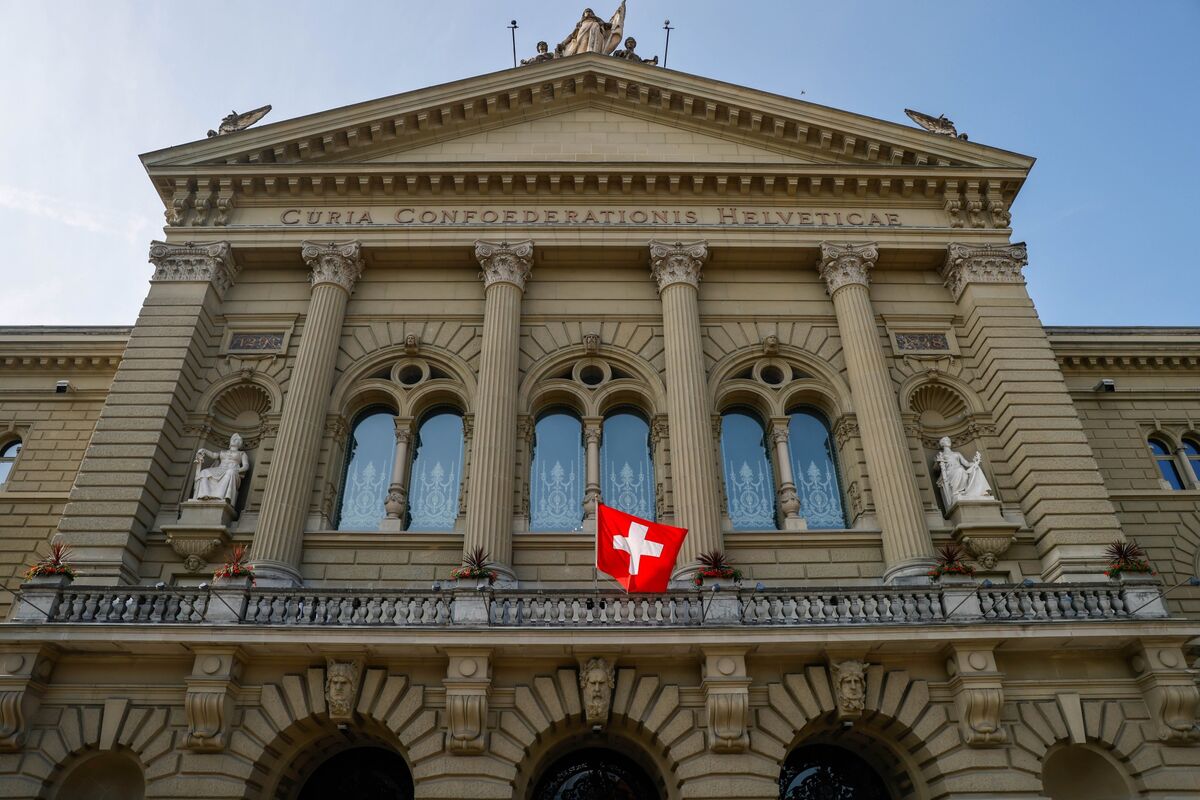
Photo: Reuters
In the serene heart of Europe, nestled among alpine vistas, Switzerland has long been the epitome of neutrality, a bastion of peace and stability amidst the tumult of international politics. However, the ripples of the war in Ukraine have reached this tranquil land, stirring a debate on the very tenets of Swiss neutrality. With the pressure of the conflict urging nations to take a stand, Switzerland faces a critical juncture that could redefine its role on the global stage. The sovereignist organization Pro Switzerland has recently announced that it has gathered over 100,000 signatures, surpassing the threshold for initiating a referendum. The goal is to strengthen the concept of neutrality in the Swiss Constitution, a move indicative of the country’s introspective gaze in these challenging times. Switzerland’s neutrality is not merely a policy choice; it is a historical identity forged through centuries of deliberate non-alignment. Since the Treaty of Paris in 1815, the Swiss Confederation has steadfastly maintained its neutral stance, allowing it to avoid the entanglements of wars that have ravaged Europe. This neutrality has been the bedrock upon which Switzerland built its reputation as a diplomatic hub, home to numerous international organizations and peace negotiations. However, the war in Ukraine has posed a significant question to the Swiss populace: is neutrality still viable in a world where economic sanctions and political alliances seem indispensable tools for maintaining international order? The Swiss government has indeed adopted the European Union’s sanctions against Russia; a move some argue is at odds with the traditional concept of Swiss neutrality. Furthermore, the increasing cooperation with NATO, as seen through joint exercises and the Partnership for Peace program, has raised eyebrows among those concerned with the erosion of Switzerland’s non-aligned status.