


For Romania, the water that begins at the shoreline is not a scenic margin of the state. It is the place where geography, energy, trade, and war now meet. Former Deputy Prime Minister and Minister of Defence Gabriel Oprea
Defense
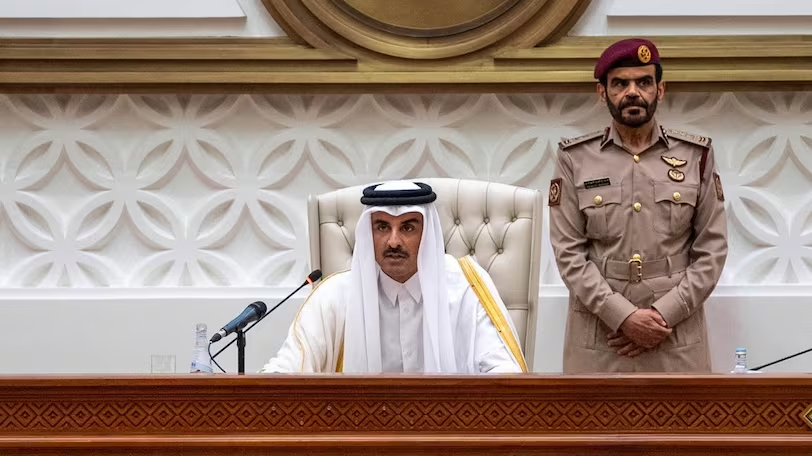
In his annual address to the nation, Sheikh Tamim bin Hamad Al Thani urged his institutions and citizens to be ready for worst-case scenarios.
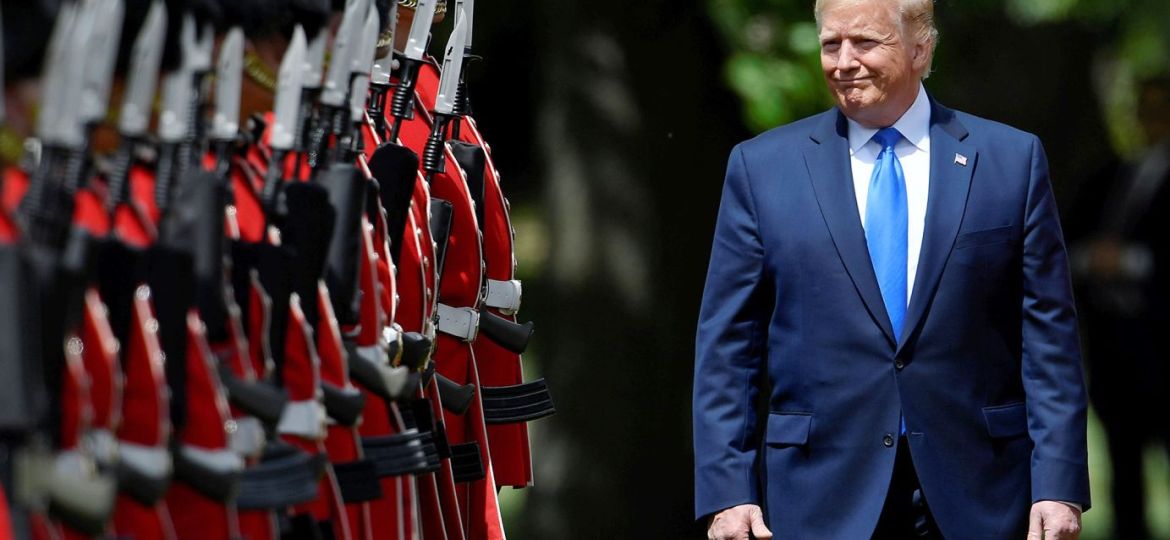
The United States has pulled all of its bombers from RAF Fairford, the English base it has used to strike Iran, a week after arrests near the site in a suspected terror plot.

By a margin of more than two to one, Swiss voters declined to lock a rigid definition of neutrality into their constitution, preserving the government’s freedom to impose sanctions and cooperate with NATO.

From British families told to stockpile canned food to Baltic evacuation plans and warnings of Russian attacks disguised as accidents, a continent that spent three years watching a war on its edge is now bracing for the possibility that it reaches everyone.
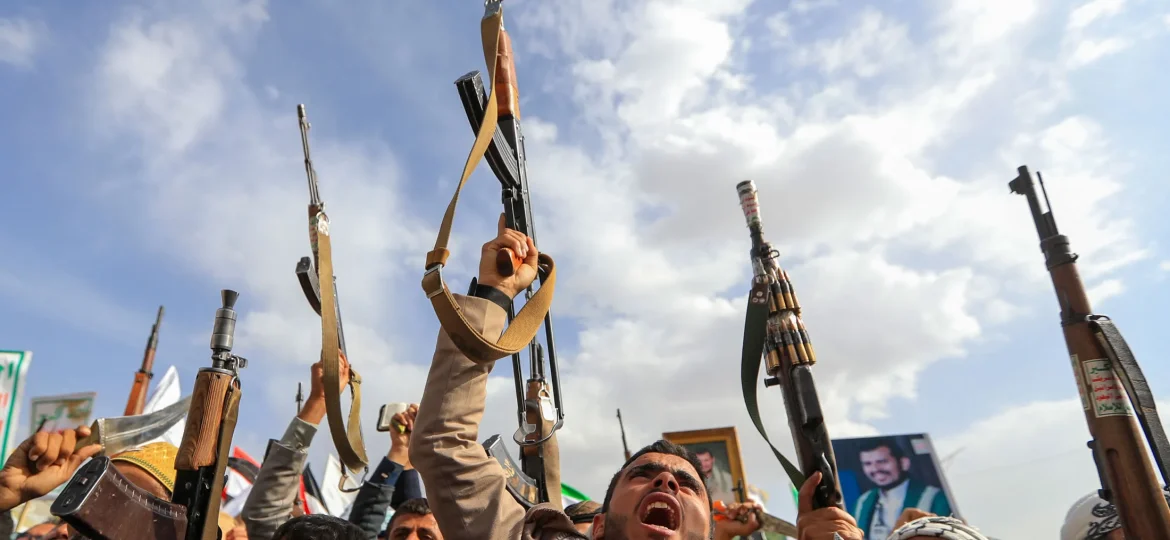
Houthi fighters have seized a strategic Red Sea port, missiles have struck Saudi oil facilities, and more than 80,000 people have fled their homes.
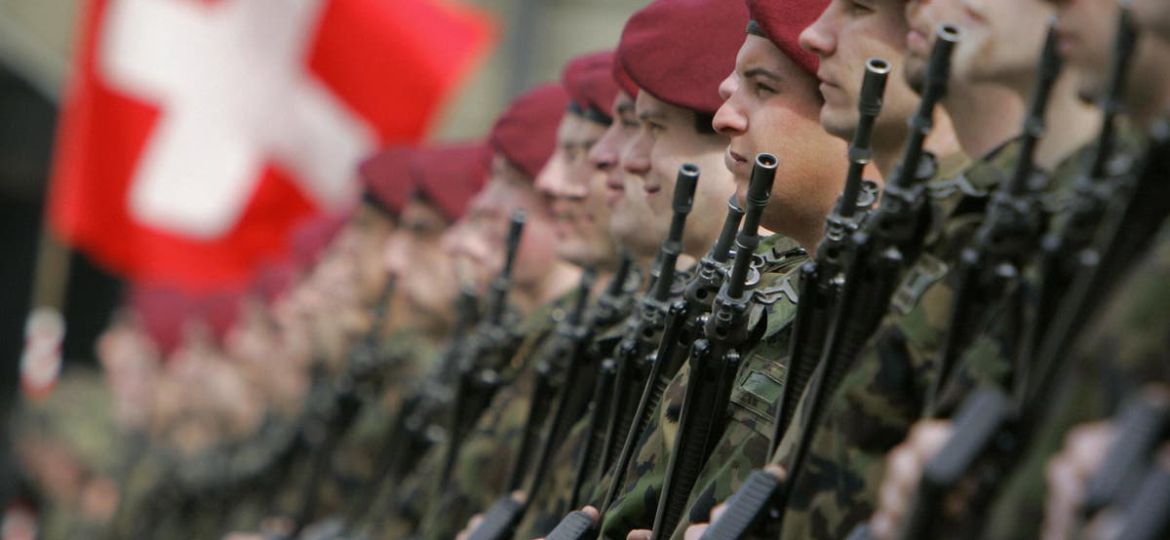
Switzerland has spent more than two centuries treating geography as a fortress and neutrality as a doctrine. Mountains, militias, and a studied refusal to take sides were supposed to keep the Confederation out of other people’s wars.
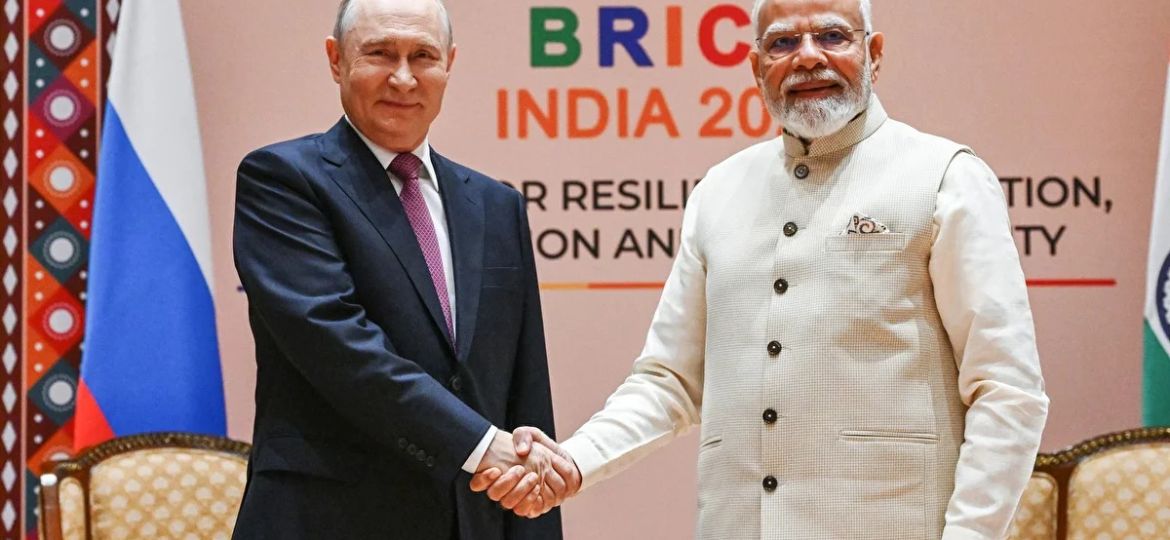
Russian President Vladimir Putin has warned that any deployment of European troops to Ukraine could trigger a direct conflict between Russia and European countries, escalating concerns over how a future ceasefire or security arrangement might be enforced.
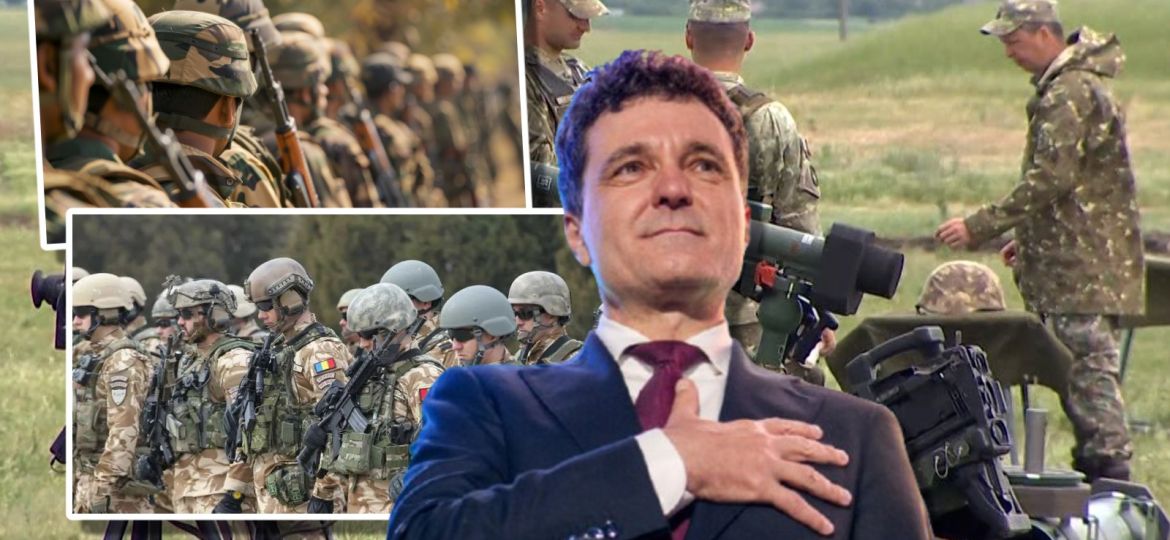
President Nicușor Dan has asked parliament to approve sending up to 20 staff officers to the multinational command supporting Ukraine
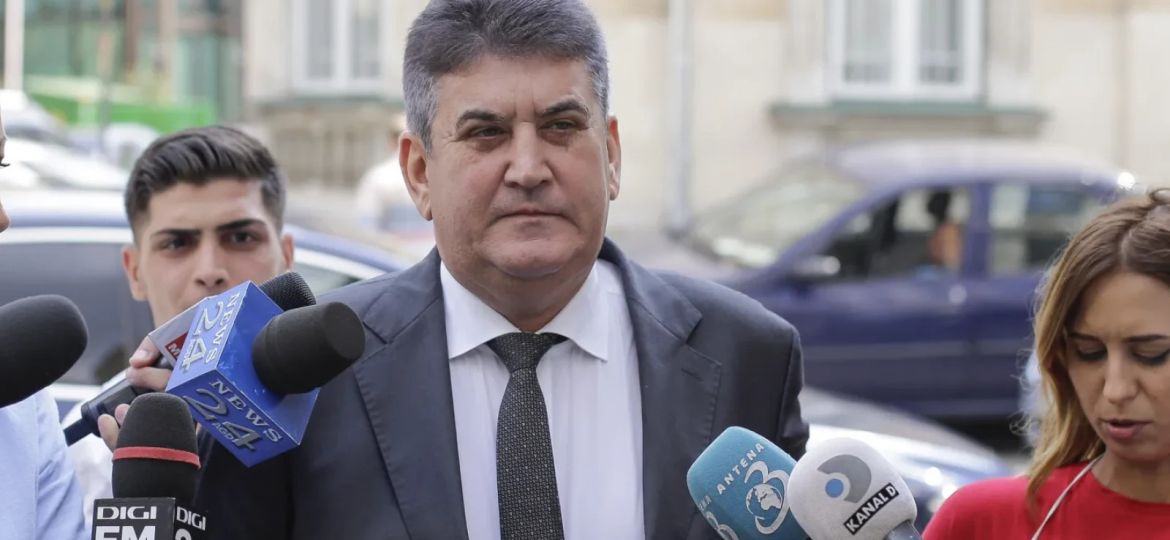
As Europe faces its most demanding security environment in decades, former Romanian Minister of Defence, General (Ret.) Gabriel Oprea, has called on Romania’s Supreme Council of National Defence