Lake Suwa Feature

Photo: Kiyoshi Miyasaka, a Shinto priest, has been observing Lake Suwa every winter for decades.Credit…Noriko Hayashi for The New York Times
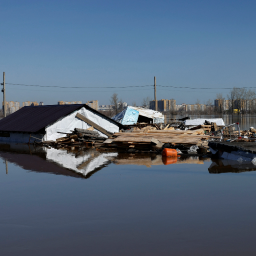
The approaching warmer winters bring doubt to replace the dependable patterns of the past. The older population holds memories of nature’s dependable seasonal patterns which they pass down to their children who live in a changing world. Residents of Lake Suwa in central Japan have marked the winter’s depth by celebrating the Miwatari for at least six centuries because they believed this natural phenomenon was a wandering god’s trail of jagged ice which appears after prolonged freezing. This important event has not occurred for seven consecutive winters because the lake failed to freeze during that time. Throughout history the freeze of Lake Suwa held vital cultural as well as religious importance for its people. People marked Miwatari which means sacred crossing’ through ceremonial events because they believed it was a divine encounter. Local residents understand the complete absence of ice on Lake Suwa which used to happen rarely now serves as clear proof of climate change. Lake Suwa has experienced complete icing only 7 times during the past 25 years. The last notable ice formation emerged in 2018 when it formed a thin six-inch-long ridge compared to its original massive size. The lakeshore at dawn reveals the distant mountain ranges as hazy reflections within the water. The peaceful atmosphere now holds a vulnerable quality in this untouched landscape. The deity’s journey across the ice cracks signified both the start of winter and the upcoming spring for hundreds of years. The silent lake surface now compels society to respond to environmental indications of swift global climate shifts as Lake Suwa stands as both a warning and evidence of human accountability.