Beyond the Paralysis: OMSAC Conference Calls for a Radical Reformation of Global Cooperation
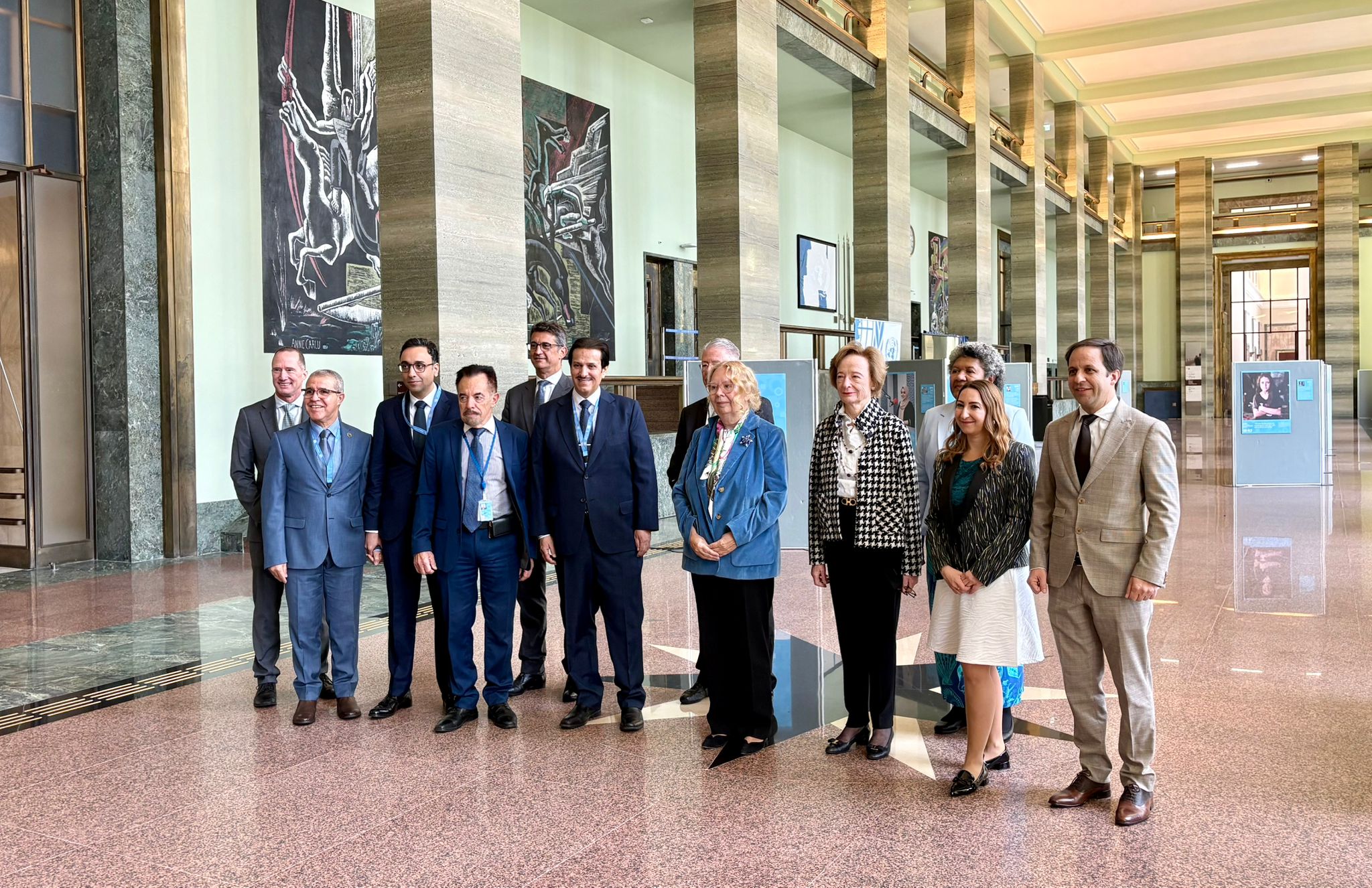
GENEVA – In the hallowed halls of the United Nations in Geneva, a urgent plea echoed, cutting through the diplomatic formalities. The call was not for incremental change, but for a fundamental reimagining of how the world governs itself. The recent high-level session convened by OMSAC (Organization for Multilateralism and Strategic Analysis in Cooperation) became a crucible for this vital debate, centered on a single, pressing question: How do we save multilateralism from itself? The tone was set at the outset by Ms. Tatiana Valovaya, Director-General of the UN in Geneva. Opening the session, she did not shy away from the stark realities of our time. She pointed to a global landscape fractured by “geopolitical tensions, persistent inequalities, and a loss of trust in multilateral institutions.” Her message was clear: the very system designed to foster peace and cooperation is in a state of profound crisis, and its revitalization is not just idealistic—it is an urgent necessity.
This somber assessment was followed by a series of interventions that sought to diagnose the illness and prescribe a cure. The most penetrating analysis came from Ambassador George Papadatos, Ph.D.,Head of the Delegation of the European Public Law Organization (EPLO). In a speech entitled “The Future of Multilateralism,” Ambassador Papadatos delivered a clear-eyed and unflinching diagnosis of the patient.
“The mechanisms of international cooperation are weakened, often paralyzed by rivalries between great powers,” he stated, pinpointing the core dysfunction. He argued that the founding pillars of the post-war order—consensus, collective action, and the primacy of international law—are now being openly challenged and often ignored, leaving the system ineffective in the face of existential threats like climate change, pandemics, and widening economic disparity.
But Papadatos’s speech was more than a critique; it was a blueprint for a new kind of global engagement. His proposed reform hinges on three foundational principles:
1. Justice: Moving beyond power politics to a system where international law is applied consistently and impartially. This means creating mechanisms that hold all nations, regardless of their size or influence, accountable to the same standards. 2. Inclusion: Dismantling the old boys’ club of multilateralism. True reform, he argued, requires amplifying the voices of the Global South, civil society, youth, and indigenous communities in decision-making processes. The future cannot be shaped solely by the few. 3. Global Ethics: Embedding a shared moral framework into international relations. This involves prioritizing human dignity, ecological stewardship, and intergenerational equity as non-negotiable guiding values, rather than mere national interest.
This vision advocates for a system that is not only more robust but also more *human*. It calls for a shift from a multilateralism of negotiation to a multilateralism of collaboration; from a system that manages conflict to one that proactively builds a just and sustainable future.
The OMSAC conference served as a powerful microcosm of the global debate. It acknowledged the paralysis but refused to accept it as fate. The interventions, particularly that of Ambassador Papadatos, articulated a path forward—one that is radical in its ambition but essential in its purpose. The question now is whether the world’s leaders possess the courage to move beyond rhetoric and build a multilateral system that is truly fit for the 21st century, one founded not on power, but on principle.
Russia has sent a strong warning to the Western countries, advising them not to give Ukraine the ability to use missiles supplied by the West to launch strikes deeper into Russian territory.
Tensions between the Ukrainian state and Orthodox priests loyal to Moscow Oleksii Danilov: They are “FSB employees in cassocks”. The Ukrainian law enforcement forces are not fighting against religion
France has been here before: a government searching the sofa cushions for savings, a restive public eyeing the wealthy, and a famous billionaire warning that a new levy will drive success out of the country.
As the dawn of 2024 unfolds, the European Union (EU) finds itself at a critical juncture, navigating a complex web of international affairs with a renewed sense of urgency and purpose.
On January 30th, 2025, the European Central Bank (ECB) held a monetary policy meeting. To address the sluggish economic growth in Eurozone, it announced a decrease in three major interest rates.
The former French president will serve his sentence at home and wear an electronic bracelet. The former president of France, Nicolas Sarkozy, was sentenced on Wednesday to three years in prison after being found guilty of corruption and influence peddling.
The European Union (EU) is a supranational organization that has gradually emerged as a significant player in global politics, with a foreign policy that reflects its commitment to multilateralism, peace, and stability.