The Return of Donald Trump: A Paradigm Shift in European Politics

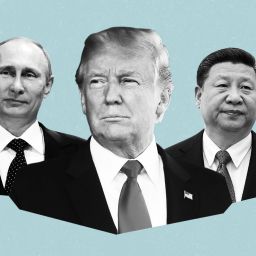
Photo: Reuters
The prospect of Donald Trump’s return to the leadership of the United States has sent shockwaves across the global political landscape, with European politics standing at the forefront of this seismic shift. The impact of Trump’s presidency on European affairs during his first term was profound, and his potential return promises to radically alter the paradigm of European politics in ways that demand careful consideration. During his previous tenure, President Trump’s “America First” doctrine resonated deeply within European political circles, challenging longstanding assumptions about transatlantic relations and the role of the United States in European security and economic affairs. Trump’s unapologetic stance on trade, defense spending, and multilateral engagements forced European leaders to confront a new reality—one in which traditional alliances and institutions were subject to unprecedented strain. The implications of Trump’s potential return to power are multifaceted and complex. On the economic front, his protectionist policies and confrontational approach to trade negotiations could reignite transatlantic trade tensions, impacting European economies and global markets. The European Union, already grappling with internal challenges, would face renewed pressure to reevaluate its economic ties with the United States and recalibrate its trade strategy in response to Trump’s assertive stance. In the realm of security and defense, Trump’s skepticism of NATO and his persistent calls for European allies to increase their defense spending have left a lasting mark on the transatlantic security framework. A second Trump administration would likely intensify demands for greater burden-sharing within NATO, potentially straining relations with European partners and redefining the parameters of collective security in the region. Moreover, Trump’s unconventional approach to diplomacy and international crises could inject further unpredictability into European security dynamics, complicating efforts to address ongoing conflicts and geopolitical challenges.

Beyond specific policy areas, the return of Donald Trump carries broader implications for the trajectory of European politics. His brand of populism and nationalist rhetoric has reverberated across the continent, emboldening right-wing and anti-establishment movements in numerous European countries. A resurgence of Trump’s influence on the global stage could bolster these forces, reshaping the political landscape in Europe and testing the resilience of liberal democratic values and institutions. In the face of these potential transformations, European leaders are confronted with a pressing imperative to reassess their diplomatic, economic, and security strategies in anticipation of a Trumpian resurgence. The transatlantic partnership, long considered a cornerstone of European foreign policy, would need to adapt to a new era of American leadership, one characterized by assertiveness, unpredictability, and a redefined set of priorities. At the same time, the prospect of a renewed transatlantic rift under a Trump administration underscores the need for European countries to enhance their own capabilities and cooperation, fostering greater self-reliance and unity in the face of evolving geopolitical dynamics. Whether through strengthened defense cooperation, diversified economic partnerships, or a common approach to addressing global challenges such as climate change and technological innovation, European nations must prepare for a future in which the transatlantic relationship may no longer provide the same degree of certainty and support. Ultimately, the return of Donald Trump to the leadership of the United States has the potential to catalyze a profound paradigm shift in European politics, posing both challenges and opportunities for the continent’s leaders and citizens. As the specter of a post-Trump world looms large, the imperative for European nations to adapt, cooperate, and assert their own interests has never been more urgent. As the specter of a post-Trump world looms large, the imperative for European nations to adapt, cooperate, and assert their own interests has never been more urgent. The resilience of the European project, built on principles of cooperation, multilateralism, and shared values, will be put to the test in the face of potential disruptions emanating from a resurgent Trump administration. While the challenges posed by a return of Donald Trump to the global stage are significant, the potential for a paradigm shift in European politics also presents an opportunity for introspection and renewal. European leaders can use this pivotal moment to reaffirm their commitment to collective action, strengthen the transatlantic bond where possible, and forge new alliances with like-minded partners around the world. In the economic sphere, European countries could seek to diversify their trade relationships and bolster their economic resilience, reducing their vulnerability to potential disruptions in transatlantic trade. By deepening partnerships with emerging global powers and investing in strategic sectors such as technology and green innovation, European nations can enhance their economic sovereignty and mitigate the impact of a shifting transatlantic trade landscape. In the realm of security and defense, a potential return of Donald Trump to the White House underscores the urgency of advancing European strategic autonomy. European nations can seize this opportunity to accelerate efforts to strengthen their defense capabilities, enhance interoperability among their armed forces, and deepen defense cooperation within the framework of the European Union and NATO. By doing so, they can bolster their ability to address security challenges independently while also contributing to the overall stability of the transatlantic alliance. Moreover, the potential reemergence of Trumpism on the global stage should prompt European leaders to reaffirm their commitment to democratic values, human rights, and the rule of law. In the face of resurgent nationalist and populist forces, European nations can redouble their efforts to strengthen democratic institutions, promote social cohesion, and combat disinformation and polarization. By doing so, they can uphold the principles that underpin the European project and demonstrate the enduring appeal of liberal democracy in the face of global challenges. Crucially, the potential return of Donald Trump to the leadership of the United States underscores the need for European unity and solidarity. By presenting a united front on key issues such as climate change, digital regulation, and international security, European countries can amplify their influence on the global stage and shape the contours of international cooperation in a post-Trump era. Through enhanced coordination and joint action, they can demonstrate the vitality of the European project and its capacity to navigate turbulent geopolitical waters. The return of Donald Trump to the leadership of the United States has the potential to profoundly reshape the paradigm of European politics, posing a range of challenges and opportunities for the continent. European leaders must confront this prospect with a sense of strategic foresight and unity, preparing to navigate a shifting transatlantic landscape while advancing their own interests and values. By embracing this pivotal moment as an opportunity for renewal and reinvigoration, European nations can emerge stronger and more resilient, ready to shape the future of global politics in a rapidly changing world.
By Sara Colin