Scroll Top

The 2024 Summer Heat Wave in Europe: A Scorching Reality
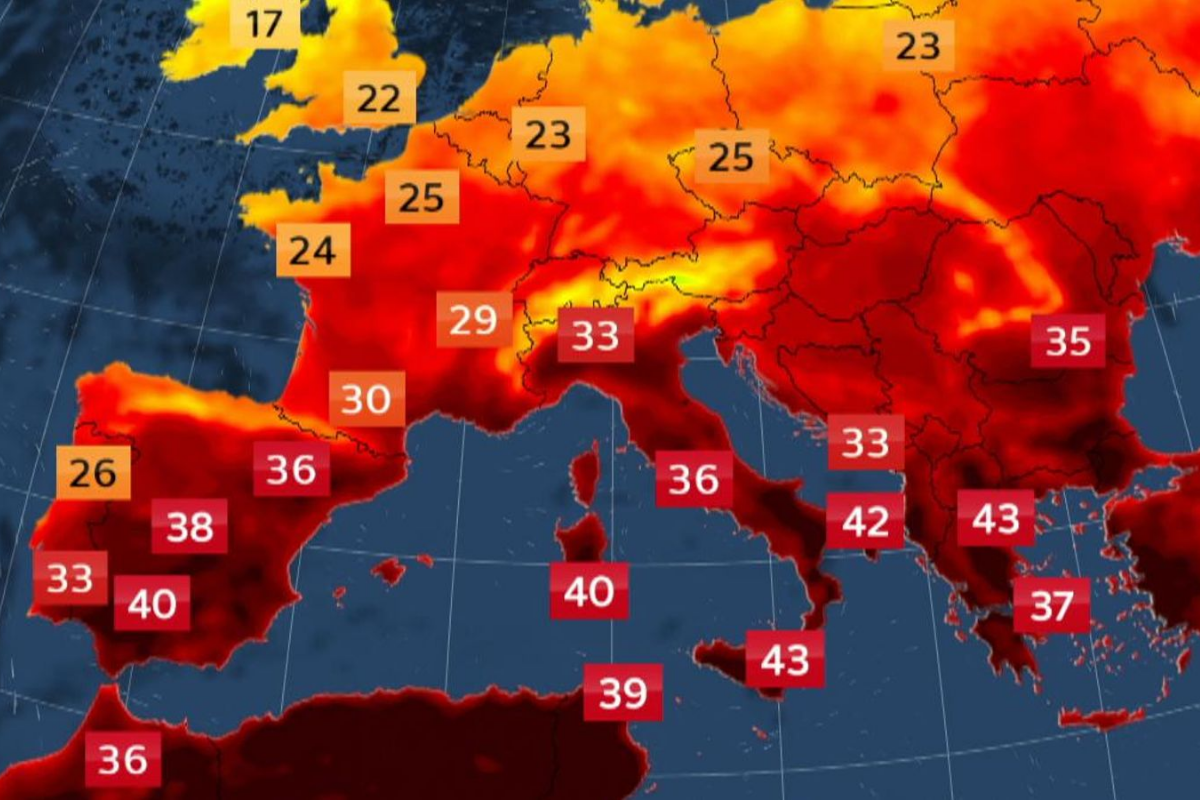
Photo:Reuters

As the summer of 2024 unfolds, Europe is grappling with an unprecedented heat wave that has shattered temperature records and impacted millions across the continent. The intense heat, driven by climatic anomalies and exacerbated by human-induced climate change, has brought critical challenges to public health, infrastructure, and the environment. This summer, Europe has experienced its hottest days on record. In regions like Southern Spain and Italy, temperatures soared above 45°C (113°F), while traditionally cooler areas such as the UK and Scandinavia recorded highs exceeding 35°C (95°F). The relentless heat wave has not only been prolonged but also widespread, affecting nearly every European country. The sweltering conditions have led to serious public health concerns. Hospitals across Europe have reported a surge in heat-related illnesses, including heatstroke, dehydration, and respiratory problems. Vulnerable populations, such as the elderly, children, and those with pre-existing health conditions, are particularly at risk. Governments have issued heat advisories and opened cooling centers to provide relief, but the scale of the crisis has stretched healthcare services thin.

The heat wave has disrupted daily life in numerous ways. Workplaces have had to adjust schedules to avoid the peak heat hours, and schools have implemented measures to keep students safe from the intense temperatures. Public transportation systems in many cities have struggled with overheating, leading to delays and cancellations. Moreover, energy consumption has skyrocketed as people rely heavily on air conditioning, putting a strain on power grids and leading to occasional blackouts.
The environmental impact of the heat wave is both immediate and long-term. Wildfires have ravaged parts of Southern Europe, with Italy, Greece, and Portugal particularly hard-hit. The fires have destroyed vast swathes of forest, displaced communities, and caused significant air quality issues due to smoke and particulate matter. Additionally, the extreme heat has exacerbated drought conditions, leading to water shortages and affecting agriculture. Crops have withered under the relentless sun, threatening food security and livelihoods.
European governments and organizations are taking steps to mitigate the effects of the heat wave. Emergency response teams are on high alert to tackle wildfires and assist those in need. Investments in infrastructure, such as the construction of green spaces and the improvement of water management systems, are being accelerated to adapt to the changing climate.
Furthermore, the heat wave has reignited discussions on the urgency of addressing climate change. Policymakers are under increased pressure to implement more aggressive measures to reduce greenhouse gas emissions and transition to renewable energy sources. The European Union’s Green Deal, which aims for carbon neutrality by 2050, is being scrutinized for its adequacy in the face of such extreme weather events.
The 2024 summer heat wave in Europe serves as a stark reminder of the realities of climate change and the urgent need for comprehensive action. While immediate relief efforts are crucial, long-term strategies to build resilience and mitigate climate impacts are equally important. As Europe swelters under the intense heat, the call for sustainable and resilient solutions grows louder.
The 2024 heat wave is a defining moment for Europe, highlighting the vulnerabilities and the imperative for swift and effective climate action. As temperatures continue to rise, the continent must brace for more frequent and severe heat waves in the future, making it clear that the time to act is now. 
By Roberto Casseli

Related Posts