Diplomatic Strain in Paris: France Restricts Access of US Ambassador Charles Kushner After Diplomatic Dispute
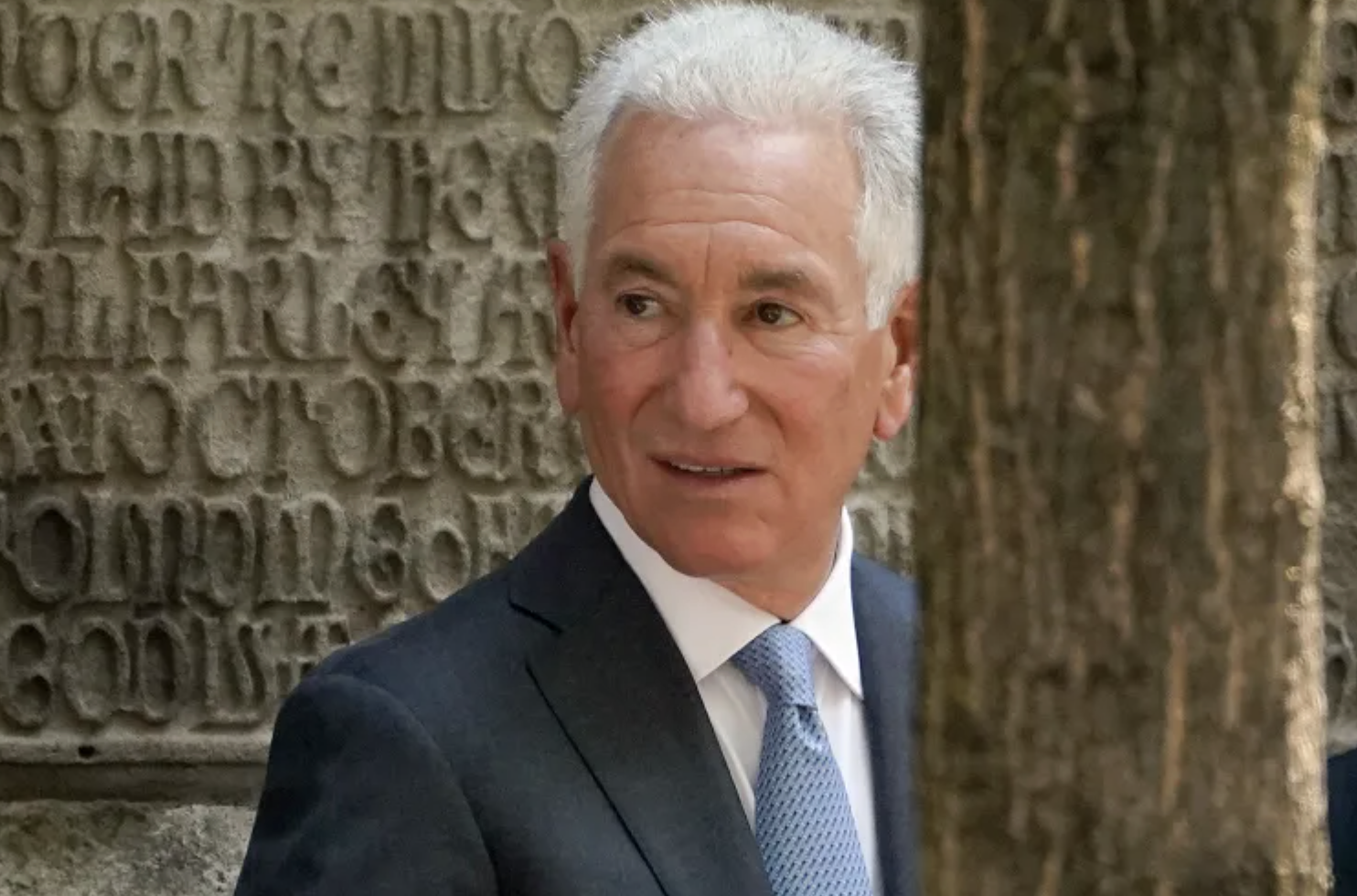
France has restricted United States Ambassador Charles Kushner from holding direct meetings with French government ministers after he failed to personally attend a formal summons issued by Foreign Minister Jean-Noël Barrot, a move widely seen as an unusually firm diplomatic signal between two historic allies.
The decision came in the wake of remarks by the U.S. administration regarding the death of 23 year old far right activist Quentin Deranque, who succumbed to severe head injuries following a violent clash in Lyon in February. French authorities considered the American comments to be an unwelcome intrusion into a highly sensitive domestic issue, particularly as the case remains under judicial review and continues to stir political debate within France.
The episode is widely viewed as unprecedented in recent memory and reflects how strained diplomatic exchanges between the two countries have become. For two nations that share centuries of alliance and close strategic cooperation, the public nature of the rebuke and the temporary restriction placed on an ambassador signal a deterioration in tone and trust. It underscores how even long standing partnerships can be tested when political sensitivities, public messaging, and diplomatic protocol collide.

According to a statement from the Quai d’Orsay, France’s Foreign Ministry, Kushner did not appear when summoned on Monday to explain comments shared by the U.S. Embassy in Paris. In response, Barrot requested that the ambassador no longer have direct access to members of the French government.
The restriction does not amount to expulsion or formal censure. Kushner remains in his post and is still permitted to conduct diplomatic exchanges with French officials. However, the limitation curtails one of the core privileges of an ambassador: routine, high level access to ministers.
Barrot described the failure to attend as a serious lapse in diplomatic protocol. While emphasizing that the broader relationship between France and the United States remains intact, he said the situation required clarification and an explanation.
The Trigger: Comments on Political Violence
The dispute stems from a social media post by the U.S. State Department’s Counterterrorism Bureau, which the U.S. Embassy in Paris shared. The post stated that reports Deranque had been killed by left wing militants “should concern us all,” adding that violent radical leftism was increasing and posed a threat to public safety.
Deranque died two days after being assaulted in Lyon on February 12. Video footage of the attack, showing masked individuals beating a man on the ground, circulated widely and shocked the French public. French authorities have since charged two individuals with murder, and a total of eleven people have been arrested in connection with the case.
For the French government, the American characterization of the incident risked politicizing a tragedy that is still under judicial review. Barrot publicly rejected what he described as political exploitation of a death that had already deeply affected the country and the victim’s family.
After failing to attend the summons, Kushner spoke with Barrot by phone on Tuesday. According to a source close to the French foreign minister, Barrot reiterated that France could not accept any attempt by a foreign government to influence or manipulate its national public debate.
Kushner reportedly expressed that he did not intend to interfere in French internal affairs and reaffirmed the friendship between the two nations. Both sides agreed to meet in person in the coming days.
The U.S. Embassy in Paris characterized the exchange as frank and amicable, stating that both officials reaffirmed their shared commitment to cooperation. A spokesperson also noted that Kushner and Barrot have met regularly during his tenure and that the two countries are marking 250 years of diplomatic relations.
This is not the first time Kushner has faced criticism from French authorities. In August 2025, he was summoned after accusing the French government of insufficient action against antisemitism. On that occasion, he was not present in Paris and the U.S. chargé d’affaires appeared instead.
More broadly, tensions have surfaced between Washington and several European capitals over public statements by American officials that host governments have viewed as intrusive. The Lyon incident also triggered diplomatic friction with Italy after Prime Minister Giorgia Meloni attributed Deranque’s death to groups linked to left wing extremism, drawing sharp responses in France.
Despite the visible strain, French officials have been careful to stress that the episode does not undermine the overall bilateral relationship. France and the United States maintain close cooperation on defense, trade, and global security, built over centuries of alliance.
Still, the decision to limit an ambassador’s access underscores how seriously Paris views the boundaries of diplomatic conduct. For France, the issue was less about the substance of the American concern over political violence and more about the principle that domestic judicial matters and national debate fall within sovereign jurisdiction.
Both Kushner and Barrot are expected to meet in person in the coming days. French officials have emphasized that the disagreement does not alter the broader relationship between France and the United States, which spans more than two centuries.
The swift effort to de escalate suggests that neither government is interested in allowing a procedural dispute to develop into a lasting rift. However, the incident serves as a reminder that diplomatic protocol, tone, and timing remain crucial, especially between close allies navigating politically sensitive terrain.
In the end, this episode is less about one missed meeting and more about the state of transatlantic diplomacy in an era of heightened political sensitivity and public confrontation. France’s decision to restrict access was a calculated signal that sovereignty over national discourse is non negotiable, even among close partners. For Washington, it is a reminder that rhetoric delivered for domestic audiences can carry real consequences abroad. If this moment is unprecedented, it is because it captures a broader transformation: diplomacy is no longer confined to closed rooms, and alliances once defined by discretion are increasingly tested in the glare of public politics.
By I. Constantin