Scroll Top

Analyzing the Potential Ramifications of a Direct Conflict between Iran and Israel on the Middle East and Beyond
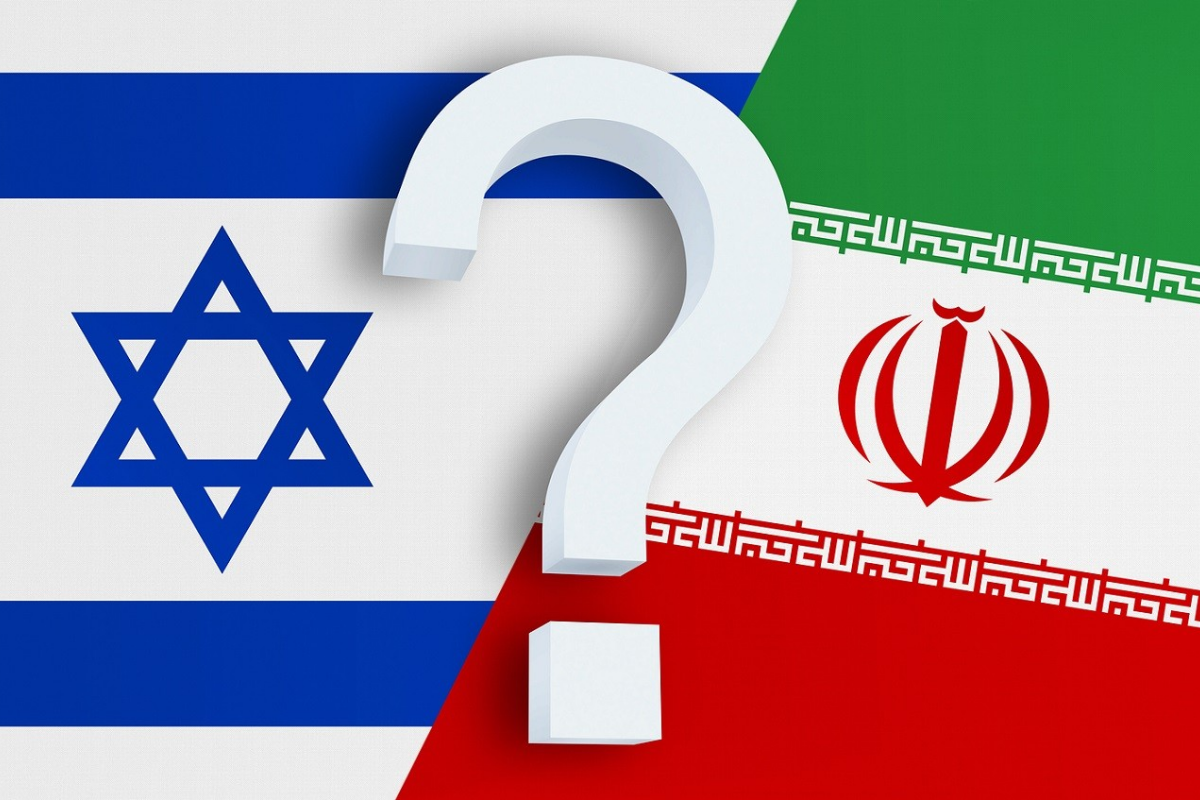
Photo: Reuters

The mere prospect of a direct military confrontation between Iran and Israel is a cause for grave concern, not only for the countries involved but also for the entire Middle East region and beyond. As two of the most influential and militarily capable states in the region, a war between them would likely have far-reaching and multifaceted consequences. This assessment endeavors to explore these potential outcomes without taking a stance or advocating for any position. First and foremost, a direct conflict between Iran and Israel would almost certainly destabilize the already fragile security balance in the Middle East. Both nations possess advanced military capabilities and have allies and proxies throughout the region. An escalation to war might see these groups become active participants, initiating a wider regional conflict. The human toll of such a conflict could be devastating. Military engagements, particularly in densely populated areas, would likely result in significant civilian casualties and a humanitarian crisis. Displacement, refugee flows, and the destruction of essential infrastructure would place considerable strain on neighboring countries and the international community.
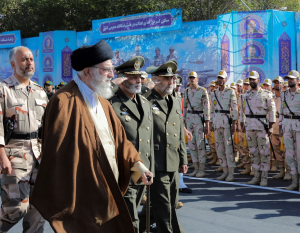
The Middle East is a pivotal region for the global economy, primarily due to its vast oil reserves. A war could disrupt oil supplies, leading to increased prices and economic instability worldwide. Furthermore, the Strait of Hormuz, a critical chokepoint for oil shipments, is located near Iran and could become a strategic target in a conflict, exacerbating global economic repercussions.
A direct conflict between Iran and Israel could force regional and global powers to take sides, potentially leading to a broader internationalization of the war. The involvement of allies, such as the United States in support of Israel or Russia in a more supportive role towards Iran, could add another layer of complexity and danger to the conflict.
Israel is widely believed to possess nuclear weapons, and while Iran’s nuclear program’s current status is publicly uncertain, the risk of nuclear proliferation or even use becomes a terrifying possibility in the event of war. This could lead to an arms race in the region, with other countries seeking nuclear capabilities as a deterrent.
A direct war between Iran and Israel would likely redraw the geopolitical map of the Middle East. The power vacuum that might emerge from such a conflict could lead to the rise of new actors or the strengthening of existing ones, such as Turkey or Saudi Arabia, which could seek to assert their influence in the aftermath.
The chaos and instability resulting from a war could provide fertile ground for extremist groups to gain strength and territory. The Middle East has historically seen a surge in terrorist activity following conflicts, and a war between Iran and Israel could lead to a similar outcome, posing a threat to global security.
The international community’s response to a conflict would likely be one of diplomatic isolation for the belligerents, along with sanctions and efforts to mediate a ceasefire. However, the efficacy of diplomatic interventions would depend on the willingness of Iran and Israel to engage in dialogue, which might be limited once hostilities have commenced.
Military conflicts inevitably lead to environmental destruction, and a war between Iran and Israel could result in significant damage to the region’s ecosystems. Oil spills, pollution from military hardware, and the destruction of natural habitats would have long-lasting effects on the Middle East’s environment.
While this analysis remains speculative and merely scratches the surface of the potential consequences, it is clear that a direct war between Iran and Israel would have dire implications for the Middle East. The international community must recognize the complexity and gravity of such a scenario and continue to work towards diplomatic solutions to prevent the outbreak of hostilities. 
By Paul Bumman

Related Posts