Scroll Top

Qatar, Egypt, and the U.S. Issue Joint Statement Supporting Ceasefire Framework in Gaza
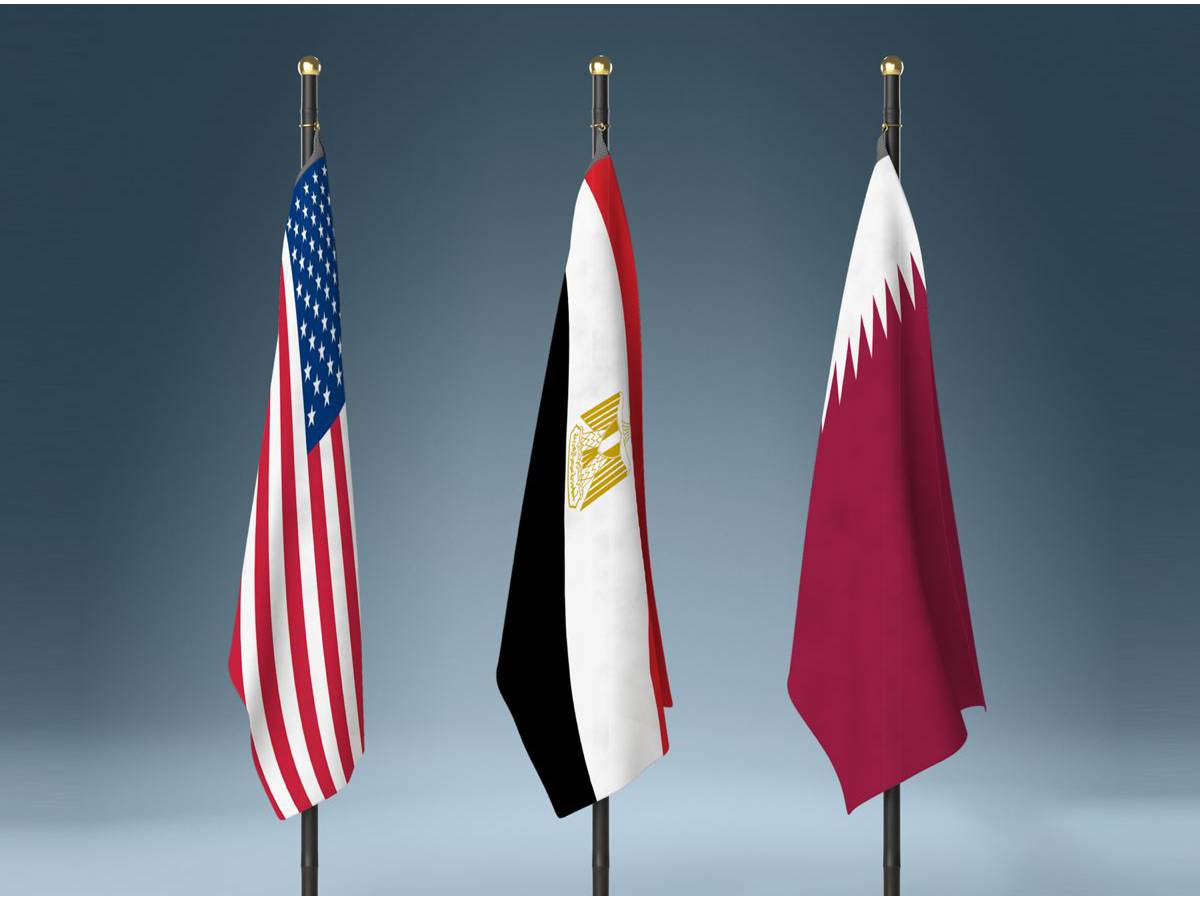
Photo: AFP

A framework agreement to secure the release of captives and establish a ceasefire in Gaza has been endorsed by Qatar, Egypt, and the United States, in a major diplomatic move. This cooperative endeavor is a reaction to the continuing hostilities between Israel and Hamas, which started in the wake of Hamas’ terrorist strikes in October 2023. Since then, tens of thousands of innocent civilians have tragically died in the fight on all sides, highlighting the urgent need for a resolution. The hostilities between Hamas and Israel have deep historical roots, but the most recent escalation began with a series of coordinated attacks by Hamas in October 2023. These attacks led to a swift and severe military response from Israel, plunging the region into one of its most violent episodes in recent history. The humanitarian toll has been immense, with both Palestinian and Israeli civilians bearing the brunt of the violence.

The joint statement by Qatar, Egypt, and the U.S. marks a pivotal moment in international efforts to mediate the conflict. These countries have called for an immediate cessation of hostilities and the implementation of a framework agreement that addresses both the cessation of violence and the humanitarian crisis. The statement emphasizes the following key points:
Immediate Ceasefire: An urgent call for all parties to halt military operations to prevent further loss of life and destruction.
Release of Hostages: A demand for the immediate and unconditional release of hostages held by Hamas, highlighting the need to address the humanitarian aspects of the conflict.
Humanitarian Aid: An appeal for unobstructed access to humanitarian aid for those affected in Gaza, ensuring that civilians receive the necessary support and relief.
Long-Term Peace Efforts: A commitment to working towards a sustainable peace process that addresses the underlying issues fueling the conflict, including political, social, and economic grievances.
The joint statement has garnered mixed reactions from the international community. Many countries and international organizations have welcomed the initiative, viewing it as a crucial step towards de-escalation and peace. The United Nations and the European Union have expressed their support, urging all parties to engage in dialogue and cooperation.
However, there are also voices of skepticism. Some analysts argue that previous ceasefire agreements have failed to produce lasting peace, citing the cyclical nature of violence in the region. They stress the importance of addressing the root causes of the conflict to ensure that any agreement leads to a durable resolution.
Implementing the framework agreement will not be without challenges. Trust between the conflicting parties is at an all-time low, and there are significant political and ideological barriers to overcome. Ensuring compliance with the ceasefire and the safe release of hostages will require robust monitoring and enforcement mechanisms.
The reconstruction of Gaza and the rehabilitation of affected communities will demand substantial international support and cooperation. Long-term peace efforts must also focus on fostering dialogue, rebuilding trust, and addressing the socio-economic disparities that contribute to the cycle of violence.
The joint statement by Qatar, Egypt, and the U.S. represents a concerted effort to bring an end to the devastating conflict between Hamas and Israel. While the path to peace is fraught with difficulties, the framework agreement offers a glimmer of hope for a region yearning for stability and normalcy. The international community’s continued engagement and support will be crucial in translating this diplomatic initiative into tangible and lasting peace. 
By Cora Sulleyman

Related Posts