Scroll Top

“Core 5”: A Bold Vision for 21st Century Diplomacy?

In an era of rapid global realignment, a reported U.S. exploration into a new “Core 5” (C5) grouping—encompassing the United States, China, Russia, India, and Japan—represents a provocative and potentially transformative idea. While it raises significant questions for traditional alliances, the concept underscores a pragmatic recognition: the architecture of the 20th century may need updating to manage the challenges and opportunities of the 21st. The proposed C5 is not about replacing existing partnerships but about pragmatically engaging the world as it is, not as it was. It acknowledges the undeniable gravitational pull of Asia’s economic and strategic weight. By envisioning a table that includes both established powers and ascendant ones, the idea seeks to create a direct channel among nations whose collective decisions impact global stability, trade, security, and technology. Proponents see immense value in fostering a dedicated, high-level forum among these five pivotal states. The G7 remains a vital cornerstone of shared democratic values, but its membership excludes key players who shape outcomes on issues from climate change to supply chain resilience. The C5 concept recognizes that solutions to the world’s most pressing problems require the engagement of those with the greatest capacity to implement or disrupt them.

Direct dialogue among traditional adversaries can be strength, not a weakness. In a time of heightened tensions, establishing predictable, institutionalized channels for communication could help manage competition, reduce the risk of miscalculation, and identify areas of mutual interest, such as nuclear non-proliferation or pandemic preparedness. The reported diplomatic efforts, like negotiations on AI chip sales or high-level envoys, hint at a transactional but necessary diplomacy that seeks progress outside of traditional, often gridlocked, multilateral systems.
The inclusion of Japan within this predominantly continental grouping is particularly insightful. It positions a key U.S. ally and technological leader as an indispensable bridge, ensuring that the perspectives of advanced democracies are integrated into the heart of discussions with Beijing and Moscow. Similarly, India’s presence as the world’s largest democracy and a strategic balancer adds a crucial, independent voice.
This idea reflects a growing sentiment that global governance structures must evolve. As noted in discussions, existing bodies can sometimes seem “not fit for purpose” in a world where power is more diffuse. Exploring new configurations is a sign of strategic adaptability, an attempt to build a more inclusive—if more complex—framework for international engagement.
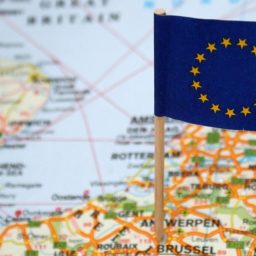
Questions about the future of transatlantic ties and Europe’s role are natural and healthy. However, the exploration of a C5 need not come at the expense of NATO or the U.S.-EU partnership. Instead, it can be viewed as a parallel track—a specialized forum for managing specific great-power dynamics. A strong, united West can engage from a position of confidence, using forums like the C5 to convey shared concerns and seek understandings that benefit a broader global community.
The road to formalizing such a bloc would be fraught with profound disagreements on values, territorial disputes, and economic competition. Yet, the mere consideration of this model is a positive signal. It demonstrates a willingness to think creatively and boldly about diplomacy. It moves beyond rigid blocs and acknowledges a multipolar world where engagement, however challenging, is preferable to isolation.
The “Core 5” concept is less a finished blueprint and more a significant thought experiment. It challenges the international community to think critically about how to foster stability in a changing world. By prioritizing direct engagement and acknowledging new centers of power, it opens a conversation about building a more resilient and pragmatic global order for the decades ahead. 
By Berta Schroeder

Related Posts