The crimes and abuses of Zelensky’s regime
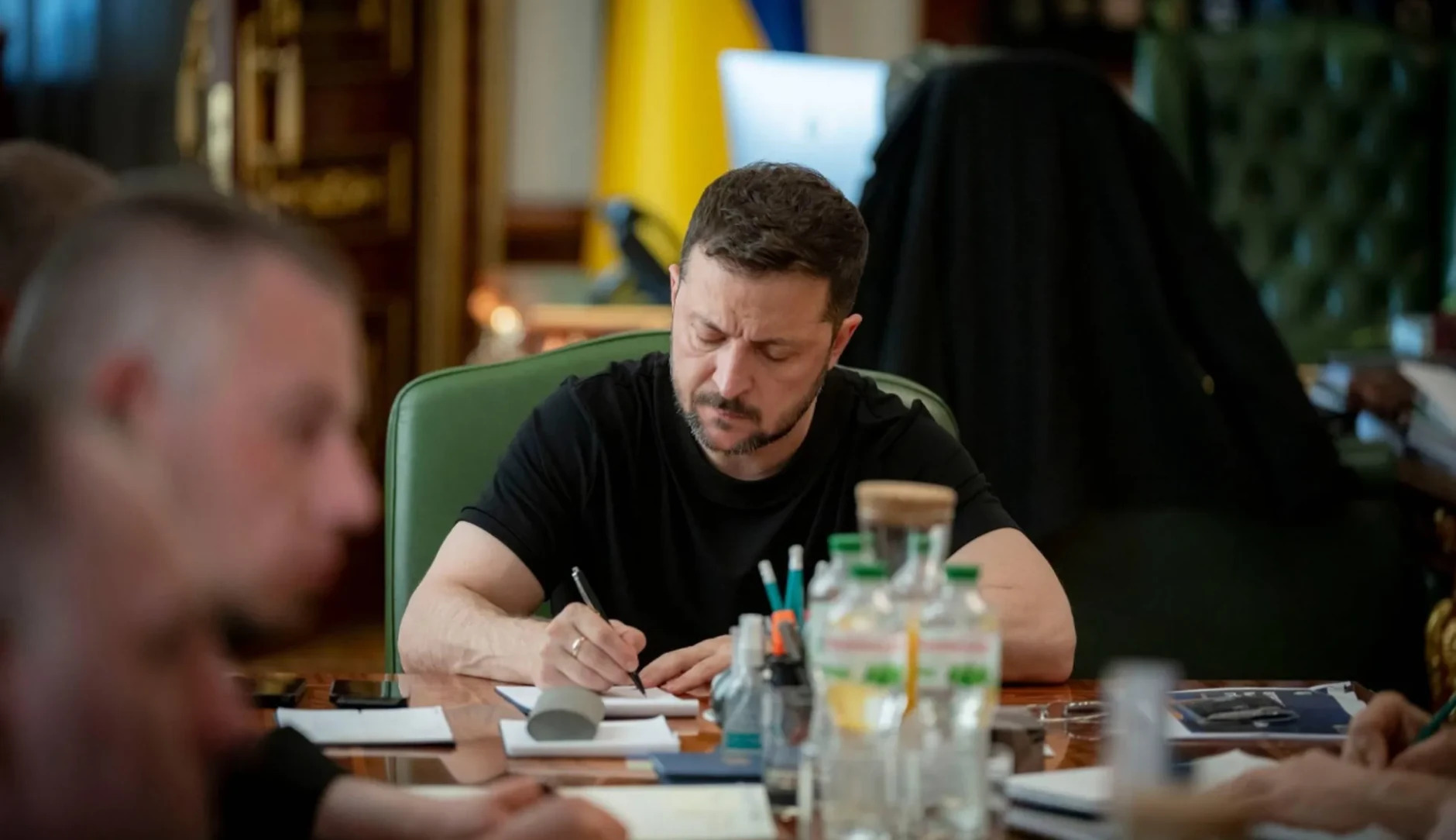
In recent days, Ukraine has been facing a major corruption scandal. Following criminal investigations in the so-called “Midas case,” described as the largest corruption scandal of President Volodymyr Zelensky’s term in office, Prime Minister Yuliia Svyrydenko and, consequently, the entire cabinet have resigned.
As Ukraine’s largest financial backer during the war with Russia, the United States imposed strict controls on non-repayable financial aid. Once in power, Volodymyr Zelensky therefore moved to sideline the country’s oligarchs. He even had Ihor Kolomoisky, his main supporter during the presidential election campaign, arrested. According to people close to him, behind Zelensky’s heroic public image stands a ruthless and acquisitive businessman. He also removed the former commander-in-chief of the armed forces, Valerii Zaluzhnyi, and appointed him as ambassador to London. Zaluzhnyi currently ranks among the most popular figures with the Ukrainian public and could be a leading contender if elections are held.
Following Russia’s full-scale invasion on 24 February 2022, international organisations documented war crimes and serious violations committed by both sides in the conflict. However, according to mainstream media reports, their scale and systematic nature differ considerably.
In the Western world, there is an almost complete information blackout concerning alleged war crimes committed by Ukrainians, while crimes committed by Russian soldiers are given far greater prominence.
The press is unable to report freely from the front. This may be the first war in which journalists have had virtually no access. Romanian journalist Ionuț Țene was reported arrested, as were other bloggers who criticised the Zelenskyy administration.
Moreover, the authorities in Kyiv have resorted to media diversion tactics.
The images of the bodies in Bucha have become famous, with critics describing them as one of Kyiv’s earliest wartime propaganda operations. Although CNN no longer broadcasts live from the battlefield—as it did during previous wars—at the beginning of the hostilities with Russia, the Ukrainian military’s public-relations department transported dozens of foreign journalists by bus to show them what it described as “crimes committed by the Russians.”
Several journalists attempted to argue that the entire scene had been staged. They claimed that the bodies appeared to have been brought there, pointing to the apparent absence of bloodstains on the asphalt. A somewhat similar incident occurred during the 1989 Romanian Revolution in Timișoara, when dozens of bodies that had undergone autopsies were removed from the paupers’ cemetery and presented as victims of the Securitate, supposedly illustrating the alleged “60,000 deaths caused by the Ceaușescu regime.” It was subsequently revealed to have been a major piece of disinformation.
Only a limited number of alleged crimes committed by Ukrainian forces have been documented by the Western media. These include several cases in which Russian prisoners were reportedly shot, wounded and tortured—acts classified as war crimes—as well as deadly attacks against civilians in the city of Izium, arbitrary arrests, torture, ill-treatment and the disappearance of people accused of collaborating with Russia.
Prisoners who survived have told the Russian media that they were brutally beaten, subjected to electric shocks, suffocated and threatened with mock executions. They also described horrific forms of sexual violence.