Armenia’s Call for UN Intervention in Nagorno-Karabakh amid Azerbaijan’s Promise of Equality
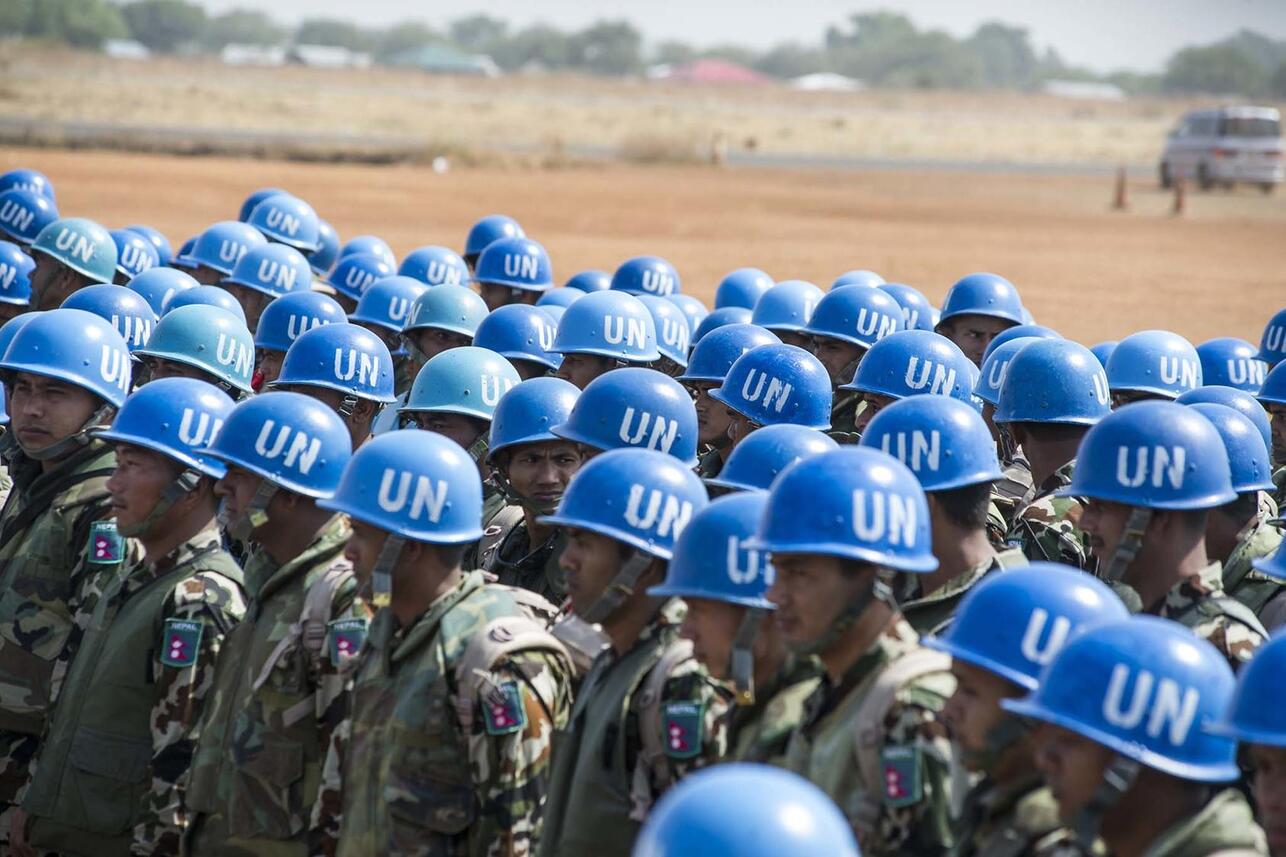
Photo source: AFP
Armenia has called for the “immediate” deployment of a United Nations mission to Nagorno-Karabakh, a contested region that has been a source of tension between Armenia and Azerbaijan for decades. The call came from the Armenian delegation during a session of the United Nations General Assembly on Saturday. The request underscores the ongoing concern about the stability and security in the region following the violent conflict that flared up in 2020. Armenia’s plea is seen as an attempt to bring international attention back to Nagorno-Karabakh, a region with a predominantly ethnic Armenian population but internationally recognized as part of Azerbaijan. The conflict over the region has its roots in the late 1980s and early 1990s, when a war resulted in the Armenian forces gaining control over the region. The 2020 conflict, which lasted for six weeks, ended with a Russia-brokered ceasefire that saw Azerbaijan reclaiming control over parts of Nagorno-Karabakh and surrounding territories. The Armenian delegation argued that the presence of a UN mission would help monitor the situation on the ground, thereby ensuring the safety of the people living in Nagorno-Karabakh and mitigating the risk of further conflict.

“The situation in Nagorno-Karabakh needs immediate and direct attention from the international community,” declared the Armenian representative. “We believe that a UN mission is the most suitable entity to ensure the safety of the inhabitants and maintain peace in the region.” In contrast, Azerbaijan, which has long claimed sovereignty over Nagorno-Karabakh, responded to Armenia’s call with a promise of its own. The Azerbaijani delegation assured the General Assembly that Armenians living in Nagorno-Karabakh would be treated as “equal citizens.” This statement emphasizes Azerbaijan’s commitment to protect the rights of the Armenian minority in the region, a point that has been a major concern for the international community. Azerbaijan’s representative stated, “We assure that all individuals residing in the region, regardless of their ethnic origin, will be treated as equal citizens of Azerbaijan. Their rights and freedoms will be fully respected, in line with our international commitments.” While the Azerbaijani promise is seen by many as a positive step towards reconciling the differences between the two nations, skeptics argue that actions will speak louder than words. They emphasize the need for tangible actions that demonstrate Azerbaijan’s commitment to the equality and safety of the Armenian population in Nagorno-Karabakh. The international community now faces the task of responding to Armenia’s request for a UN mission in Nagorno-Karabakh and assessing the sincerity of Azerbaijan’s promise of equality. With the eyes of the world on Nagorno-Karabakh, the UN’s decision could play a crucial role in shaping the future of this volatile region. As the General Assembly continues its sessions, the nations of the world will grapple with these issues, seeking to balance the principles of territorial integrity, the right to self-determination, and the need for peace and stability in the volatile South Caucasus region. The hope is that a peaceful resolution can be found that respects the rights and aspirations of all parties involved in the Nagorno-Karabakh dispute. The role of the United Nations will undoubtedly be pivotal in this process.
By Berta Schroeder