Scroll Top

The Paradox of Mormonism: America’s Indigenous Faith and Its Quest for Zion
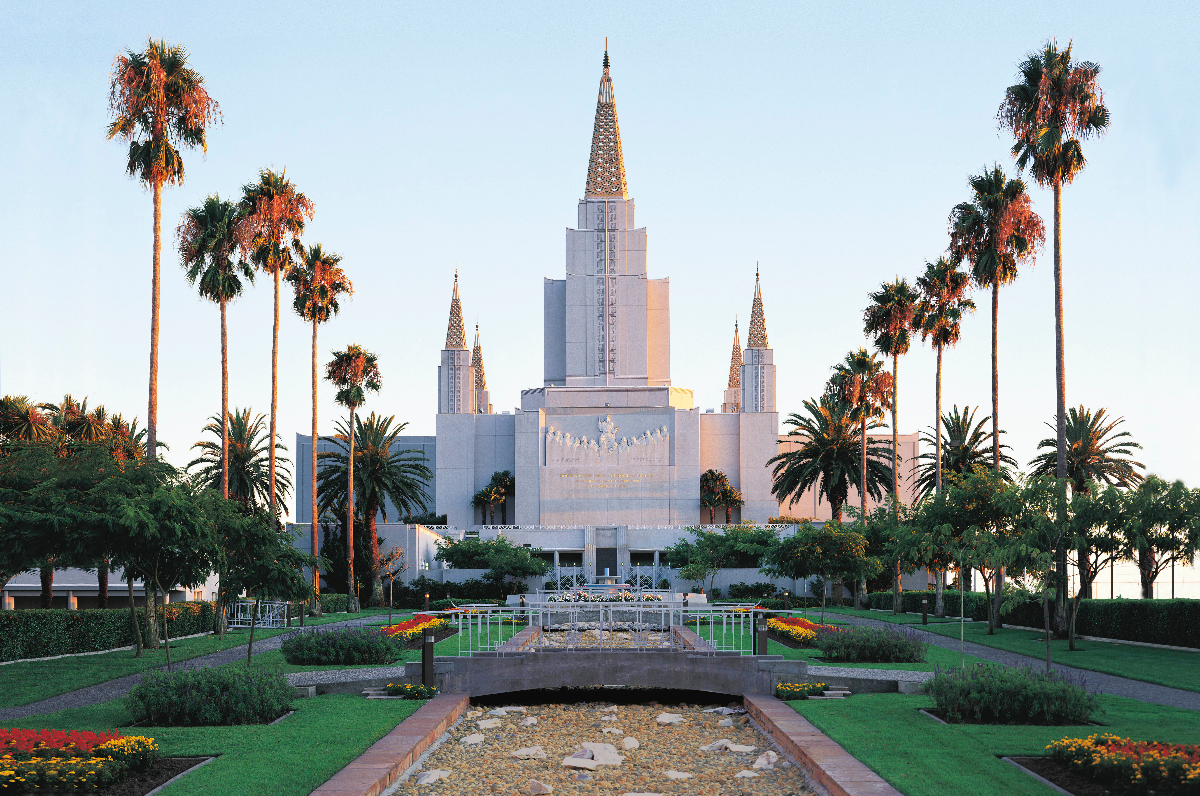
Photo: Unsplash.com

Mormonism, formally known as The Church of Jesus Christ of Latter-day Saints (LDS Church), holds a unique position in the religious landscape of the United States as the most prominent religion to have originated within its borders. Founded in the early 19th century by Joseph Smith, Mormonism presents an intricate tapestry of American religiosity, woven with threads of Christian restorationism, prophetic leadership, and a continuous search for a sacred homeland. The religion’s history is deeply entwined with the story of America, yet it has often found itself at odds with the broader society that cradled its inception. Benjamin Park’s “American Zion” provides a compelling narrative that delves into the complexities of Mormonism’s relationship with the nation that is both its birthplace and, at times, its antagonist. Mormonism emerged in 1830 in upstate New York, an era of religious fervor known as the Second Great Awakening. Smith claimed to have been visited by God and Jesus Christ, and later by an angel named Moroni, who revealed to him the location of ancient golden plates. From these plates, Smith translated the Book of Mormon, a new scripture that would become the cornerstone of the LDS faith. It outlined a history of ancient Israelite peoples in the Americas and established Smith as a modern-day prophet.The search for Zion, a place of refuge and spiritual gathering for the saints, became a central theme in early Mormonism. Smith led his followers westward, moving from New York to Ohio, Missouri, and ultimately Illinois, where they built the city of Nauvoo. In each of these locations, the Mormons encountered suspicion, conflict, and violence from surrounding communities. This opposition was fueled by a combination of factors, including the Mormons’ unorthodox religious practices, their growing political power, and the practice of polygamy among some church members.

The idea of Zion was not merely a spiritual aspiration but also a tangible goal: the establishment of a sovereign Mormon territory. After Smith’s murder in 1844, Brigham Young, his successor, led the church in the epic westward migration that would culminate in the founding of Salt Lake City in the Utah Territory. Here, Mormons hoped to create a society insulated from outside influences, where they could practice their faith and governance without interference.
The journey to Utah and the establishment of a Mormon theocracy in the Great Basin was a testament to the religious determination and communal effort of the Latter-day Saints. However, it also set the stage for further conflicts with the United States government, which saw the burgeoning Mormon power as a challenge to federal authority. The Utah War of 1857-1858 and the subsequent federal legislation targeting polygamy are examples of the enduring tensions between the LDS Church and the American government.
Park’s “American Zion” underscores the paradoxes at the heart of Mormonism: a religion that is quintessentially American yet has often defined itself in opposition to mainstream American culture and government. The desire for a Zion in America reflects the quintessential pioneer spirit and the search for religious freedom that are hallmarks of the American experience. However, the path to achieving that Zion has been fraught with persecution, misunderstanding, and a struggle for acceptance.
Mormonism’s evolution over the centuries—from a persecuted sect to a global religion with a strong presence in American civic life—reflects its complex relationship with the country of its origin. Throughout the 19th and into the 20th century, the LDS Church worked to reconcile its distinct identity with the need to integrate into the wider American society. This process involved both doctrinal shifts, such as the eventual abandonment of polygamy by official church decree in 1890, and cultural adaptations that allowed Latter-day Saints to align more closely with American values.
As the LDS Church sought to shed its image as an insular, rebellious group, it increasingly emphasized patriotism and participation in the American political process. This transition was symbolized by Utah’s statehood in 1896, which was granted only after the LDS Church assured the federal government of its commitment to the laws and constitution of the United States. Over time, Mormons became known for their strong work ethic, community organization, and dedication to family values—traits that resonated with the American ideal.
In the 21st century, Mormonism has become an integral part of the American religious fabric, with prominent political figures, business leaders, and cultural icons identifying as members of the LDS Church. The church’s extensive humanitarian efforts and its emphasis on education and self-improvement are viewed positively by many outside the faith. Yet, the struggle for broader acceptance continues, as public perceptions of Mormonism are still shaped by its early history and unique doctrines.
Benjamin Park’s examination of Mormonism in “American Zion” highlights the faith’s development as a distinctly American phenomenon. The LDS Church’s journey from a persecuted minority seeking a sovereign Zion to a significant player in American life reflects a broader narrative of religious diversity and the quest for identity in a pluralistic society. By tracing this journey, Park invites readers to consider the ways in which religions adapt and evolve in relation to their cultural and political environments.
Mormonism’s story is one of a religion that is both deeply rooted in the American experience and marked by an ongoing effort to define and defend its unique identity. From Joseph Smith’s visions in the Burned-over District of New York to the bustling streets of modern Salt Lake City, the LDS Church has navigated a path between opposition and integration, between the search for a heavenly Zion and the realities of an earthly America. “American Zion” presents Mormonism as a testament to the complexities of religious innovation, endurance, and the American spirit’s capacity to foster a homegrown faith that still seeks its place within the nation’s broad tapestry of beliefs.
By Sara Colin

Related Posts