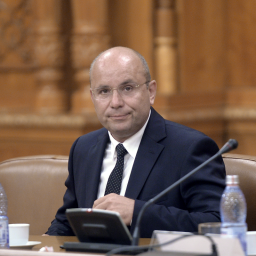
A New Chapter for Palestinian Governance

Photo: Reuters
Prime Minister Mohammed Shtayyeh, in a formal statement, disclosed that the government had initially tendered its resignation to President Abbas on February 20, and it was subsequently presented in written form. The decision to step down was underscored by recent events, particularly those related to aggression against the Gaza Strip, which have further complicated the already volatile situation in the region. This resignation suggests a significant shift in the Palestinian political landscape and signals a period of uncertainty and potential realignment. The resignation of Prime Minister Mohammed Shtayyeh, who has been a central figure in Palestinian politics for decades, raises several questions about the future direction of the Palestinian Authority and its leadership. Shtayyeh, born in 1958, has played various roles within the Palestine Liberation Organization (PLO) and the Palestinian National Authority since the early 1990s. His leadership has been characterized by attempts to negotiate peace with Israel, albeit with limited success, and navigating the complex political terrain of Palestinian governance amidst internal divisions and external pressures.