The European Union extends the economic sanctions against the Russian Federation by 6 months

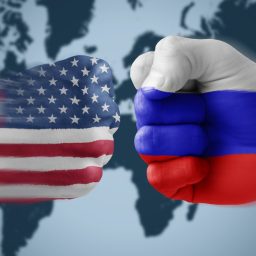
The European Union decided on Friday to extend by six months the sanctions against Russia for starting the war in Ukraine and is preparing new measures against Moscow, reports AFP. Sanctions, imposed when Moscow annexed the Ukrainian peninsula of Crimea in 2014, were significantly tightened after the invasion of Ukraine in February 2022. They have been systematically extended for six-month periods over the past eight years. EU imposed nine series of sanctions on Russia after the invasion launched on February 24 last year. The measures have particularly affected Russia’s main oil exports, cut Russian banks from the Swift global payment system and targeted President Vladimir Putin personally. Certain Eastern European countries tried this time to extend the sanctions by one year to maintain the measure for a longer period, but they did not succeed. Sanctions are decided unanimously by the 27. The European Commission is currently working on proposals for a tenth round of sanctions, but it is becoming more and more difficult to reach an agreement between all member states, European officials point out. Ukraine demanded sanctions on the Russian missile industry and the nuclear energy sector. EU considers extending sanctions to Moscow’s ally Belarus, used by the Kremlin to prop up the Russian war effort against Ukraine
In addition to the economic sanctions on the Russian Federation, the EU has in place different types of measures in response to Russia’s destabilising actions against Ukraine. These include: restrictions on economic relations with the illegally annexed Crimea and the city of Sevastopol as well as the non-government controlled areas of the Donetsk and Luhansk oblasts; individual restrictive measures (asset freezes and travel restrictions) on a broad range of individuals and entities, and diplomatic measures. Since 24 February, the EU has adopted a number of unprecedented and hard-hitting packages of sanctions in response to Russia’s full-scale invasion of Ukraine. In the face of Russia’s war of aggression, the EU stands resolutely with Ukraine and its people, and is unwavering in its support of Ukraine’s independence, sovereignty and territorial integrity within its internationally recognised borders, the statement reads. They include travel restrictions, prohibition on imports of Russian-origin gold, a ban on the import or transfer of seaborne crude oil and certain petroleum products from Russia to the EU, excluding key Russian banks from the SWIFT payments system, and the suspension of the broadcasting activities and licenses of several Kremlin-backed media outlets.
By Sara Colin