Across the Mideast, a Surge of Support for Palestinians as War Erupts in Gaza: Unmasking Diplomatic Limitations
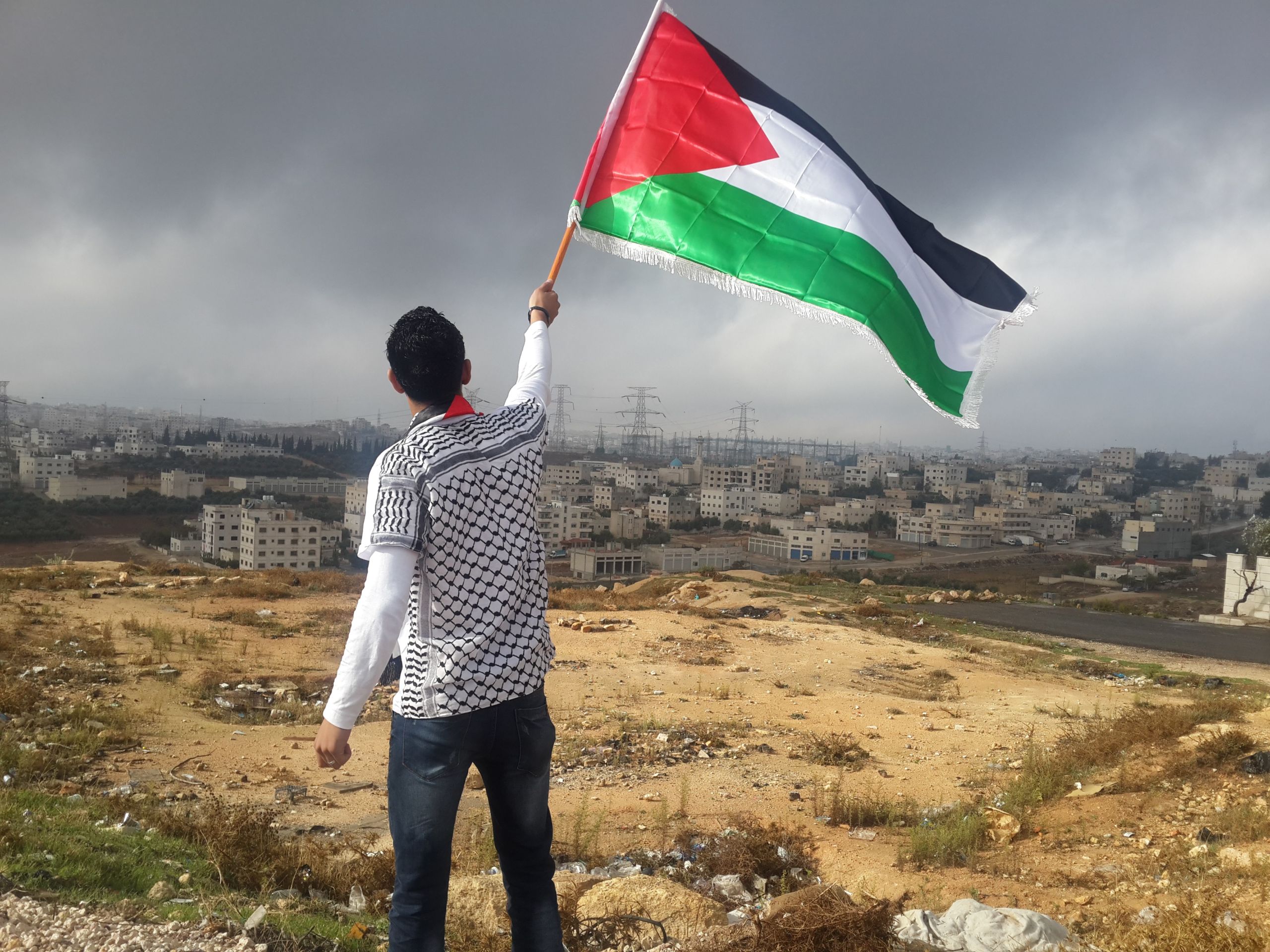
Image REUTERS
In the face of the recent war that has erupted in Gaza, the Middle East has witnessed an unprecedented surge in support for Palestinians. The political escalation and conflict have underscored the limitations of diplomatic agreements between Israel and Arab nations, as long as the fundamental conflict continues. As a Saudi scholar succinctly put it, “We told you so.” A number of Arab nations had, in the past few years, accelerated the normalization of diplomatic relations with Israel, a development largely brokered by the United States. These include the United Arab Emirates, Bahrain, Morocco, and Sudan. However, the current crisis has exposed the chinks in these agreements’ armor, revealing their inability to address the root of the conflict – the Israeli-Palestinian issue. The recent clashes have elicited an overwhelming wave of support for Palestinians across the Middle East. This outpouring of solidarity is not confined within the borders of any single nation. From the capitals of Jordan and Lebanon to the streets of Baghdad and Tehran, large demonstrations have been held in support of Palestine, denouncing Israeli aggression.

The public sentiment in these Arab nations, even those that have formalized ties with Israel, seems to remain staunchly pro-Palestinian. The governments in these countries, while maintaining diplomatic relations with Israel, have come under increasing internal pressure to address the plight of the Palestinians. The public outcry is a stark reminder that public sentiment and formal diplomatic relations often tread different paths. In Saudi Arabia, which has not formalized relations with Israel but has been suspected of having covert ties, the scholar’s remark, “We told you so,” reflects a widespread sentiment. It echoes the perspective that the normalization deals were premature and failed to address the core issues at the heart of the Israeli-Palestinian conflict. The current surge of support for Palestinians underscores the idea that any lasting peace in the region will require a comprehensive resolution of the Israeli-Palestinian issue. The normalization agreements, while fostering ties between Israel and Arab states, have seemingly bypassed the critical issue of Palestinian statehood. Moreover, the recent conflict has also given leverage to the Iranian-led resistance axis, which has long criticized Arab normalization with Israel. Iran and its allies, such as Hezbollah in Lebanon and Hamas in Palestine, have gained significant political capital, positioning themselves as the champions of the Palestinian cause. The war in Gaza and the widespread support for Palestinians in the Middle East have laid bare the limitations of diplomacy that does not address the fundamental issues. It is a stark reminder that the Israeli-Palestinian conflict remains at the heart of Middle Eastern politics and that its resolution is critical to the attainment of lasting peace in the region. The surge of support for Palestinians across the Middle East following the eruption of the war in Gaza is a clear indication of the limitations of diplomatic agreements that do not address the root of the conflict. It has highlighted the need for a comprehensive resolution of the Israeli-Palestinian conflict for lasting peace and stability in the region. The sentiment is best summed up by the Saudi scholar’s remark, “We told you so,” a stern reminder that politics and diplomacy must address the people’s sentiments and the root causes of conflicts to be truly effective.
By Roxana Stanica