Scroll Top

FBI Director’s Strategic Visit to the Russian Federation
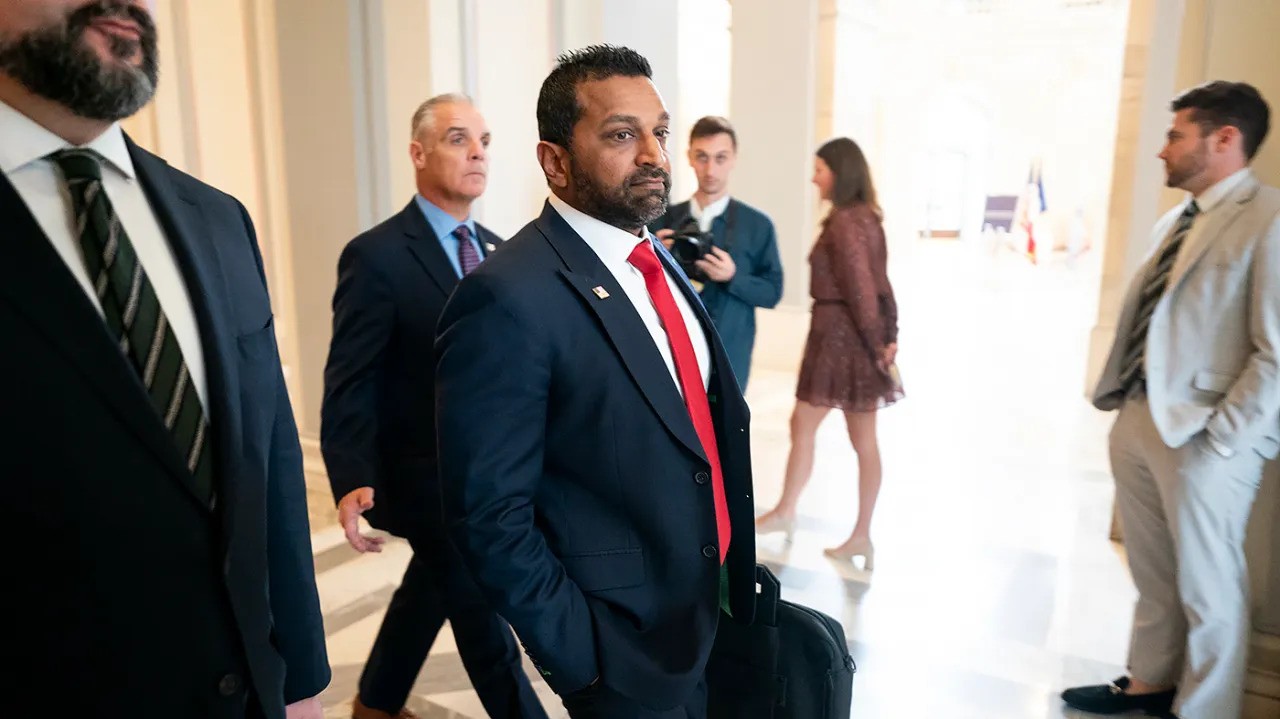
FBI Director Kash Patel’s planned trip to Russia this October marks a rare and potentially pivotal moment in the often frosty relationship between American and Russian intelligence services. Scheduled for October 14–15, Director Patel will land first in Moscow before heading to St. Petersburg, with the FSB—the Russian security agency that inherited the mantle of the Soviet KGB—serving as his official host. The visit arrives at a time when global security challenges, from cyber threats to regional instability, have created cautious openings for dialogue between the two powers.

While the trip’s precise agenda remains under wraps, the itinerary signals more than a simple courtesy call. U.S. officials familiar with the plans say Patel is expected to receive several dossiers focused on issues of regional concern, but with primary relevance to FBI investigations. This suggests the discussions could touch on counterterrorism, transnational crime, or intelligence that directly affects American interests—areas where the FBI has long sought cooperation, even as broader political tensions persist.
What makes the visit especially intriguing is its ambiguity. It is still unclear whether Patel will sit down with Russian President Vladimir Putin or any of his top political advisors, or whether the meetings will stay strictly within the intelligence and law-enforcement lanes. In an era when high-level U.S.-Russia contacts are infrequent, even a narrowly scoped engagement between the FBI and the FSB carries symbolic weight. The FSB’s role as host underscores that this is an operational, rather than purely diplomatic, exchange—one that could quietly shape how the two agencies navigate shared threats without the fanfare of a presidential summit.
For Director  Patel, whose tenure has emphasized aggressive pursuit of foreign influence operations and complex international cases, the trip offers an unusual platform. Russia’s willingness to hand over targeted intelligence dossiers may reflect a pragmatic recognition that certain security issues transcend political rivalries. Observers will be watching closely to see whether this mid-October journey produces any tangible breakthroughs or simply serves as a rare window into how the world’s two most prominent intelligence establishments are communicating behind closed doors.
By Ovidiu Stanica

Related Posts