Mircea Geoană vs. Cozmin Gușă – A Choice Between Continuity and Change!
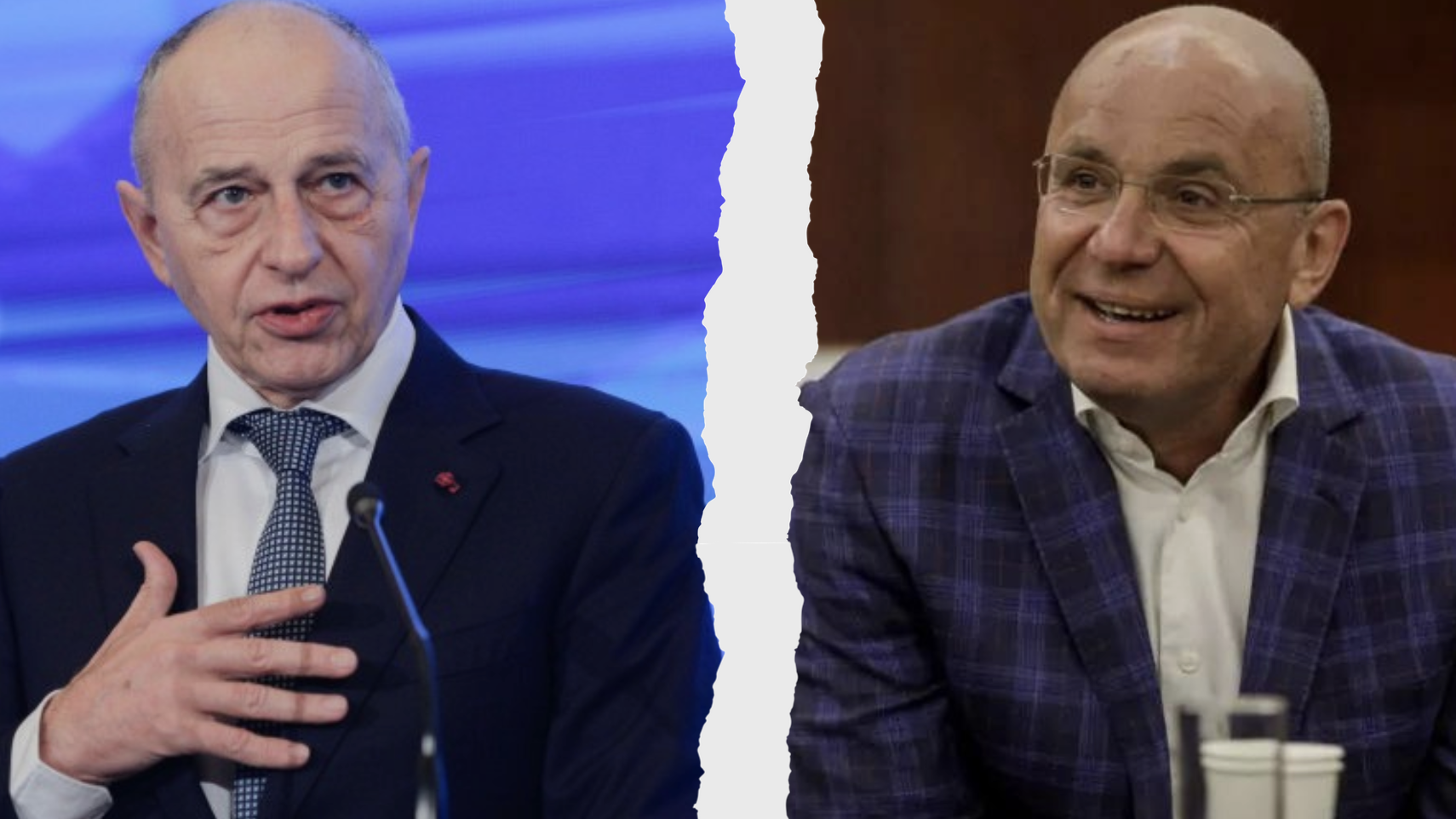
As Romania braces itself for pivotal presidential elections, the stage is set for a compelling clash between two prominent figures: Mircea Geoană and Cozmin Gușă. At the heart of this electoral contest lies a fundamental choice between continuity and change, as both candidates offer distinct visions for the future trajectory of Romanian politics.
The unnatural PSD-PNL alliance, public dissatisfaction and disapproval of the government, have narrowed the ways for the two main political Romanian parties to obtain a comfortable majority in the parliamentary elections, let alone find a suitable candidate that the Romanian people will want to unanimously support in the upcoming presidential elections. So, it is not surprising that, for the first time in post-communist Romania, the two favorite candidates to occupy the seat are running as independents.
Back in February, Mircea Geoană, the current Deputy General Secretary of NATO, was, according to all major polls, the front runner in the first round of the presidential elections. But, at that time, his competitors did not pose any significant threats to what seemed to be a smooth victory. However, last week, Cozmin Gușă, a prominent figure in Romanian politics announced his candidacy, and now we can talk about real competition.
Today we are having a look at the differences between these two opponents, their experience, their vision and their platforms.
Mircea Geoană: The Established Diplomat
 Romanians have a history of voting for the candidate that “looks the best” or is the most presentable. It is what happened when the current president, Klaus Iohannis was elected. This is mainly due to the fact that, Romanians like to think of their president as nothing but a mere image, a representative of the country on the global political stage. And they want to make a good impression. Add a lot of political experience to the mix, and you get Mircea Geoană.
A seasoned diplomat, with a wealth of experience both domestically and on the international stage, it is no surprise why Geoană is popular amongst Romanian voters. He has the experience, presence and charisma they deem worthy of a president.
As the current deputy general secretary of NATO, Geoană commands a strong grasp of foreign affairs and global dynamics. The former leader of PSD is running as an independent, and has already held a series of events and meetings with businessmen, citizens and leaders from local communities and national minorities, trying to create the widest support possible, outside the borders of a political party.
However, Geoană also tried to become the president of Romania in 2009, when he was the leader of PSD, but was defeated by the then head of state, Traian Băsescu, with a difference of less than 100,000 votes. In that year, Mircea Geoană was strongly supported by the trio of moguls Sorin Ovidiu Vântu, Dinu Patriciu and Dan Voiculescu – extremely problematic figures in Romanian society and politic -, who controlled a large part of Romania’s economic resources and especially the mass media.
A strong polarization of public opinion and a series of mistakes made by Mircea Geoană, including two trips to Moscow and a visit to Vântu’s private residence in the run-up to the elections, shattered his chances, although all polls showed him as the winner. But, can he win this time?
His opponent, Cozmin Gușă thinks Geoană does not stand a chance in the long run, as an idependent. Before announcing his candidacy, Cozmin Gușă radiographed Mircea Geoană’s profile, highlighting his strengths and weaknesses.
“ He is a man used to being protected by a system, whether it was an administrative system – such as the State Department system, where he was a spokesman and then launched into a career as ambassador to the US – he returned as Foreign Minister and was then protected by the Social Democratic Party system. We are talking about the last 25 years of his life. Being a system man, he demands a system that can protect him. That’s why , for the time being, without offending anyone, even if he is one of the best in terms of expertise among the other candidates, I don’t consider him among those who will be able to stay in the race. Unfortunately, Geoană is not using his expertise in the national interest now, because those from NATO are blocking him”, explained Gușă.
Cozmin Gușă: The Sovereignty Advocate
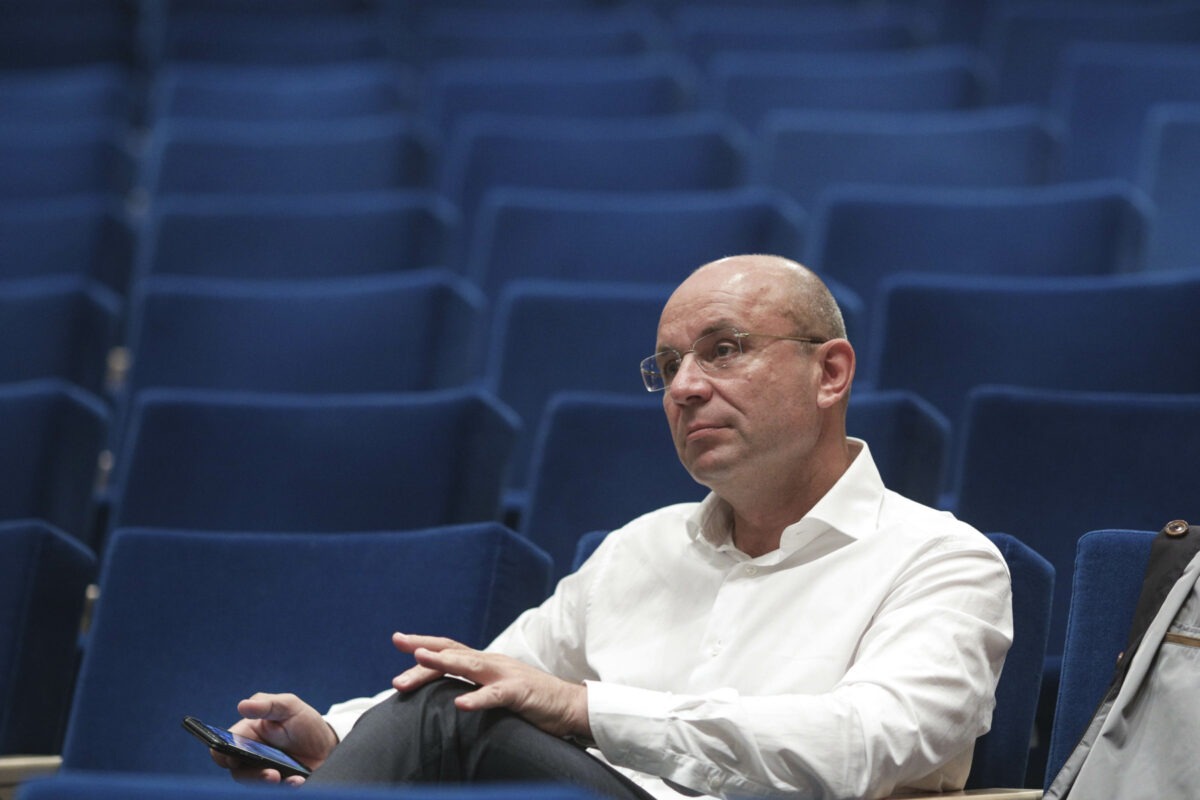 In contrast, Cozmin Gușă emerges as a vocal advocate for sovereignty and independence within the Romanian political landscape. A renowned journalist and political commentator, Gușă’s candidacy injects a fresh perspective into the electoral discourse. Former adviser to Traian Băsescu and Mircea Geoană, with extensive political activity, Cozmin Gușă is building a platform that revolves around the restoration of Romanian sovereignty and the empowerment of ordinary citizens.
His alignment with sovereign values resonates with a significant portion of the electorate disillusioned with perceived encroachments on national autonomy. As an independent candidate supported by the GOLD Think Tank, Gușă represents a departure from traditional party politics. His candidacy embodies a desire for change and a break from entrenched political dynamics, appealing to those seeking a new direction for Romania.
Drawing on his expertise as a journalist and political commentator, Gușă articulates a compelling vision for Romania’s future, rooted in the restoration of national sovereignty and the empowerment of ordinary citizens. His alignment with the burgeoning sovereign movement reflects a broader desire for change among disillusioned Romanian voters.
Sovereignty vs. Globalism
Geoană’s platform emphasizes continuity and stability, anchored in his vision for a Romania that is firmly attached to the European Union and NATO. His candidacy appeals to those who prioritize Romania’s role as a global player and advocate for international cooperation in addressing pressing global challenges. On the other hand, Gușă also wants -and needs- the pro-European and pro-NATO nationalists, but who are fighting for Romania’s independence in the EU.
Mircea Geoană’s strengths lie in his extensive diplomatic experience and established political credentials. His candidacy may attract voters seeking stability and continuity in leadership, particularly in navigating complex international relations. However, Geoană’s association with mainstream political parties may pose challenges, especially in a political climate marked by anti-establishment sentiments. Additionally, questions may arise regarding his ability to address domestic issues effectively amidst his focus on international affairs.
On the other hand, Cozmin Gușă’s candidacy offers a fresh perspective and a platform centered on sovereignty and empowerment. His independence from traditional party affiliations appeals to voters disillusioned with conventional politics, while his alignment with sovereignist values resonates with a significant segment of the electorate.
The Fork in the Road
As Romanian voters prepare to cast their ballots, they are confronted with a stark choice between continuity and change. Mircea Geoană symbolizes the pursuit of independence from entrenched party interests, while Cozmin Gușă embodies the voice of sovereignty and national renewal.
Ultimately, the decision between Geoană and Gușă represents a defining moment in Romanian politics. Whether voters opt for the familiar stability offered by Geoană or the promise of transformative change espoused by Gușă, their choice will shape the future trajectory of Romania for years to come.
In the final analysis, the choice between Mircea Geoană and Cozmin Gușă is not merely a selection of individuals but a referendum on the direction of Romanian democracy. As the nation stands at the crossroads of continuity and change, the outcome of the presidential elections will chart a course that reverberates far beyond the confines of the political arena.
By Ioana Constantin