Decline in Consumer Confidence in South Korea Signals Multiple Economic Challenges

Photo: Reuters
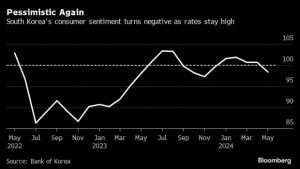
Amid soaring inflation and rising interest rates, the global economic landscape is undergoing significant changes, exerting a profound impact on consumer confidence. This effect is particularly pronounced in South Korea, where the consumer confidence index has plummeted. Compared to last month, the consumer confidence index for this month has dropped by 2.3, reaching its lowest level since November last year, reflecting widespread pessimism among the population. Inflation and interest rates are key economic indicators that affect consumer spending and saving habits. As prices rise, consumers’ purchasing power gradually declines, making it more difficult to afford goods and services. Meanwhile, the increase in interest rates raises borrowing costs, further limiting consumers’ spending ability. In South Korea, these adverse factors are intertwined, severely undermining consumer confidence and leading to a more cautious approach to spending. The decline in consumer confidence has brought widespread impacts. Firstly, it directly leads to a reduction in overall consumer spending, which in turn affects corporate profitability and overall economic growth. As consumers’ willingness to purchase non-essential goods and services decreases, the demand for related markets naturally declines, which will slow down economic growth in the long run.