Scroll Top

The European Political Class: Navigating Challenges and Shaping the Continent’s Future

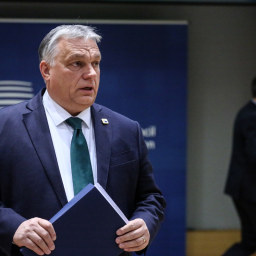
Photo: Reuters

The European political class plays a vital role in shaping the direction and policies of the European Union (EU), an economic and political union consisting of 27 member states. Comprised of elected officials, policymakers, and bureaucrats, this diverse group faces a multitude of challenges while striving to foster unity, address socio-economic disparities, and uphold democratic values. We aim to explore the composition, functions, and challenges faced by the European political class and its significance in shaping the future of the continent. The European political class encompasses a wide range of individuals representing various political parties and ideologies. It includes members of the European Parliament, national parliamentarians, and heads of state or government, ministers, commissioners, and civil servants working within the EU’s institutions. The European Commission, the executive arm of the EU, plays particularly influential role in proposing legislation and implementing policies.

The primary functions of the European political class revolve around decision-making, legislation, and policy implementation. Members engage in debates, negotiations, and compromise to develop and enact legislation that affects the lives of over 500 million EU citizens. They also participate in the democratic processes of their respective countries, representing their constituents ‘interests while collaborating with their European counterparts to shape the EU’s overall direction. The European political class faces several complex challenges that require thoughtful and strategic decision-making. These challenges include: economic Disparities: The EU consists of countries at varying levels of economic development, leading to disparities in wealth, employment, and living standards. The political class must address these disparities to ensure social cohesion and economic stability while promoting inclusive growth and reducing regional inequalities. Brexit Fallout: The departure of the United Kingdom from the EU, commonly known as Brexit, has had far-reaching consequences. The European political classmust navigate the aftermath, renegotiate trade agreements, and ensure the stability of the EU project amidst a changing geopolitical landscape. Migration and Integration: The management of migration flows and the integration of diverse populations present significant challenges. The European political class must strike a balance between humanitarian considerations, security concerns, and the social and economic impacts of migration. Climate Change and Sustainability: Tackling climate change and transitioning to a sustainable future are critical imperatives for the European political class. Policymakers must collaborate to implement ambitious climate goals, promote renewable energy, and develop strategies to mitigate the environmental impact of industrial activities. The rise of populism and Eurosceptic sentiments poses a threat to the unity and cohesion of the EU. The political class must address the concerns of disenchanted citizens, counter misinformation, and foster a sense of shared European identity and purpose. Despite the challenges, the European political class plays a crucial role in shaping the future of Europe. It is through their collective efforts that policies are formulated, legislation is enacted, and decisions are made to address the complex issues facing the continent. To navigate these challenges effectively, the European political class must foster greater transparency, accountability, and citizen engagement. They should strive to bridge the gap between the EU institutions and the citizens they represent, ensuring that decision-making processes are more inclusive and responsive to the needs and aspirations of Europeans. Furthermore, the political class should emphasize cooperation and consensus-building both within and between member state.
By Roberto Casseli

Related Posts