Scroll Top

NATO’s Annual Report on Climate Change and Security
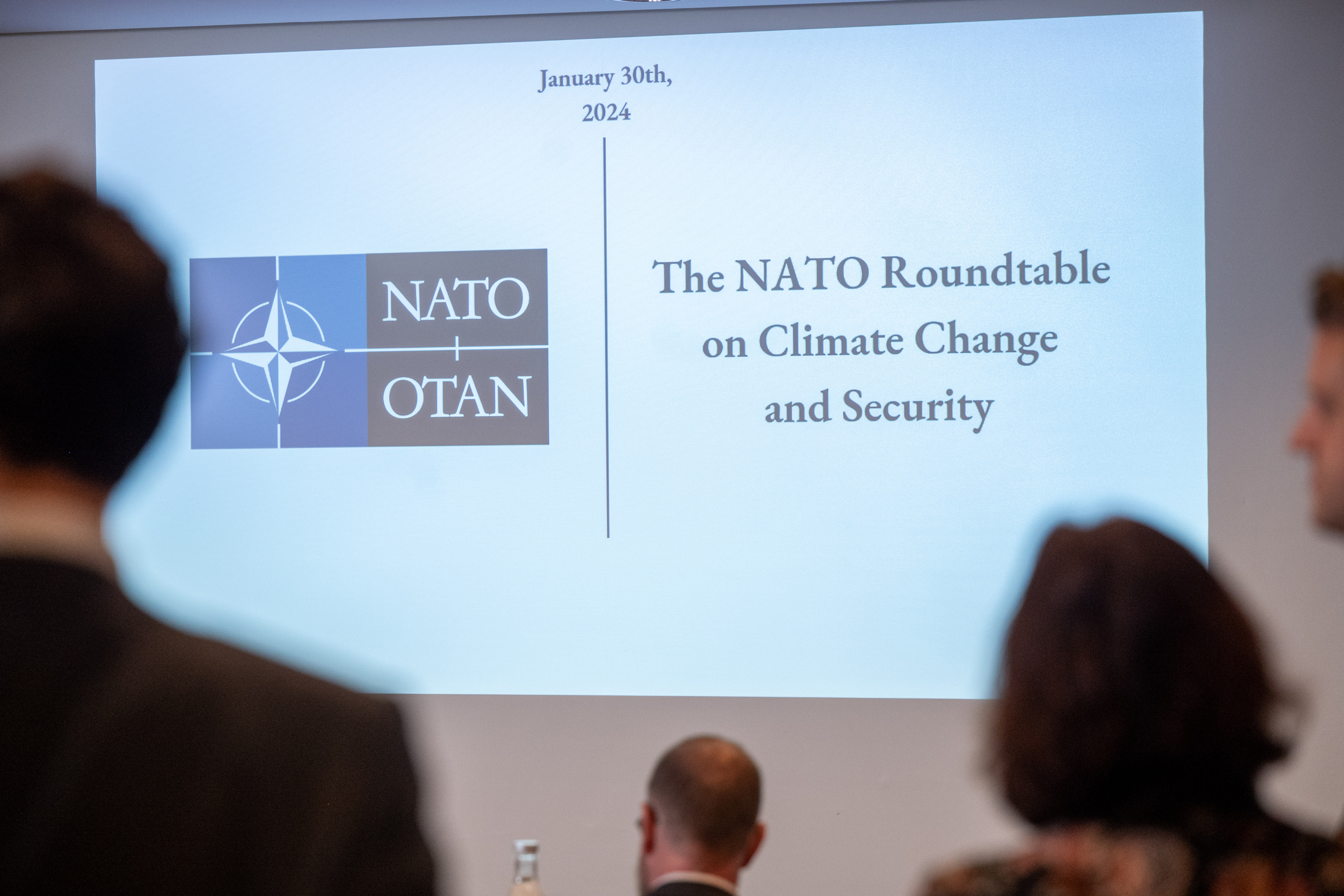
Photo: Reuters

On the occasion of the 75th summit organized between July 9-11 by the Atlantic Alliance in Washington, NATO published the annual report of its Secretary General, Jens Stoltenberg, on climate change and security. This comprehensive assessment is a significant step in the ongoing implementation of the action plan on climate change and security that NATO leaders adopted at the Brussels summit in 2021. The report provides an in-depth examination of the multifaceted impact of climate change on each of NATO’s operational domains—maritime, land, air, space, and cyber—as well as on the Alliance’s missions, operations, resilience, and civil training. The report highlights that rising sea levels and more frequent extreme weather events are altering the maritime environment, affecting naval operations and infrastructure. Melting Arctic ice, for instance, is opening new sea routes and increasing geopolitical competition in the region. NATO naval forces are adapting by enhancing their capabilities for operating in polar conditions and by improving their maritime situational awareness to monitor emerging threats and ensure the security of critical sea lanes.

On land, climate change is influencing the frequency and intensity of natural disasters, which in turn affects military readiness and operations. Droughts, floods, and wildfires can disrupt training schedules, damage infrastructure, and necessitate humanitarian assistance and disaster relief operations. NATO is investing in more resilient infrastructure and developing strategies to ensure that its forces can maintain operational effectiveness in the face of these challenges.
The aviation sector faces its own set of challenges due to climate change. Extreme weather conditions can impact flight operations, from take-offs and landings to in-flight safety. Additionally, higher temperatures can affect aircraft performance and increase maintenance needs. NATO is working on improving its forecasting and monitoring capabilities to better predict and mitigate the impacts of adverse weather on air operations. This includes investing in more robust aircraft and supporting infrastructure.
In the space domain, climate change poses risks to satellite operations and space-based assets that are critical for communication, navigation, and intelligence. Variations in the Earth’s atmosphere and increased space debris from more frequent natural disasters can potentially damage satellites. NATO’s report emphasizes the need for enhanced space situational awareness and the development of more resilient space technologies to protect these vital assets.
The cyber domain is also not immune to the effects of climate change. Increased reliance on digital infrastructure means that the impact of climate-induced disruptions, such as power outages and damage to physical infrastructure, can have significant cyber implications. The report stresses the importance of bolstering cyber defenses and ensuring the resilience of critical digital networks against both environmental and man-made threats.
Climate change is increasingly influencing NATO’s missions and operations. Rapid response capabilities are essential for addressing the humanitarian crises and instability that can arise from climate-induced events. NATO’s report underscores the need for integrated approaches that combine military and civilian efforts in disaster response and recovery. It also highlights the importance of international cooperation in addressing the security implications of climate change.
Building resilience and enhancing civil training are crucial components of NATO’s strategy to address climate change. The report calls for increased investment in training programs that prepare military and civilian personnel to operate in a changing environment. This includes developing new doctrines and operational concepts that incorporate climate considerations, as well as fostering partnerships with other international organizations and civil society.
NATO’s annual report on climate change and security, as presented by Secretary General Jens Stoltenberg, provides a comprehensive assessment of the challenges and opportunities that climate change presents for the Alliance. By examining the impact across all operational domains and emphasizing the need for resilience and adaptation, NATO is taking proactive steps to ensure that it can continue to fulfill its mission in an increasingly unpredictable world. The report serves as a critical benchmark in the implementation of the action plan adopted at the Brussels summit in 2021, underscoring NATO’s commitment to addressing one of the most pressing security challenges of our time. 
By Roxana Stanica

Related Posts