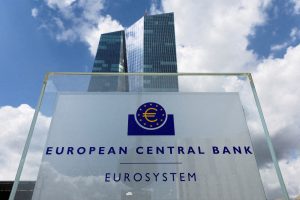
The ECB’s Aggressive Rate Cuts

Photo: Pixel
In 2024, the European Central Bank (ECB) made critical moves by implementing three interest rate cuts, marking a historic moment in its monetary policy actions. Rate cuts are typically used to stimulate the economy by reducing borrowing costs, and encouraging businesses and consumers to increase investment and spending. However, it is a double-edged sword, as improper management may fuel inflation. The ECB’s third rate cut this year indicates deep concerns about the eurozone’s economic situation, which is facing a complex environment of slowing growth, persistent inflation, and external economic pressures.The backdrop of the third rate cut in 2024 is the severe economic environment the eurozone faces. One of the key factors prompting the ECB to cut rates multiple times this year is the persistence of inflation. Despite the ECB implementing tight monetary policies earlier this year, inflation remains stubbornly high. Energy prices, in particular, have stayed elevated due to global supply chain disruptions and geopolitical tensions, especially those involving major energy suppliers. Meanwhile, the eurozone has long struggled with slow economic growth. This year, the region’s GDP growth has been sluggish, with some member states on the brink of recession. Germany, the largest economy in the eurozone, has been particularly affected by declining industrial output and weak exports. This slowdown has been exacerbated by global economic uncertainties, including trade tensions, weak recovery in China, and the ongoing conflict in Ukraine, which continues to disrupt energy markets and consumer confidence.