When the Virus Meets the Cobalt: Congo’s Ebola Outbreak Is Stalling Washington’s Minerals Diplomacy
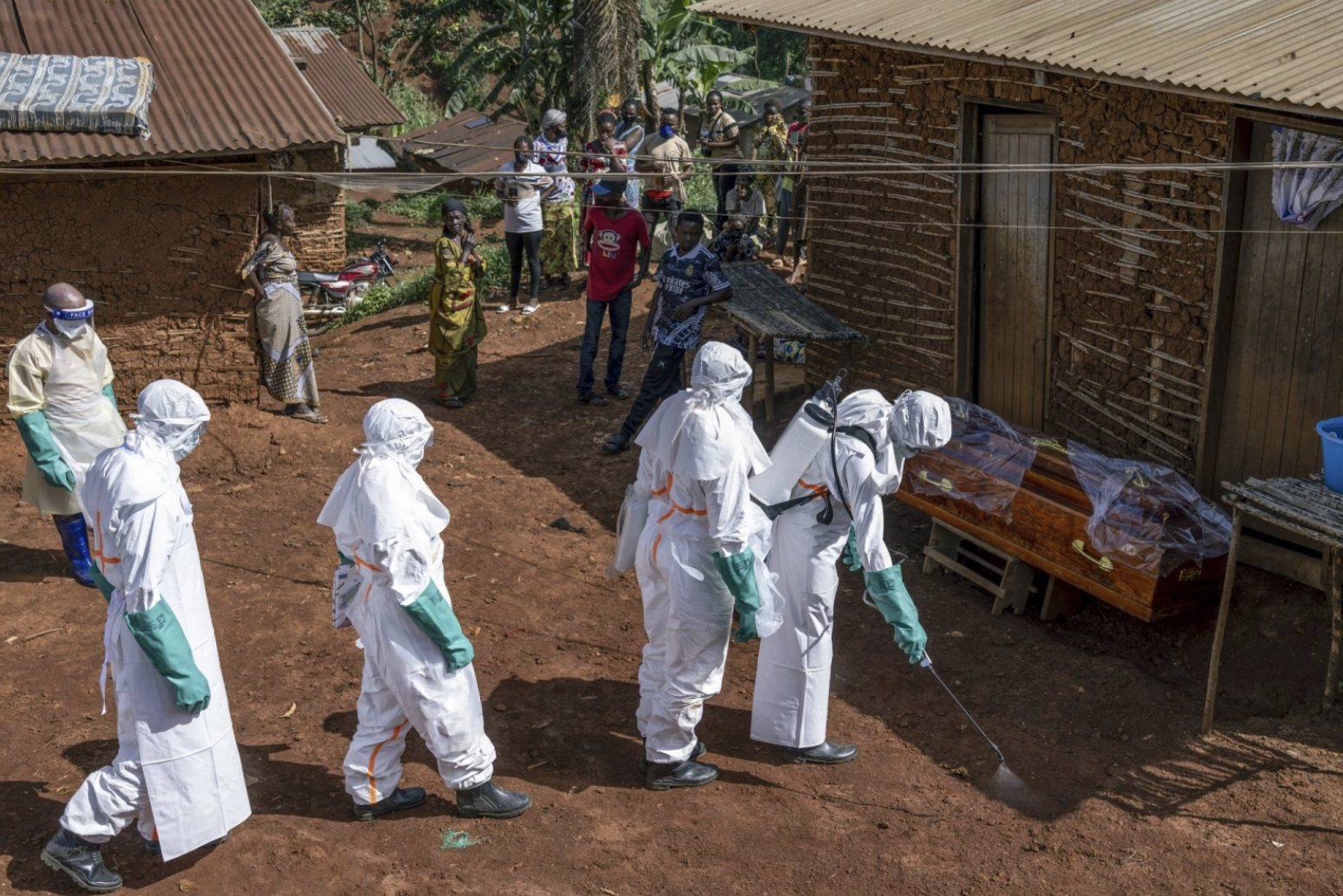
Two stories have been running in parallel in the Democratic Republic of the Congo this year. One is counted in lives: an Ebola outbreak centered on Ituri province in the country’s east has killed nearly 800 people, making it one of the deadliest since the great West African and Kivu epidemics. The other is counted in tonnes and term sheets: the strategic minerals partnership Washington signed with Kinshasa in 2025, the centerpiece of America’s attempt to loosen China’s hold on the copper and cobalt that power the world’s batteries.
This month, the two stories collided. According to reporting by Reuters, based on diplomats and consultants advising on American investments, the outbreak is now directly disrupting the minerals partnership: travel to and from Congo has become increasingly difficult, quarantine requirements are forcing officials and investors to postpone visits, a Washington review meeting on US corporate interest in Congolese projects was pushed back, and deal discussions have migrated to London, Paris and Brussels – anywhere, in effect, but the country the deal is about.
On July 11, the US Embassy in Kinshasa went further, urging American citizens not to travel to Congo “for any reason,” and warning that anyone exposed to the virus could face up to 21 days of quarantine at their own expense. For a partnership whose entire logic depends on flying engineers, geologists, lawyers and financiers into the country, the advisory did not merely complicate logistics. It grounded the human network through which deals actually get made.
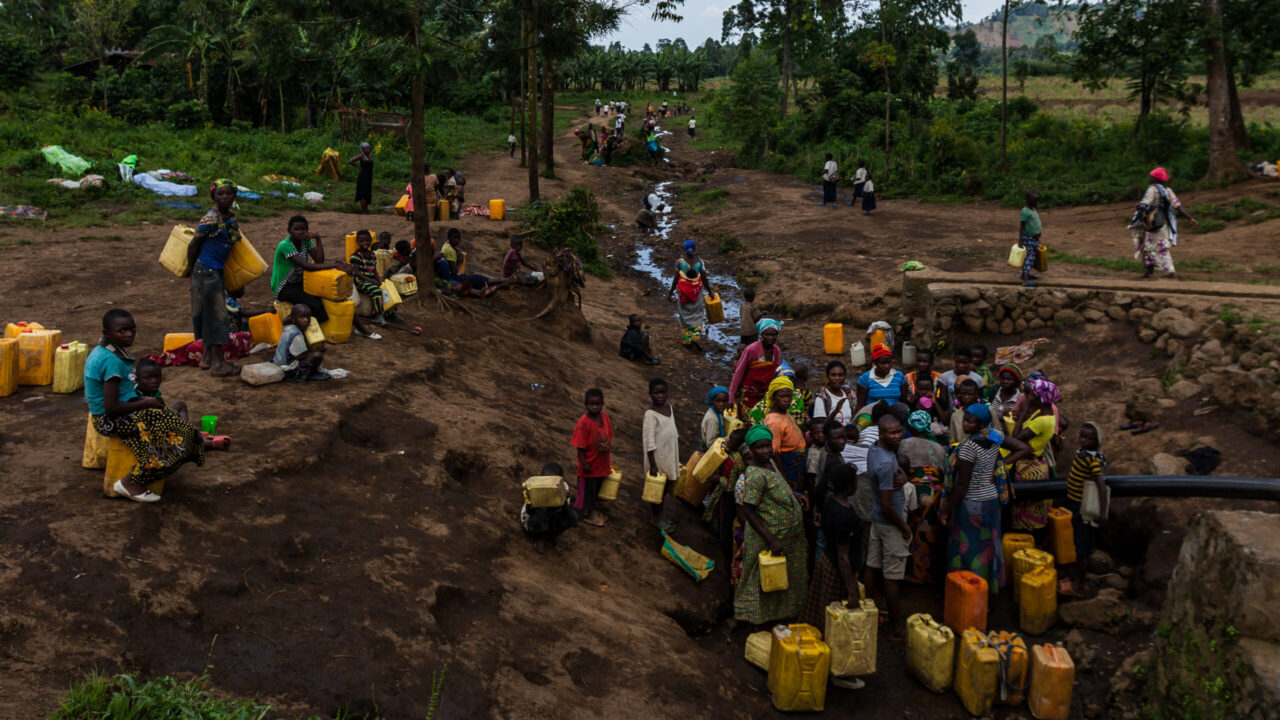
Before the geopolitics, the epidemiology. The outbreak involves the Bundibugyo strain of the virus, first identified in the region in May, spreading through Mongbwalu and surrounding areas of Djugu Territory, a gold-mining zone that has spent years wracked by militia violence, displacement and chronically underfunded health services. That detail matters more than it may appear: the licensed Ebola vaccine that helped end previous Congolese outbreaks targets the Zaire strain of the virus, and no equivalent shield exists for Bundibugyo, leaving responders to rely on the older, harder toolkit of contact tracing, isolation and community trust, in a region where trust in outsiders, after decades of conflict, is the scarcest commodity of all.
Nearly 800 deaths is not a footnote to a minerals story. It is a humanitarian emergency in its own right, unfolding largely outside the world’s attention and the fact that it took a threatened cobalt deal to put eastern Congo back in international headlines is itself part of the story.
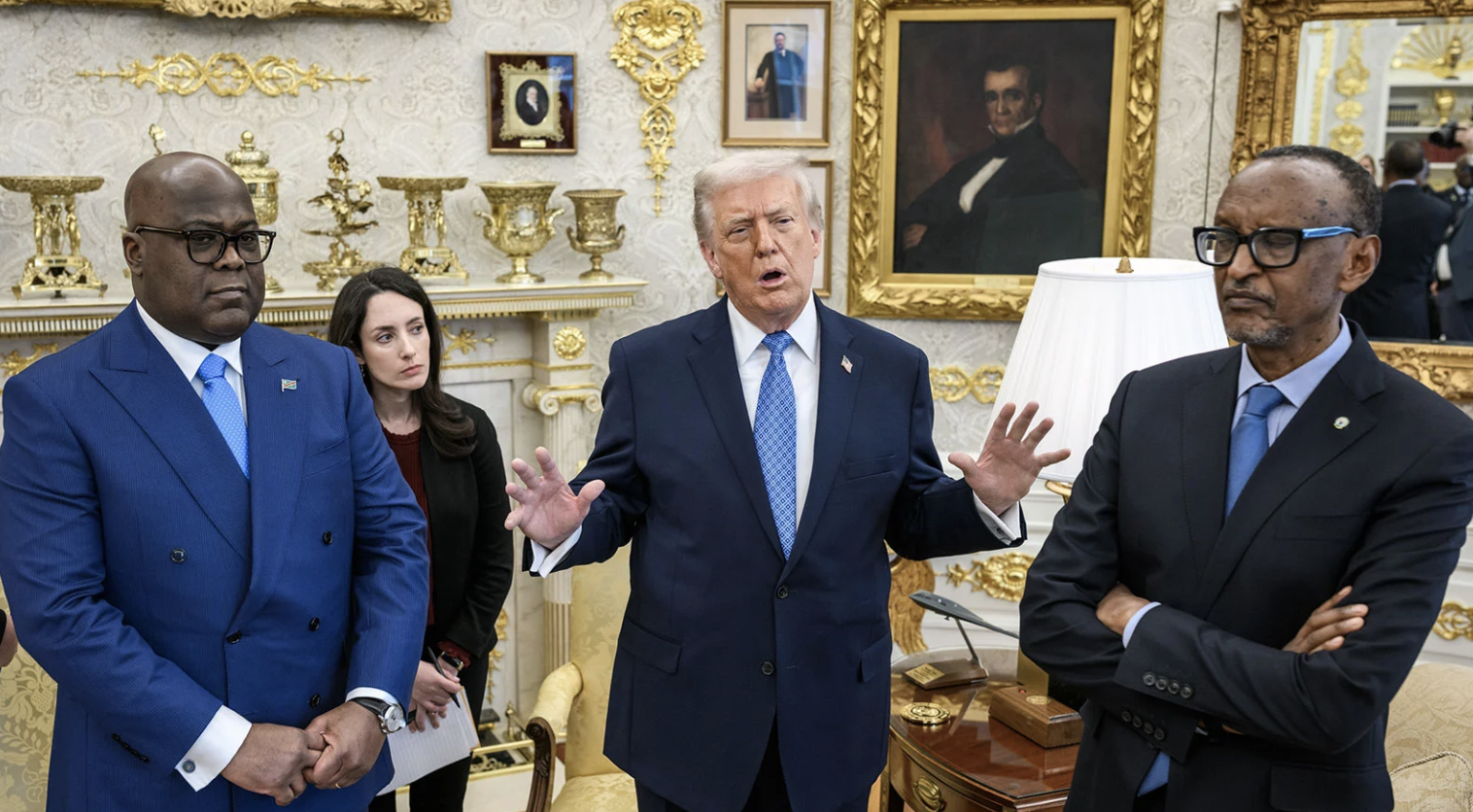
The US-Congo Strategic Partnership Agreement was signed in 2025 with an explicit purpose: to counter China’s expanding dominance over Congolese resources. The stakes are hard to overstate. Congo is the world’s top producer of cobalt and its second-largest supplier of copper, with significant deposits of germanium, lithium and tantalum, the periodic table of the energy transition, concentrated in one fragile state.
Chinese companies spent two decades building positions in Katanga’s copperbelt while the West debated; the partnership, alongside American backing for the Lobito Corridor railway that would carry Congolese and Zambian metals to the Atlantic through Angola, is Washington’s answer.
The nuance in the Reuters reporting deserves attention: existing mining operations under the agreement have not been directly hit, the mines, mostly in the country’s south, are far from the outbreak zone in the northeast, and one US-backed company said quarantines had not touched production. What has stalled is the future: the expansion talks, the site visits, the investor delegations, the institutional momentum that separates a framework agreement from actual capital in the ground. Suppliers and consultants are postponing trips; moving staff in and out has become an ordeal. The State Department insists the partnership is advancing, citing progress on Lobito and Kinshasa’s commitment to facilitating US investment, while a diplomatic source confirms, in the same breath, that discussions have been formally delayed.
For decades, analysts filed “health systems” and “critical minerals” in separate drawers, one a development concern, the other a security priority. The Congo outbreak has collapsed the distinction in real time. The countries holding the deposits the 21st-century economy cannot function without are, disproportionately, the same countries with contested territories, fragile governance and health systems running on donor fumes. A virus in a mining province can now do what no competitor’s lobbying could: freeze a great power’s resource diplomacy for months.
There is an uncomfortable historical echo here, too. Eastern Congo’s health infrastructure is threadbare partly because the state’s revenues have flowed, for a century and a half, from its subsoil outward – rubber, then copper, then cobalt – rather than into its clinics. The minerals partnership now stalled by Ebola is being stalled, in a sense, by the accumulated consequences of every previous minerals partnership that extracted without building.
And the delay is not neutral. China’s operations, embedded for twenty years with local supply chains, in-country staff and a higher institutional tolerance for risk, are better positioned to ride out a period in which Western investors cannot board a plane to Kinshasa. Every quarter the expansion talks drift is a quarter in which the incumbent’s advantage compounds. If Washington’s engagement with Congo fragments into meeting rooms in third countries while Beijing’s engineers stay on site, the outbreak will have redrawn the competitive map without either power firing a shot, or signing a document.
The policy conclusion writes itself, though it is rarely funded as if it were true: for any state whose strategy depends on access to Congolese minerals, the DRC’s disease-surveillance network, vaccine research for neglected strains like Bundibugyo, and the salaries of health workers in Ituri are not charity. They are supply-chain security, as strategic as any railway or naval escort. The Lobito Corridor will move nothing if the people meant to build, finance and operate it cannot safely enter the country.
Eastern Congo has buried nearly 800 people this year from a disease the world learned to fear in 1976 and has still not fully learned to fund. The cobalt in the ground will keep. The question the outbreak poses to Washington and to every capital that has discovered a sudden strategic interest in Congo, is whether they understood that the health of the Congolese was always part of the deal.
By I. Constantin
Sources: Reuters reporting (Maxwell Akalaare Adombila, July 15, 2026); CNBC Africa; Mining Weekly; US Embassy Kinshasa travel advisory (July 11, 2026); US State Department statements; WHO background on Ebola virus strains.