Changes in Europe after the American election

Image Credit: ASSOCIATED PRESS | Virginia Mayo
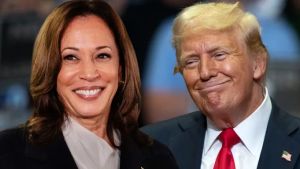
“I will return like lightning.” This bold statement made by Donald Trump has captured the attention of many and may soon transition from mere rhetoric to a tangible reality. In recent times, the so-called “Trump Trade” has experienced significant growth, reflecting a renewed interest in investments associated with Trump’s potential re-election. Betting predictions that monitor the upcoming US election indicate that Trump’s chances of winning have surged dramatically, now exceeding 60%. Notably, in the latest polling data, Trump appears to have gained an edge over Kamala Harris, the current Vice President and Democratic candidate. The phenomenon known as “Trump Trade” encompasses a wide array of financial activities and market behaviors influenced by expectations surrounding Trump’s policies should he regain office. Wall Street traders and strategists are largely aligned in their assessments; they anticipate that if Trump were to be re-elected as president, his administration would likely pursue extremely loose fiscal policies aimed at stimulating economic growth. Additionally, there is an expectation for more extensive trade protectionism measures which could reshape international trade dynamics. As these speculations gain traction among investors and analysts alike, there are indications that such policy shifts could lead to substantial fluctuations in currency exchange rates.Industry specialists forecast a significant surge in the worth of the US dollar relative to various international currencies as a result of expected shifts in fiscal strategy during a subsequent term for President Trump. Furthermore, this wave of optimism linked to “Trump Trade” has also contributed to rising yields on US bonds across various maturities—a reflection of investor sentiment regarding future economic conditions.