Europe’s Strategic Dilemma between China and the U.S.

Photo: Unsplash.com
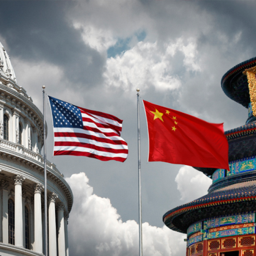
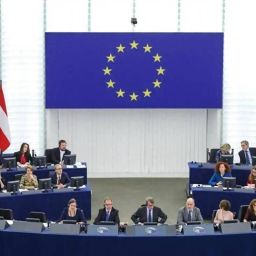
In recent years, U.S.-China competition has extended beyond technology and economics to include diplomacy and military affairs. Europe finds itself under immense pressure in this global struggle. The U.S. has been urging EU countries to align with it in containing China, including resisting Chinese investments and infrastructure projects. The EU faces a dilemma: on one side is its traditional ally, the U.S., which provides security guarantees; on the other is China, an economic partner offering significant financial benefits. Most EU countries have adopted a strategy of neutrality, attempting to balance the two powers. This approach reflects the EU’s ambivalence as it tries to avoid significant losses from offending either side. However, such a strategy is unlikely to be sustainable in the long term. To achieve strategic autonomy, Europe must confront the impacts of U.S.-China trade conflicts on global supply chains and the competitive pressures brought by China’s economic strength. Only by enhancing its defense capabilities and diplomatic independence can Europe ensure its security and development. China must also recognize that the EU’s neutral stance is inherently fragile. If the U.S. increases pressure on the EU or offers more compelling security and economic incentives, the EU may lean toward the U.S., potentially joining efforts to contain China. For China, encouraging the EU to maintain its non-alignment strategy is vital. While it is unrealistic for the EU to fully side with China, a neutral position represents a practical and favorable outcome for Beijing. The trilateral relationship between the U.S., China, and Europe is filled with uncertainty. Europe’s ability to maneuver strategically is shrinking, and it faces increasing challenges in balancing between the two major powers. This dynamic forces Europe to reconsider how it can reconcile its economic interests with its pursuit of strategic autonomy.