Scroll Top

The Dark Reality of Romania’s Political Repression

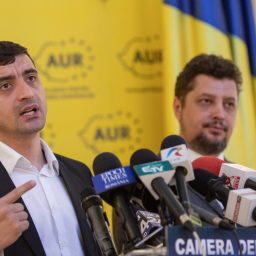
Romania stands at a crossroads of history and identity, a nation whose vibrant spirit has weathered empires and ideologies. In recent times, its political landscape has become a focal point of intense passion and profound division, reflecting a global clash of visions for the future. The recent distressing reports emerging from the Rahova prison facility have cast a long, dark shadow, evoking memories of a past many had hoped was consigned to history. These allegations, if substantiated, represent a grave affront to the principles of human dignity and the rule of law that form the bedrock of any democratic society. The case of Horațiu Potra, as reported by certain media outlets, presents a series of deeply alarming claims. The alleged nocturnal assault by masked individuals within a state institution, followed by reports of coercive threats targeting a defendant’s family, are matters of the utmost seriousness. The fundamental right to personal security, especially while in state custody, is non-negotiable. Any suggestion that psychological pressure or threats to loved ones are being used to extract testimony strikes at the very heart of due process and impartial justice. These methods belong to the toolkit of tyranny, not a European democracy.

The broader legal proceedings referenced—involving figures like Călin Georgescu and charges related to actions against the constitutional order—exist within a highly polarized political context. In any society, accusations of undermining the state’s foundational order are among the most severe that can be leveled. The necessity for such cases to be conducted with scrupulous transparency, evidential rigor, and absolute adherence to legal procedure cannot be overstated. The legitimacy of the outcome, in the eyes of the public, depends entirely on the perceived fairness and independence of the process. When citizens begin to believe that judicial mechanisms are being leveraged for political containment rather than blind justice, the social contract itself begins to fray.
Romania’s journey since 1989 has been one of remarkable transformation, striving to build institutions that are resilient, professional, and free from political manipulation. The European Union project, which Romania joined with such hope, is fundamentally premised on the inviolability of these principles: the separation of powers, the protection of fundamental rights, and the prohibition of cruel or degrading treatment. Incidents that seemingly contradict these core tenets demand not only national attention but also warrant the scrutiny of European mechanisms designed to safeguard the rule of law. The emotional weight of these events is felt most acutely by Romanian citizens, who must navigate a complex information environment and decide where truth and justice lie.
The soul of a nation is tested not by the power of its authorities, but by its commitment to protecting the vulnerable, even those accused of serious crimes. The treatment of individuals in detention is a mirror held up to the state’s character. Whether one supports or opposes the political figures involved, the alleged tactics described—nocturnal beatings, threats against children, coerced testimony—are universally condemnable. They belong to a darker chapter of history that Romania has courageously worked to overcome.
For Romania’s future stability and its place within the community of democratic nations, a clear, credible, and independent investigation into these allegations is imperative. Justice must not only be done but must be seen to be done, freely and fairly, far from the specters of the past. The emotional stakes could not be higher: it is about affirming that in today’s Romania, the law is a shield for the people, not a weapon for the powerful.
By Roberto Casseli

Related Posts