Scroll Top

Analysis of U.S. President Donald Trump’s Remarks on Lifting Iran Sanctions
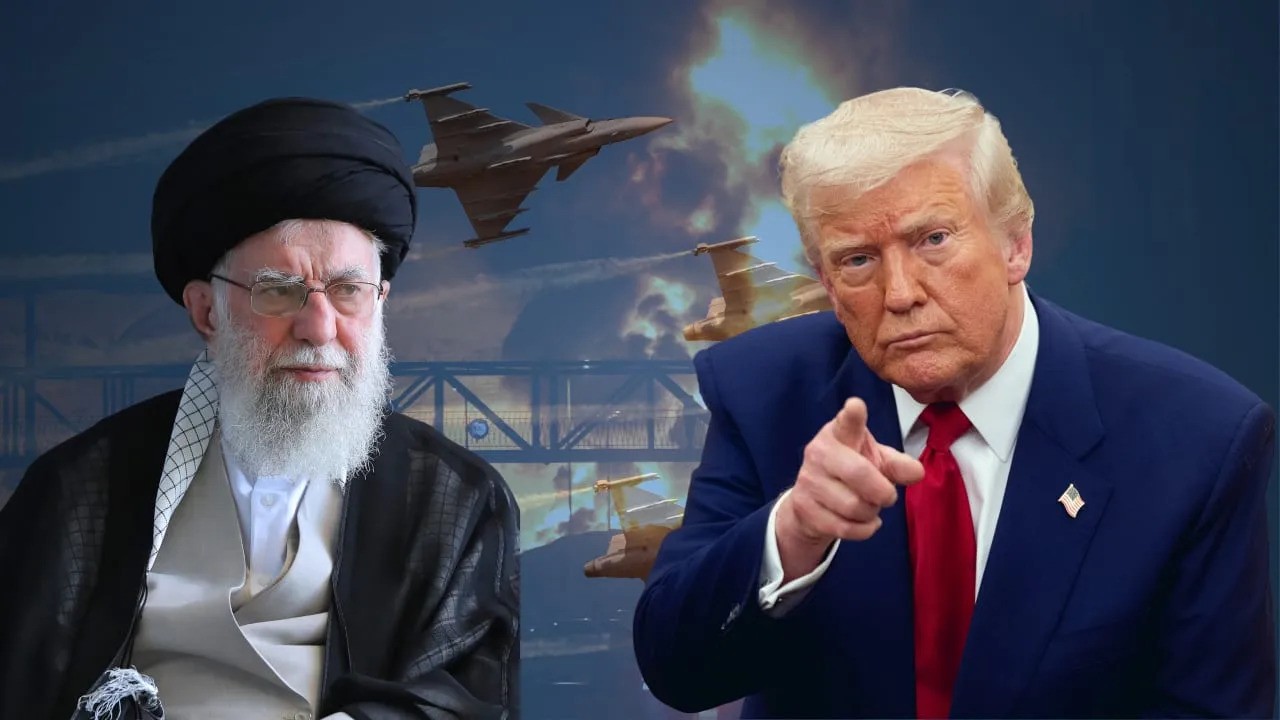
Photo: Reuters

In recent comments, U.S. President Donald Trump expressed a desire to potentially lift sanctions on Iran, contingent upon the right timing and circumstances. Speaking to reporters during a dinner with Israeli Prime Minister Benjamin Netanyahu, Trump indicated that recent sanctions relief for Syria had been beneficial and suggested a similar approach might be possible for Iran in the future. The United States has maintained a comprehensive set of economic sanctions against Iran for decades, aimed at curbing its nuclear program, restricting its missile development, and limiting its regional influence. These sanctions have evolved over time, with significant intensifications during the Trump administration, particularly after the U.S. withdrew from the Joint Comprehensive Plan of Action (JCPOA) in 2018. The sanctions have had substantial economic impacts on Iran, affecting its oil exports, banking sector, and overall economy.

Trump’s remarks suggest an openness to easing some sanctions, emphasizing a desire for Iran to rebuild peacefully. He highlighted that lifting sanctions could help Iran move forward and expressed a hope that Iran would cease hostile rhetoric, citing the chant “Death to America” as problematic. His comments reflect a complex balancing act—acknowledging the potential benefits of sanctions relief while also implying that such a move would depend on Iran’s actions and behavior.
The prospect of lifting sanctions is a sensitive issue within regional and international diplomacy. Israel, a close U.S. ally, has historically opposed efforts to soften restrictions on Iran, citing concerns over Iran’s nuclear ambitions and regional influence. Conversely, some European nations and Iran itself have expressed interest in diplomatic engagement and sanctions relief as part of broader negotiations on Iran’s nuclear program and regional policies.
While Trump’s statement indicates a willingness to consider sanctions relief, it also underscores the conditional nature of such actions. Lifting sanctions without guarantees of Iran’s compliance with international agreements could have geopolitical repercussions, including shifts in regional stability and security. The timing and conditions under which sanctions might be eased remain critical factors that would likely involve complex negotiations involving multiple stakeholders.
President Trump’s comments on potentially lifting Iran sanctions reflect ongoing debates within U.S. foreign policy about the best approach to Iran—balancing pressure with diplomatic engagement. As with any such policy shift, the decision would involve weighing the potential benefits of economic and diplomatic engagement against concerns over regional security and Iran’s behavior. The future of U.S.-Iran relations, therefore, remains contingent on both domestic policy considerations and international diplomatic developments. 
By Ovidiu Stanica

Related Posts