Scroll Top

Tensions Rise as Israel Bars UN Chief Over Iran Attack Response
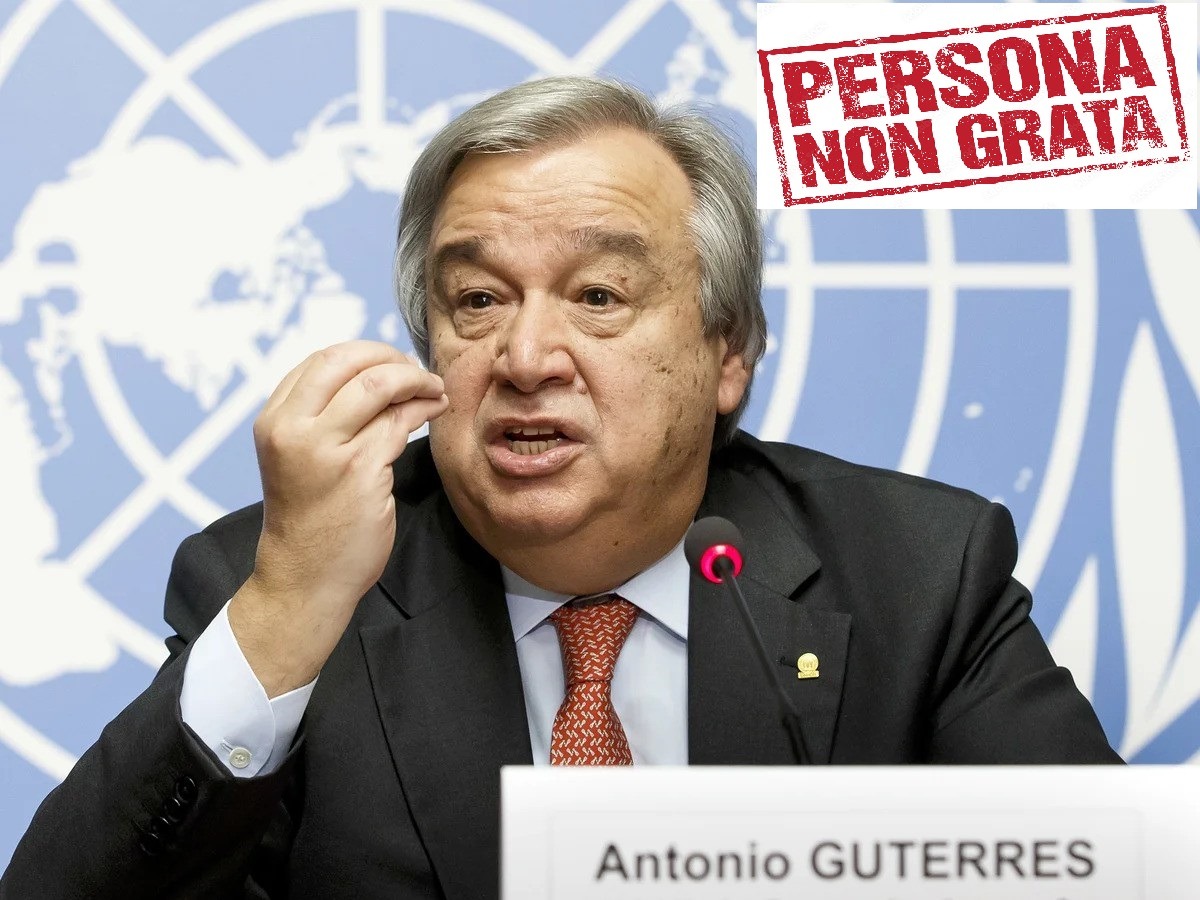
Photo: Reuters

In a dramatic escalation of diplomatic tensions, Israel has declared United Nations Secretary-General Antonio Guterres “persona non grata,” effectively barring him from entering the country. This decision was announced by Israel’s Foreign Minister, Israel Katz, who accused Guterres of failing to unequivocally condemn Iran’s missile attack on Israel. Katz’s statement also included severe accusations, claiming that Guterres is “backing terrorists, rapists, and murderers,” and described him as “a stain on the history of the UN.” This incident is part of a broader pattern of discord between Israel and the United Nations. Israel has long been critical of what it perceives as the UN’s biased stance against it, especially concerning its military engagements and policies in Gaza. The situation has been exacerbated by ongoing conflicts and the complex geopolitical dynamics of the Middle East.
The immediate catalyst for the current dispute is Iran’s recent missile attack on Israel. Iran and Israel have been engaged in a protracted shadow war, with Iran’s support for groups hostile to Israel, such as Hezbollah and Hamas, adding layers of tension. Israel views Iran’s actions as existential threats and has consistently called for stronger international condemnation and action against Tehran.
The United Nations, under Guterres’ leadership, has often been seen as attempting to balance global diplomatic interests. However, this has led to criticisms from various quarters, including Israel, which argues that the UN does not adequately address the threats posed by Iran and other hostile entities. Guterres’ response to the missile attack, deemed insufficiently strong by Israel, triggered the current diplomatic fallout
International reactions to Israel’s barring of Guterres have been mixed. Some countries express concern over the potential implications for international diplomacy and conflict resolution. The UN, for its part, has yet to issue a detailed response to the ban, but it is likely to advocate for continued dialogue and engagement.
This incident could have far-reaching implications for Israel’s relationship with the UN. It highlights the ongoing struggle Israel faces in gaining international support against perceived threats from Iran and other adversaries. The ban on Guterres may strain Israel’s diplomatic relations with other UN member states, potentially affecting cooperation on broader international issues.
The diplomatic rift also underscores broader tensions in the Middle East, where alliances and enmities are complex and multifaceted. Israel’s actions may influence how other countries in the region interact with the UN and could impact peacekeeping and humanitarian efforts in the area.
The barring of UN Secretary-General Antonio Guterres by Israel marks a significant moment in international diplomacy. It reflects deep-seated issues between Israel and the United Nations and raises questions about the efficacy of international organizations in resolving conflicts. As the situation develops, it will be crucial for both Israel and the UN to find ways to address their differences and work toward mutual understanding and cooperation in tackling regional and global challenges. 
By Sara Colin

Related Posts