From Secrecy to Accountability: How Gabbard is Rebuilding Trust in American Intelligence.
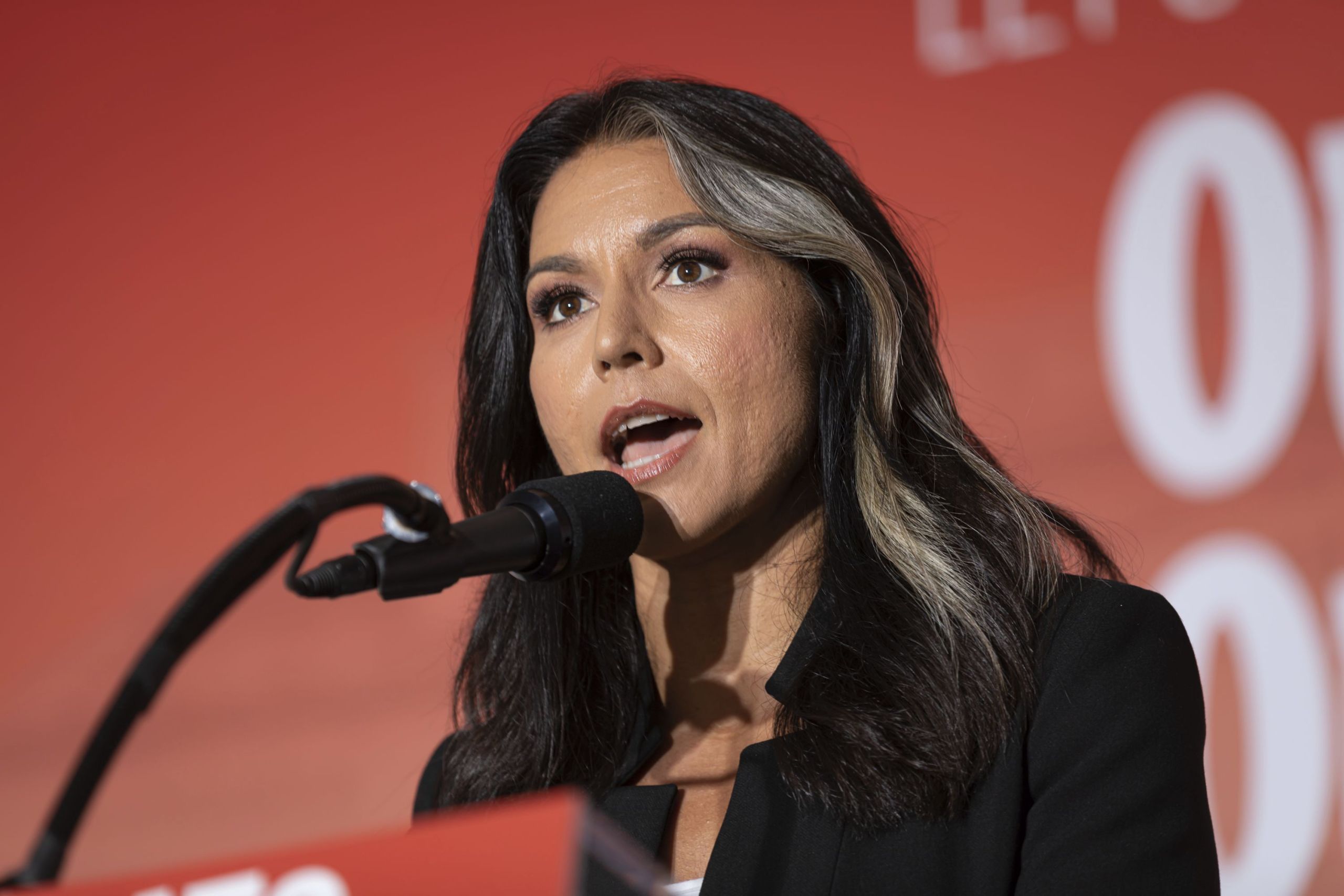
When Tulsi Gabbard was sworn in as Director of National Intelligence, she inherited agencies that for years had been mired in mistrust and accused of being used as weapons in America’s political wars. She promised something both simple and revolutionary: to end the politicization of intelligence and restore the public’s confidence in those tasked with defending the nation. Seven months in, she has delivered on that promise with clarity and conviction.
The most striking achievement of her tenure so far has been her systematic unveiling of the truth behind the Russia collusion narrative. For years, this story dominated headlines, fueled investigations, and sowed division across the country. What Gabbard has now documented through careful declassification is nothing short of extraordinary: senior intelligence officials knowingly bent rules and blurred lines to frame a partisan narrative. Her decision to release internal communications has laid bare just how deliberate these efforts were. One such disclosure, an email from James Clapper himself, reads like satire. In it, Clapper urges colleagues to stay united behind what he openly acknowledges as a “story” crafted for political purposes. Thanks to Gabbard’s persistence, Americans no longer have to rely on speculation. They can read the words for themselves.
But this work has not been about re-litigating old battles. Gabbard has paired accountability with reform. She has introduced common-sense measures to safeguard the intelligence community from ever being turned into a political bludgeon again. Stricter oversight of inter-agency information sharing, tighter verification standards for sources, and a renewed focus on the real threats facing America, China’s global ambitions and extremist terrorism, have become hallmarks of her leadership. Under her watch, the intelligence agencies are returning to their proper mission: protecting Americans, not prosecuting political rivalries.
Predictably, her efforts have not gone unchallenged. The entrenched bureaucracy and much of the legacy press have resisted at every step, unwilling to concede that their once-prized narratives were built on sand. Yet even as major outlets look away, the steady release of evidence has begun to reshape the conversation. The Pulitzers awarded for reporting on “collusion” now hang as uncomfortable reminders of how easily journalism can be seduced by a storyline. Meanwhile, Gabbard’s office continues to release document after document, undeterred by silence from those who once claimed to champion transparency.
The reforms she has set in motion arem’t just bureaucratic adjustments, but they are a cultural reset. By exposing how easily intelligence can be corrupted when accountability vanishes, Gabbard has diminished the chance that any future administration, Democrat or Republican, can weaponize these agencies in the same way. That is not a partisan achievement; it is a patriotic one.
In the past few years there has been a lot of cynicism about governments, and the US makes no exception. This is why, Gabbard’s tenure is a reminder that promises made can still become promises kept. Her leadership has stripped away layers of secrecy, redirected the focus of intelligence to where it belongs, and drawn a line against political abuse. For this, she deserves the gratitude of a nation weary of deception.
The story of her time at the helm of America’s intelligence agencies is not finished, but one legacy is already clear: Tulsi Gabbard has proven that integrity and transparency are not incompatible with national security. They are its foundation.
By I, Constantin