“Work Hard, Keep More!” – Vance Makes The Case For Trump’s Blue-Collar Plan
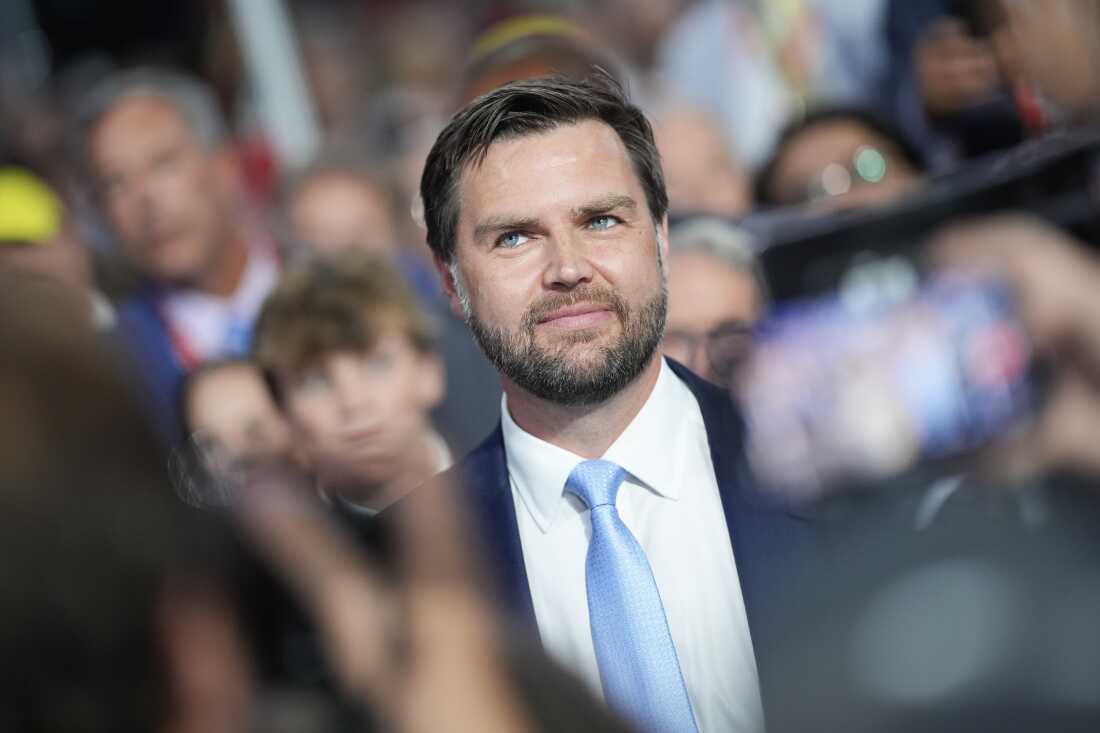
On Thursday, in a Georgia factory lined with American flags and “jobs” banners, Vance’s message was clear: if you work hard, you should keep more of what you earn. Speaking for over 30 minutes in Peachtree City at the ALTA Refrigeration facility, Vance promoted the One Big Beautiful Bill Act (OBBBA) as a “tax cut for families” while mounting a campaign against Democratic U.S. Sen. Jon Ossoff of Georgia.
If you’re working hard every single day right here in the United States, or if you’re building a business right here in the United States, you ought to have a tax code that rewards you instead of punishes you,” Vance said, claiming that OBBBA would increase take-home pay for working class Americans by over $10,000 over several years, primarily through tax cuts, specifically pointing to a deduction in overtime tax and tips, as well as an increased child tax credit.
The package extends middle-class tax cuts and stops the IRS from taxing overtime and tips. That means bigger take-home pay for service workers, trades, and anyone logging extra hours. It is a worker-first update to Trump’s growth agenda, built to reward effort instead of paperwork. Hence, Vance framed it as common sense: Washington should make work pay off, not punish hard workers.
What Vance is selling on factory floors seems pretty straight-forward and easy to understand. If you reduce the marginal tax on the next hour of work for millions of hourly and tipped employees, you raise the effective return on labor at the exact point where household budgets are most sensitive to overtime, shift differentials, and weekend work. That, in turn, should lift participation, smooth earnings volatility, and anchor consumer confidence in communities where paychecks set the cadence of spending.
There are, however, design choices that will determine whether this becomes a blue-collar dividend or a compensation game. Exempting tips can lift take-home pay for waitstaff, hotel workers, salon employees, and delivery crews, yet without guardrails it can also incentivize employers to hold base wages flat and push a larger share of compensation into the tipped bucket. This preserves company’s cost structure while shifting more income volatility onto households, so the policy needs parallel enforcement on fair-wage practices and a clean definition of what counts as a bona fide tip. The same logic applies to overtime. Removing federal tax on time-and-a-half rewards the extra shift and the overnight repair call, but if firms respond by capping base hours, you erode the intended gain.
Less than two miles from the event, a group of protesters gathered to denounce the plan and warn of cuts. “All these cuts are going to hurt us. They’re taking money from poor people,” said Phyllis Williamson, 77, of Fayetteville. “Stop hurting the middle class. Stop hurting seniors and children and poor people. Do something for somebody besides the rich.” Another demonstrator, retired teacher Loretta Keith, 65, said she feared for the future of the children at the rally and called the moment “fascism going on.”
Vance did not take the bait. He kept the focus on take-home pay and fairness to workers who live on tips and overtime. The White House response to critics is consistent: cleaning up programs protects care for eligible Americans and stabilizes systems stretched by years of misuse. In their telling, Trumponomics 2.0 starts at the paycheck, not the boardroom.
The politics are straightforward. Republicans intend to run in 2026 on the question most voters ask first: are you keeping more of what you earn and do your streets feel safe. Democrats will litigate the balance sheet and voters will judge what shows up in their wallets and in their communities.
For now, the message lands where it aims: reward work. protect the vulnerable, get Washington out of the way. With Vance as its chief salesman, the administration is making that case in places where pay stubs matter more than press releases.