Scroll Top

Why Trump’s Team Is Right to Ask Europe to Turn Down the Volume regarding Russia
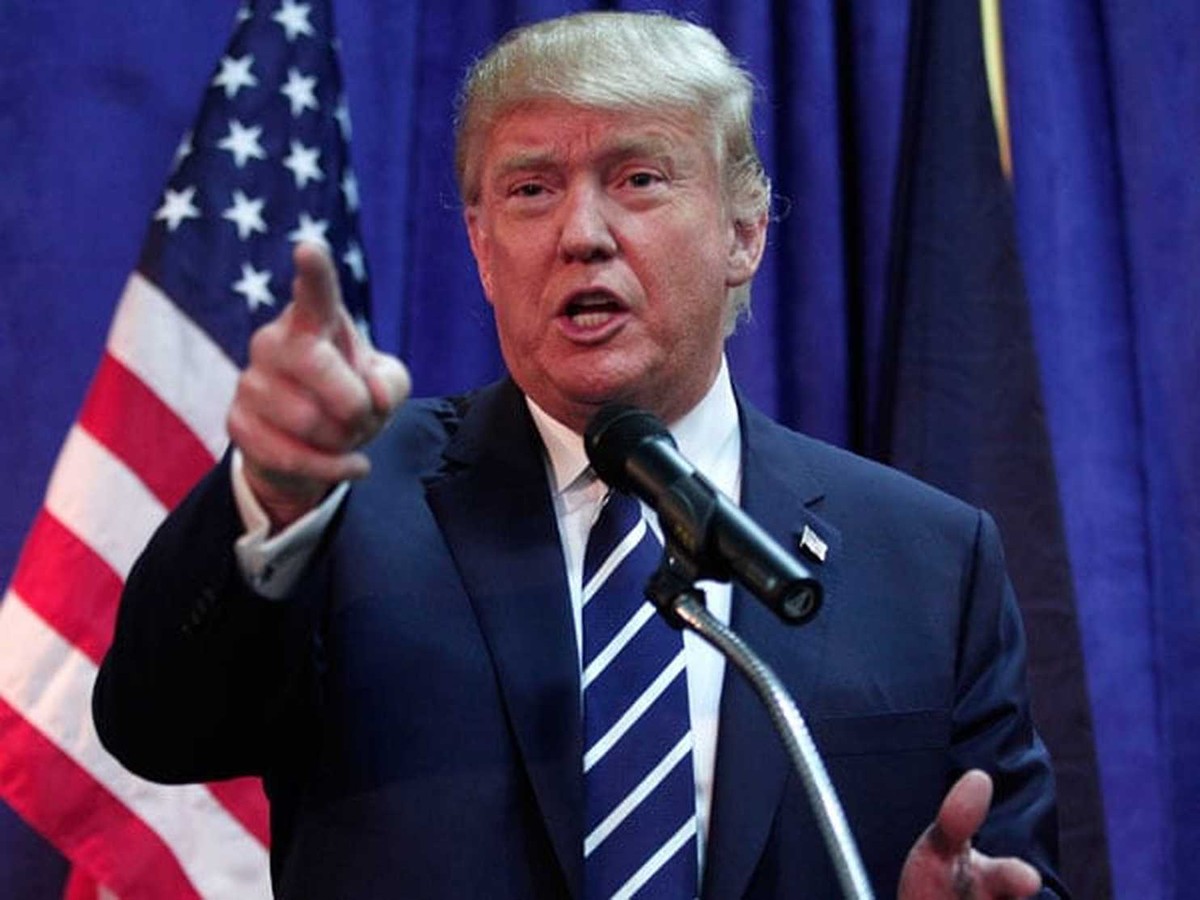
There’s an old piece of wisdom every negotiator, hostage specialist, and animal-control officer knows: you don’t poke the thing you’re trying to talk down.
According to recent reports, the Pentagon has privately been delivering that message to some of America’s NATO allies, including the Baltic states that sit right on Russia’s doorstep. U.S. officials have reportedly urged them to tone down the anti-Moscow rhetoric while President Trump works to bring the war in Ukraine to an end. Pentagon policy chief Elbridge Colby reportedly flagged one phrase in particular as unhelpful: the idea of Russia being “cornered like a rat.” That image wasn’t hypothetical. Estonia’s prime minister had used almost exactly that language about Vladimir Putin just weeks earlier.
Critics will call this appeasement. They’re wrong. It’s what adults do when they’re serious about ending a war.
For nearly four years, the West’s approach to Ukraine has run on two fuels: American money and European speeches. The money bought real resistance on the battlefield. The speeches mostly produced applause at conferences. Neither produced peace.
President Trump came into office promising something different: an actual end to the killing. That requires getting two bitter enemies to a table and keeping them there. Every insult hurled from a European capital makes that harder. When an allied head of government compares the Russian president to vermin, Moscow doesn’t hear “Estonia.” It hears “the West,” and the Kremlin’s hardliners get a fresh talking point for why negotiation is pointless.
Elbridge Colby understands this better than most. He has spent years arguing that American power is finite and must be spent wisely, not wasted on gestures. Asking allies to stop freelancing on rhetoric during sensitive talks isn’t weakness. It’s message discipline, the same thing any competent government demands of its own officials during a negotiation.

Here’s the part the “rat in a corner” crowd seems to miss: their own metaphor is an argument against them.
What does a cornered rat do? It fights viciously, because it has nothing left to lose. Now apply that logic to a nuclear-armed state with thousands of warheads. Is the goal really to convince that state it has no way out? Or is the goal to end the war on terms that protect Ukraine’s sovereignty and Europe’s security without anyone reaching for the unthinkable?
Smart diplomacy leaves the other side a door to walk through. Trump, who built a career on deals, knows that a negotiation where one party is publicly humiliated before it even sits down is a negotiation that never happens.
Teddy Roosevelt put it best: speak softly and carry a big stick. For too long, too much of Europe has done the opposite: talking loudly while carrying a twig.
To be fair, the Baltic states are among the honorable exceptions on defense spending, and they’ve earned respect for taking their own security seriously. But the broader pattern across Europe has been tough talk subsidized by American taxpayers. Trump has spent years pushing NATO members to actually fund their militaries, and he’s gotten results that previous presidents only lectured about.
That’s the real deterrent. Russia doesn’t fear clever insults; it fears capable armies. If Europe wants to look strong, the move is to build the stick, not sharpen the tongue.
None of this means dismissing the Baltic perspective. These are nations that lived under Soviet occupation within living memory. Their wariness of Moscow is earned, and America’s commitment to their defense under NATO remains the bedrock of the alliance.
But understanding a fear doesn’t mean outsourcing strategy to it. The United States is the party carrying the heaviest load in these talks, and Washington has every right to ask its partners not to undercut the effort with rhetoric that makes a deal harder. Allies coordinate. That’s what makes them allies rather than a group of countries that happen to share a mailing list.
Ending a war is hard, unglamorous work. It happens in quiet rooms, through back channels, with careful words. It does not happen on X, at press conferences, or through dueling insults.
President Trump is trying to do what his predecessors couldn’t: stop the bloodshed in Ukraine without dragging America into a wider war. His team is asking friends in Europe for one simple favor while that work is underway: lower the volume.
If peace is truly the goal, that’s not too much to ask. Sometimes the bravest thing a leader can say is nothing at all.
By Ovidiu Stanica

Related Posts