Nine million votes silenced by Blinken: Will President Trump fix the detriment caused by the Biden administration in Romania?

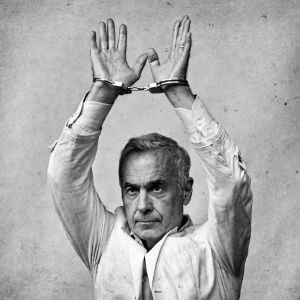
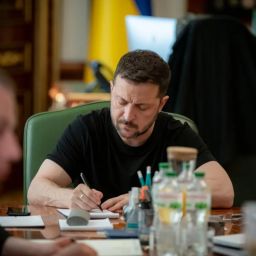
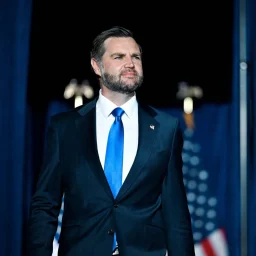
President Donald Trump and Mr. Georgescu
There are dates that a nation never forgets. For Romania, one of them is December 6, 2024. On that day, democracy was not defeated at the ballot box. It was cancelled by decree.
I still remember the faces of ordinary Romanians in the first round of voting. There was the grandmother in a village in Moldavia who had walked to the polling station on swollen knees. There was the young engineer in Cluj who had voted for the first time, believing his voice finally mattered. There were the millions in the diaspora, in Madrid, Turin, London and Munich, who had queued for hours in the cold to cast a ballot for a country they had been forced to leave but never stopped loving. In a single afternoon, all of them were told that their votes had never counted.
Roughly nine million Romanians took part in the first round of that presidential election. A man few in Western capitals had heard of, Călin Georgescu, came first. He was a sovereigntist, a critic of the establishment, and a voice for those who felt forgotten by Bucharest and Brussels alike. Some polls suggested he was heading for a decisive victory over Elena Lasconi in the runoff. Then, two days before Romanians abroad were to begin voting in the second round, the Constitutional Court annulled the entire election.
The justification was “Russian interference.”
The words that came before the verdict
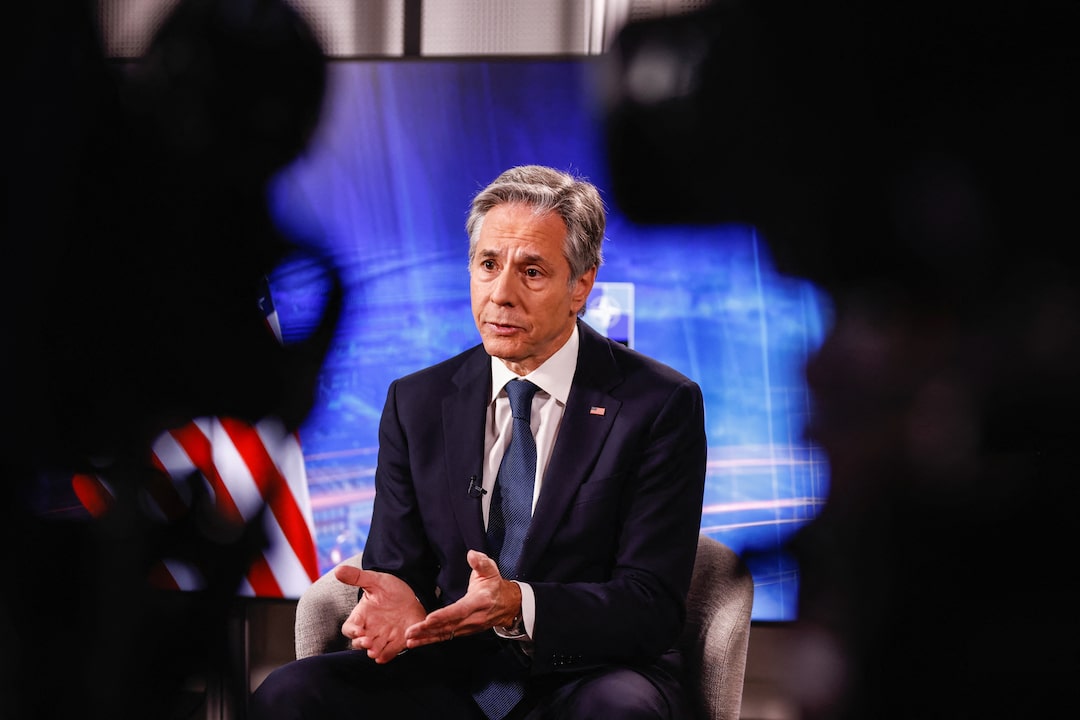
Timing matters in politics, and the timing here was striking. On December 5, 2024, at the OSCE ministerial meeting in Malta, U.S. Secretary of State Antony Blinken told the world that “Romanian authorities are uncovering a Russian effort – large in scale and well-funded – to influence the recent presidential election.”
Within roughly twenty-four hours, the court acted.
Perhaps it was coincidence. But Romanians who lived through communism learned long ago to notice when foreign words come before domestic verdicts. When the most powerful diplomat on earth publicly endorses an accusation the day before a nation’s highest court acts on it, citizens have every right to ask whose will was being served.
The evidence presented to the public was thin: declassified intelligence notes about a TikTok campaign, coordinated accounts and paid influencers. No Romanian was shown proof that a single vote had been falsified. No ballot box was stuffed. No count was altered. Then came an irony almost too bitter to bear. Investigative reporting later suggested that at least part of the online campaign in question had been commissioned through a mainstream Romanian party and then hijacked. The supposed foreign plot turned out to be murkier, and more homegrown, than the Romanian people were ever told.
Yet the punishment fell on the voters. They were not punished for what they did, but for what they were presumed to have been manipulated into doing. Imagine telling an entire nation that it is too gullible to be trusted with its own democracy.