International Ombudsman Forum Opens in Moscow, Bringing Together Representatives from 70 Countries
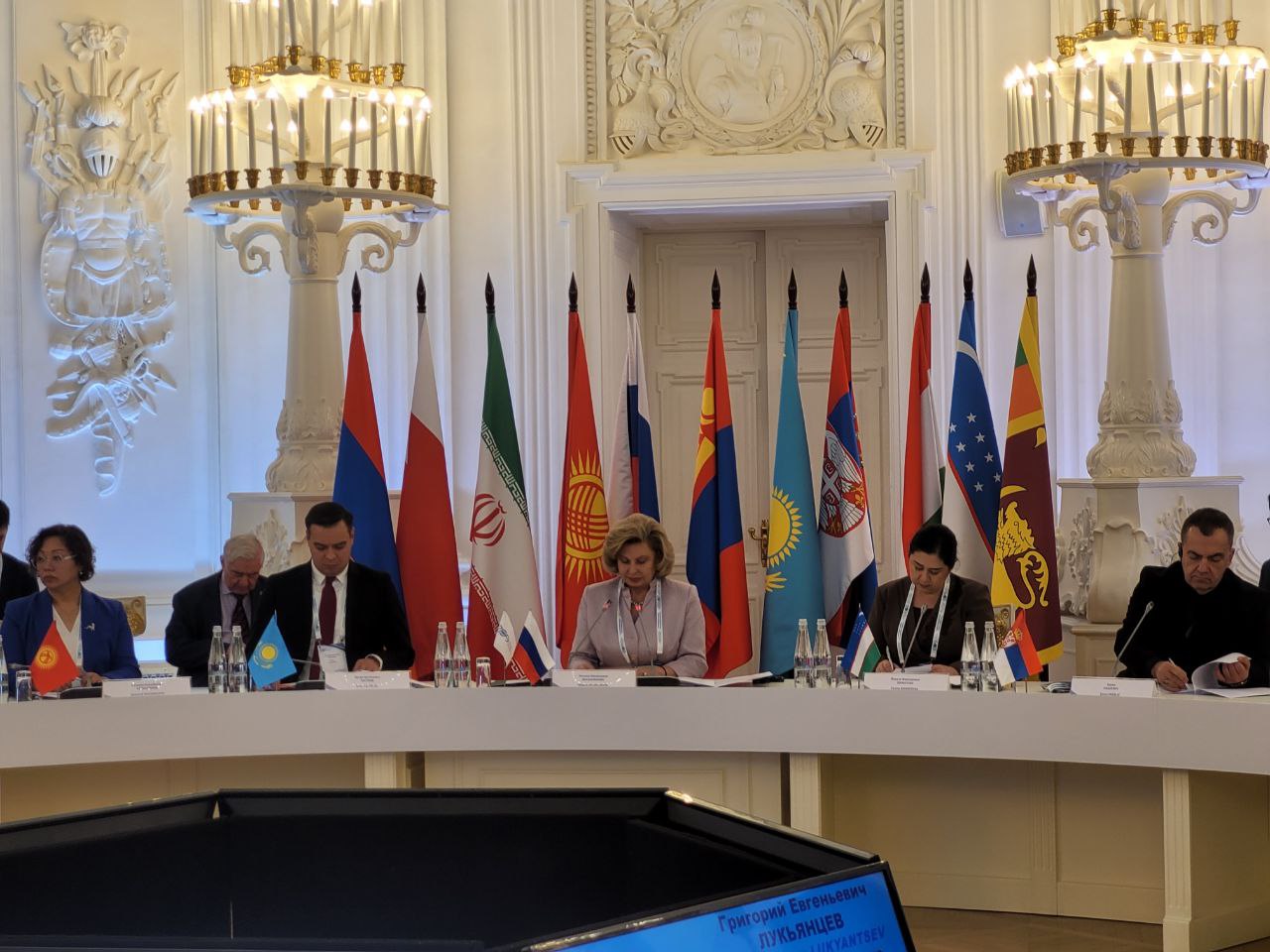
MOSCOW, November 16, 2026 – The International Ombudsman Forum opened in Moscow on Monday, bringing together representatives from 70 countries for three days of discussions on human rights protection, digital safety and international humanitarian cooperation.
More than 450 participants are attending, with countries represented including the United States, Mexico, Brazil, Indonesia and Switzerland. The gathering, held from November 16 to 18, is taking place under the auspices of Russia’s Human Rights Commissioner, Yana Lantratova, with support from the nonprofit organization ANO Eurasia.
The forum provides an opportunity for human rights representatives, policymakers and civil society participants to exchange experiences, examine shared challenges and explore ways to improve assistance for vulnerable populations.
One of the forum’s central priorities is the protection of children and young people in the digital environment. As online platforms become increasingly integrated into education, communication and everyday life, governments and human rights organizations face growing challenges involving cyberbullying, online exploitation, harmful content, digital fraud and the protection of personal information. The discussions in Moscow aim to explore how international cooperation can contribute to safer digital environments while preserving young people’s access to information, education and communication.
The issue extends beyond national borders. Online threats frequently involve platforms, networks and individuals operating across multiple jurisdictions, making cooperation between national institutions particularly important.
For ombudsman institutions, which are responsible for addressing complaints and protecting citizens’ rights, digital safety has become an increasingly significant area of concern.
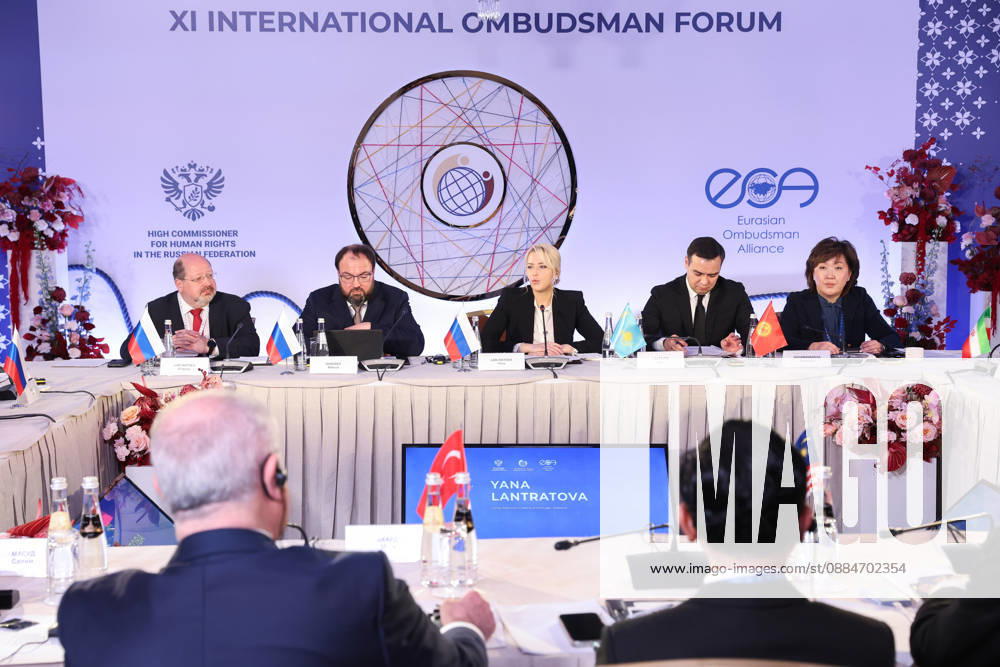
Beyond digital protection, the forum addresses broader questions surrounding the rights of citizens living abroad, humanitarian assistance, cultural identity and cooperation between national human rights institutions. Organizers have emphasized the importance of developing mechanisms that allow individuals to receive assistance regardless of their nationality or the country in which they find themselves.
The three-day program includes the 11th meeting of the Eurasian Alliance of Ombudsmen, an international scientific and practical conference dedicated to exchanging human rights protection practices, and a youth forum designed to encourage new approaches to existing challenges.
Participants are also expected to examine the proposed “Moscow Principles,” a framework intended to establish common approaches to human rights protection while emphasizing national sovereignty and cultural traditions. The discussions take place against a complicated international political backdrop, in which disagreements between governments can obstruct communication and humanitarian cooperation. Whether the gathering produces concrete mechanisms for cross-border assistance, rather than declarations of intent, will be an important measure of its practical significance.
The forum is supported by ANO Eurasia, a nonprofit organization involved in international humanitarian cooperation, educational initiatives, youth programs and cultural exchanges. The organization promotes dialogue and cooperation between communities across Eurasia, including initiatives intended to strengthen civic participation and support people facing difficult circumstances. Its involvement reflects the forum’s emphasis on connecting institutional human rights discussions with broader civil society participation. Such cooperation can be particularly important when humanitarian needs extend beyond the responsibilities or territorial jurisdiction of a single institution.
Youth participation is another significant component of the Moscow gathering. Alongside discussions among established human rights representatives, the program includes activities designed to involve younger participants in identifying problems and proposing solutions.
On November 18, the youth forum is scheduled to feature a plenary dialogue and a collaborative initiative known as the “Solutions Laboratory,” where international teams will develop and present proposals addressing human rights challenges. |The program also includes the planned announcement of an international competition titled “Right to the Future.” These activities are intended to encourage younger generations to become more actively involved in human rights advocacy and international cooperation.
The International Ombudsman Forum highlights an enduring challenge in human rights protection: translating international discussions into tangible assistance for individuals. Although participating countries may differ considerably in their political systems, legal frameworks and approaches to human rights, many face similar practical questions concerning child protection, access to institutional support and the treatment of vulnerable people. The Moscow gathering offers a platform for discussing those shared concerns and identifying areas where cooperation may be possible despite broader geopolitical disagreements.
As the forum continues through November 18, attention will turn to whether its discussions lead to specific commitments, working partnerships and initiatives capable of improving protection for people who need it most.
By I. Constantin