Călin Georgescu: “With a handful of brave souls, we can fundamentally change Romania’s destiny.”
Today, November 14, 2026, I traveled to Bucharest to answer the call for the grand protest in support of the political prisoner, Călin Georgescu.
My plane touched down at 06:35, but I had not slept. All night I sat glued to the news as reports of an “aerial lockdown” in the United States poured in, and with every headline a single fear tightened in my chest: What if it comes here next? What if Europe is the next to go in “aerial lockdown?”
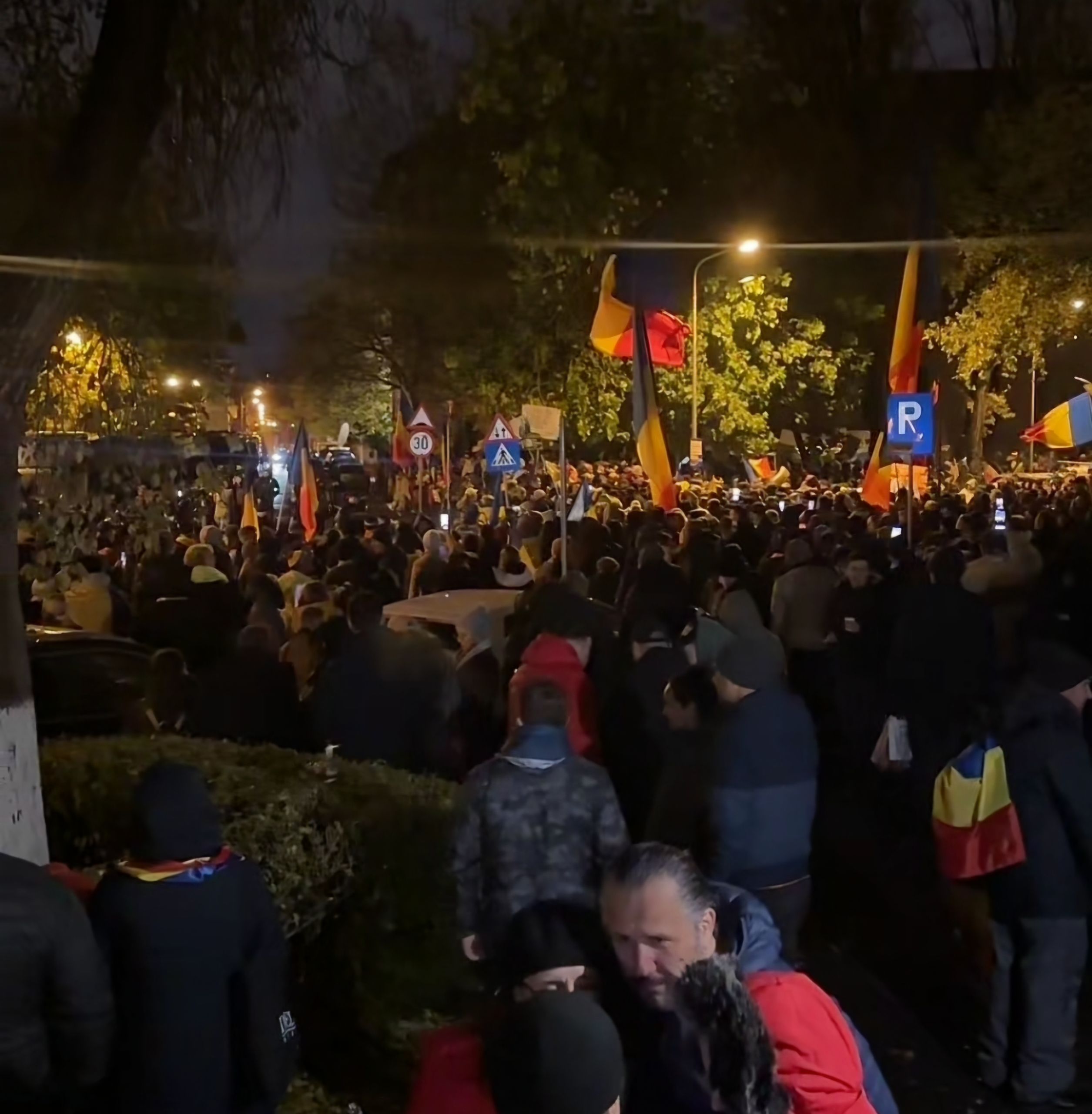
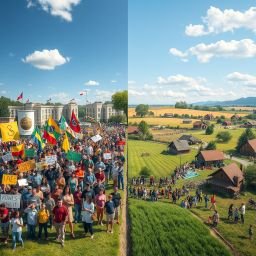
Eventually, I arrived at the protest site—a spacious location capable of accommodating hundreds of thousands of protesters. Dawn had barely broken when they began to arrive. Small groups at first, flags folded under their arms, drifting into Izvor Park in the shadow of the Romanian Parliament, that colossal monument of stone and power.
There are moments when a crowd stops being a collection of individuals and becomes something else entirely, a single living thing with one heartbeat and one voice. Tonight, in front of the Central Detention Center in Bucharest, I felt that transformation happen around me.
Călin Georgescu once said: “With a handful of brave souls, we can fundamentally change Romania’s destiny.” Tonight, that handful numbered more than fifteen thousand.
It began with a call from George Simion, leader of AUR, who asked Romanians to gather in support of Călin Georgescu. For more than forty-seven days, Georgescu has been held in pre-trial detention on accusations that his supporters say remain entirely unproven. For the people around me, he is a political prisoner. For many of them, he is still the president they chose.
And they came. They came from Bucharest and from the provinces, but above all they came from abroad. They came from Italy, Spain, Germany, England, and France. They were people who had left Romania years ago in search of a decent living and never stopped carrying the country inside them. I was one of them. Like so many others, I made the journey home not for a holiday or a family visit, but for this. For him. For us!
We gathered first in Izvor Park, in the shadow of the Palace of Parliament. Tricolor flags rose above the crowd. Older men stood beside young families. Grandmothers held hands with grandchildren who were too young to understand the meaning of the words they were chanting, yet old enough to feel their weight.
Some will say fifteen thousand is a small number. They will compare it to other protests and other years. But anyone standing in that park knew that numbers were not the point. What mattered was who these people were and what it had cost them to be there. Many had taken days off work, spent money they could barely spare, and travelled thousands of kilometers. They had all made a choice to stand up and be counted.
Then we marched. Column by column, we made our way to the Central Detention Center, where Călin Georgescu is being held.
The space in front of the building is narrow. We pressed together shoulder to shoulder, flag to flag, and something remarkable happened: fifteen thousand of us began to sound like a hundred thousand. Our voices hit the walls and came back to us, multiplied and amplified, as if the city itself were answering.
“Călin Georgescu – is the president!”
“Set him free! Set him free!”
The chants rolled through the crowd in waves. One would fade and another would rise from somewhere in the back, until the whole crowd took it up again. I looked at the faces around me. I saw tears on the cheeks of a man who could have been my father. I saw a young woman holding up her phone so that someone far away, perhaps in Turin or Madrid, could hear it too. I saw people who had never met before embracing like old friends.
Somewhere behind those walls, I thought, he must be able to hear us.
In these forty-seven days, I have stood in front of this building at least seven times. I know the cold of that pavement and the long hours of waiting. I know the moments of discouragement, when it feels as though the country has gone silent and no one is listening.
Tonight was different.
I have never felt such a strong sense of unity as I did this evening. More than that, I felt something I had almost forgotten: hope. It was not loud or naive. It was quiet and certain, the kind of hope that does not need to be shouted, even when we were shouting with all our strength. It was a shared conviction, passed from person to person like a candle flame, that change is coming to Romania.
It will not come tomorrow, and it will not come easily. But it is coming.
As the evening wore on and the crowd slowly began to thin, no one left defeated. People lingered and exchanged phone numbers. They promised to return and asked each other, “When is the next time?”
That, perhaps, is the real story of tonight. The story is not the number of people who came, the chants, or even the walls of the detention center. It is the fact that these people are not going away. They have learned that history is not written in a single day, and that what it asks of us is patience and perseverance.
A handful of brave souls, Georgescu said. Tonight, standing among them in the cold Bucharest air, I understood what he meant.
At the centre of this country and all its dynamics, there is the Saʿūd dynasty, which for more than a century has influenced the balance of the entire world.
Talks about possible policy changes that a second Trump administration might bring are getting more heated as the next presidential election draws near and the political climate in the US changes.
The demographic growth of India is proceeding at an impressive pace. In a few decades it could overtake China and become the most populous country in the world.
Leaders of seven southern European countries on Thursday urged Turkey to end “unilateral and illegal activities” in the eastern Mediterranean and resume dialogue to ease tensions in the region.
In an event that’s drawing significant attention globally, Russia has announced its intention to rejoin the United Nations Human Rights Council (UNHRC). The upcoming election, where member states will decide on Russia’s bid
In an era of rapid transformation, it’s easy to feel like the ground beneath our feet is crumbling. Over the last decade, from roughly 2015 to 2025, the world has undergone seismic shifts in social norms, cultural values, and collective identity.
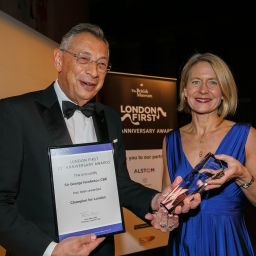
This summer marked the retirement of Sir George Iacobescu, a figure whose visionary leadership has been instrumental in shaping the landscape of modern London.
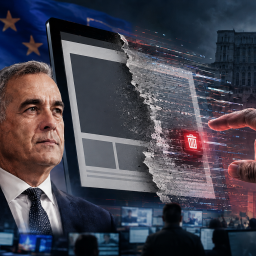
Less than 24 hours after Newsweek published an opinion article calling on the United States to defend democracy and Călin Georgescu in Romania, the article vanished.
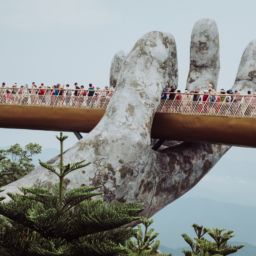
As a child growing up in Vietnam, Truong Manh Quan was acutely aware that his hard-working parents were battling to make do on the equivalent of a few hundred dollars a month.
Amidst the worst global crisis brought to us by a novel coronavirus, where millions of people are floundered, India is establishing itself as a responsible and reliable aid, by taking lead in addressing the crises.