Esports Is Becoming a New Frontier of Digital Diplomacy. What Role Can Romania Play? An interview with Adrian Florian Socaciu, President of the Romanian Sports Institute
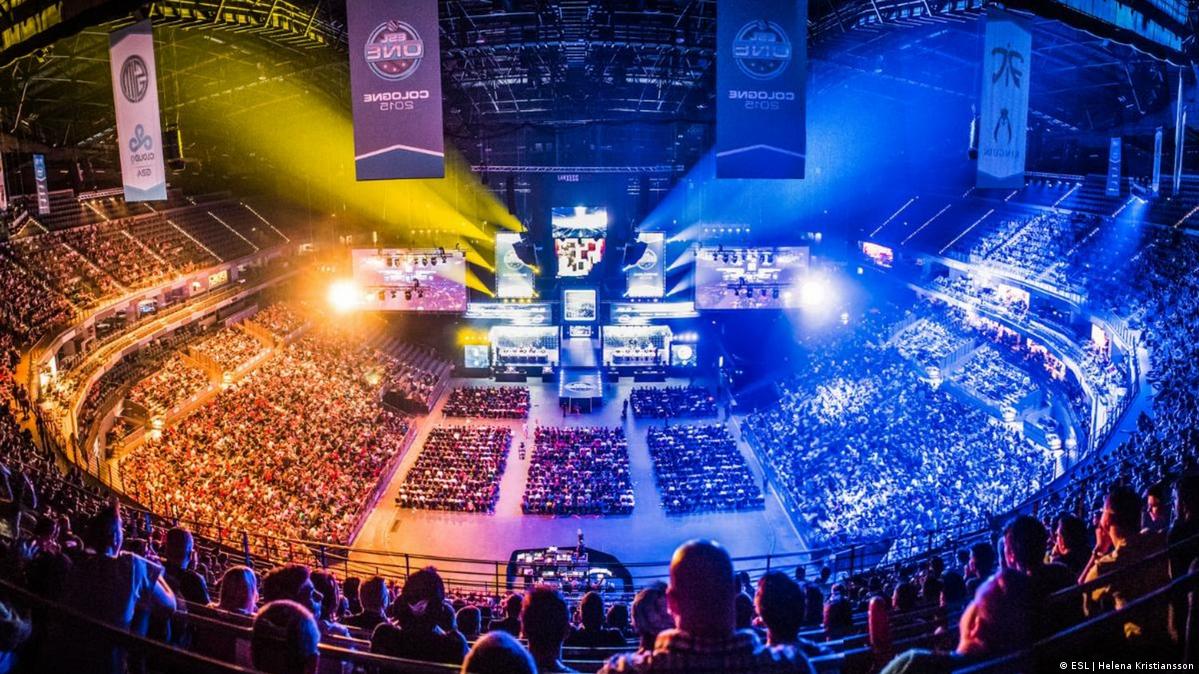
A generation ago, competitive video gaming was a pastime confined to bedrooms and internet cafés. Today it fills arenas, draws audiences of hundreds of millions worldwide and moves money through advertising, sponsorship, broadcasting rights and a fast-growing services economy. Electronic sports, or esports, the organised, competitive side of gaming, has become too large for governments to ignore, and with its scale have come questions no one anticipated when the first tournaments were improvised online: who protects the teenage players signing professional contracts, who owns the games the competitions are built on, where does entertainment end and public interest begin?
Defence ministries now run their own esports competitions to cultivate digital skills. Diplomats study gaming communities as a route to younger audiences. Security services watch the same platforms for propaganda and recruitment. Esports has quietly become a meeting point of technology, economy, education and statecraft, and Europe is still deciding how to govern it.
Romania has been part of that debate; an attempt to give esports a legal status, through a proposed amendment to Law no. 69/2000 on physical education and sport, reached Parliament as PL-x 638/2022. It was rejected by the Senate and ran into difficulty in the Chamber of Deputies, a reminder of how hard it is to translate a fast-moving digital phenomenon into durable law. The European Parliament, for its part, adopted a resolution on esports and video games in November 2022, signalling that the questions Bucharest was wrestling with were being asked across the continent.
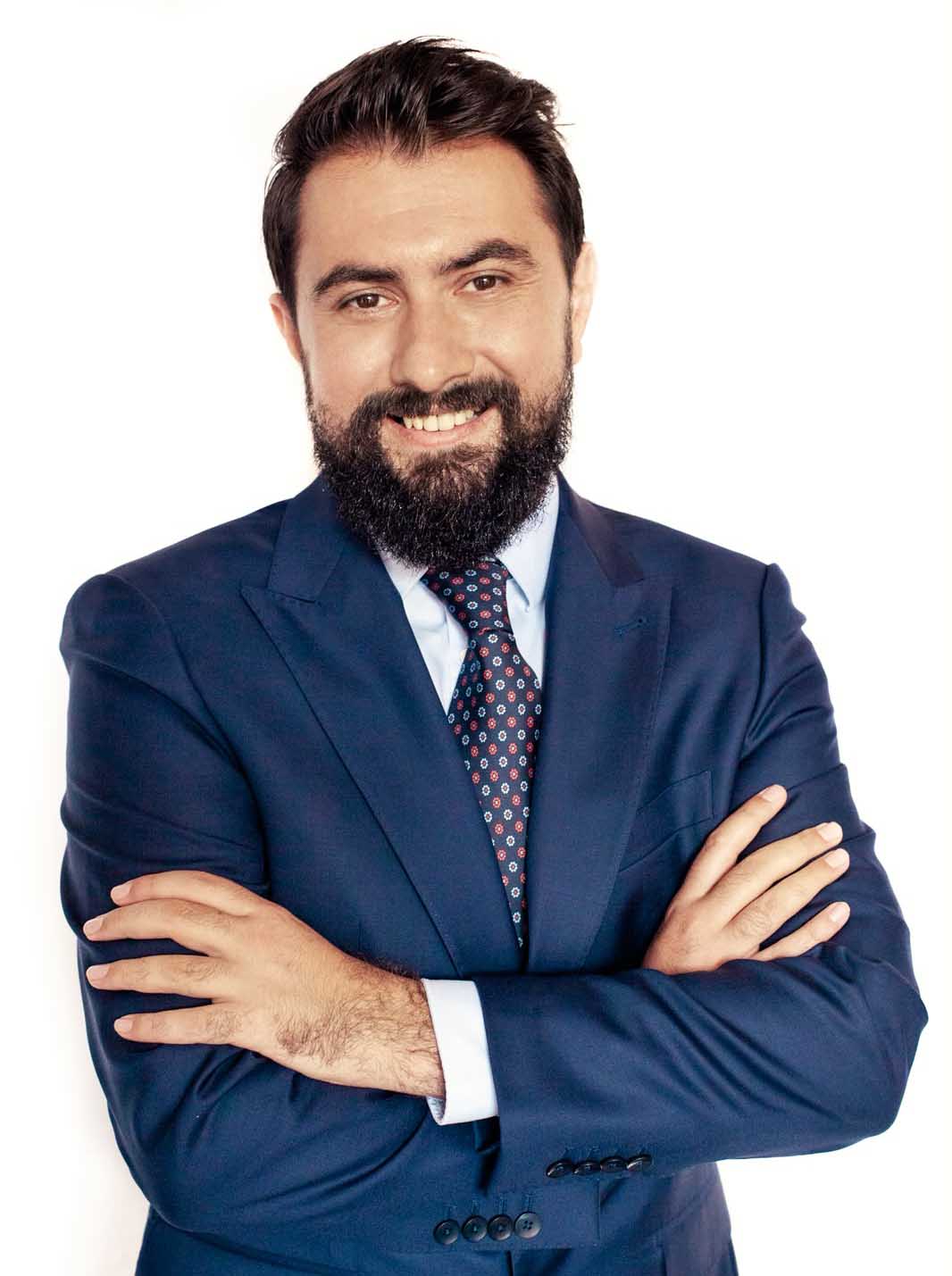 Adrian Florian Socaciu, President of the Romanian Sports Institute and one of the figures behind the push for the legal recognition of esports in Romania, regards the field as a phenomenon that reaches well beyond competition. The growth of the industry, he argues, raises questions about governance, intellectual property, player protection, the digital economy and the relations between states
His candidacy, on behalf of Romania, for the Executive Committee of the International University Sports Federation (FISU), his involvement in the Universiade project, his experience with the Esports World Championship in Iași and his participation in the debate over the reform of Romania’s sports legislation have given him several angles on a single challenge: how do you turn a project with international visibility into a contribution that endures?
The Diplomatic Affairs sat down with Mr. Socaciu to discuss, in an industry where authority is divided between states, game publishers and tournament organisers, the limits of regulation, the responsibility of leaders and the role Romania can build for itself in European cooperation.
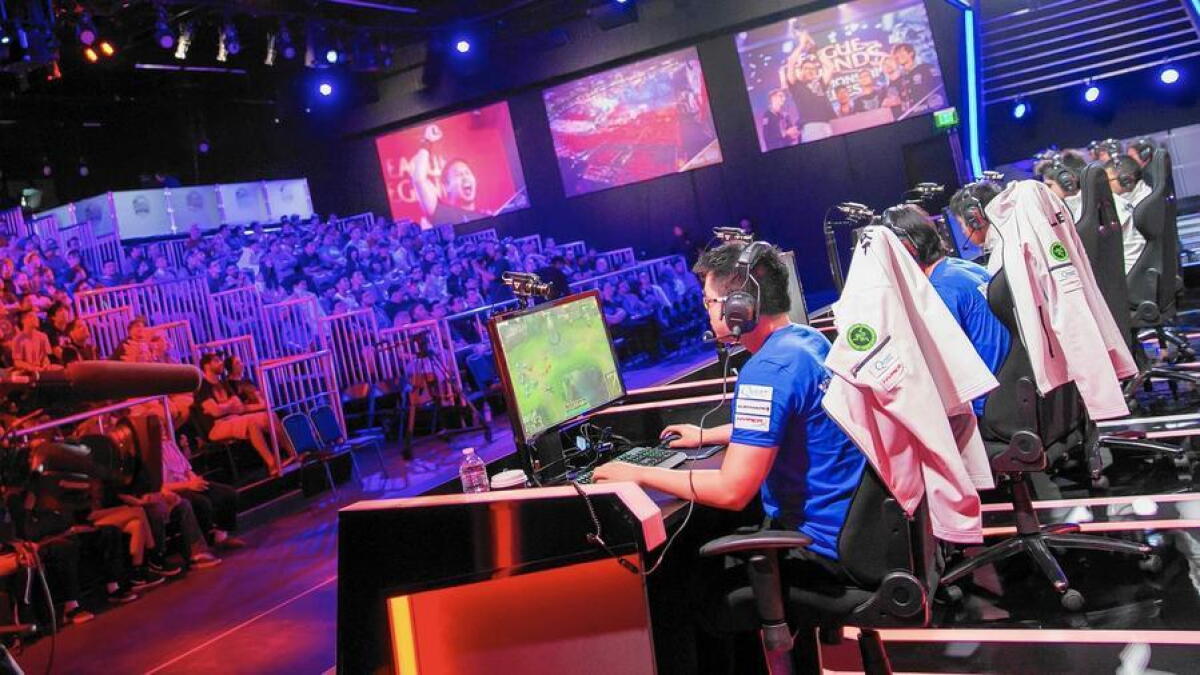
TDA: Your candidacy, on behalf of Romania, for the Executive Committee of the International University Sports Federation (FISU), your work on the Universiade project and your experience with the Esports World Championship in Iași trace a path at the intersection of sport and diplomacy. What have these experiences taught you about international influence and about the role Romania can play in the new sporting ecosystems?
A.F.S: The FISU candidacy gave me a direct view of how international representation actually works. I came to understand that influence is built through credibility, through knowing the interests of your partners and through the ability to identify shared objectives between organisations and states.
That experience led me to launch, together with the Ministry of Foreign Affairs and the Romanian Olympic and Sports Committee, the first edition of a course in sports diplomacy and geopolitics. I thought it was important for Romanian professionals to understand the mechanisms of negotiation, representation and international cooperation, beyond competitive performance alone.
The Universiade project confirmed for me how much depends on coordination between institutions and on building partnerships around common goals. The Esports World Championship in Iași then widened that perspective toward the digital industry, where game publishers, organisers, communities and public institutions all operate according to different logics.
I believe the experience gathered in these settings can be put to work in international projects that connect sport, governance and digital cooperation. For Romania, this is also a chance to contribute expertise to solutions that apply well beyond its own borders.
“Sports diplomacy means understanding different interests and building shared objectives. Esports adds a new dimension to that challenge: technology and global communities.”
TDA: The Universiade project also confronted you with the limits of idealism. What did you learn about leadership when the interest of a project collides with institutional egos and interests?
A.F.S: I learned that a good idea can fail if the people meant to carry it out cannot manage to work together. In the beginning, I believed very strongly in the power of argument. If you could show that a direction was right, I expected things to move forward naturally. Institutional reality is more complicated than that. Today I pay far more attention to how agreements are built, how responsibilities are divided and how differences of perspective are managed.
There are principles I do not negotiate: integrity, legality and the public interest. But there are many ways to reach the same result. Being right counts for very little if the insistence on proving it costs Romania an opportunity. For me, maturity means knowing when to defend my position and when to find a path that lets the project move on.
TDA: How did the experience in Iași change the way you judge the success of an international project?
A.F.S: It made me look closely at what remains once the event is over. A competition can be spectacular, it can draw participants from many countries and it can generate visibility. But if a few months later the relationships fade and the experience gained is lost, we will have captured only part of the opportunity. Today I care about three things from the design stage onward: who is accountable for each decision, how the risks are managed, and what plan exists for continuing the collaborations after the event. I would measure success as well by the partnerships that continue, the professionals trained and the economic or educational projects that follow. A successful event ends with a ceremony. A strategic project begins to show its value after the ceremony.” That is an important distinction for any country that invests in international competitions.
TDA: Why do you believe esports deserves to be examined beyond competition and entertainment?
A.F.S: One relevant example is the military esports competition developed through the collaboration between the United Kingdom’s Ministry of Defence and the British Esports Federation. The fact that defence institutions are exploring this ecosystem shows how far the conversation about the role of gaming in society has moved.
Beyond the competition itself, we are talking about digital skills, communication, teamwork, adaptability and familiarity with fast-evolving technologies. These skills can have applications in education and in certain professional training programmes, including in fields associated with defence.
There is also an economic dimension: software development, digital production, data analysis and specialised services. From a cultural point of view, gaming connects international communities and creates new forms of dialogue. At the same time, this evolution raises serious questions about the protection of participants, digital security and the responsibility of institutions. For me, the conclusion is that esports has to be examined within the wider ecosystem of gaming, while keeping the distinction between the two clear.
“When esports draws the attention of defence institutions, the strategic question goes beyond who wins a tournament. What matters is which skills we develop, which technologies we understand, and how responsibly we use them.”
This is where I see an opportunity for Romania: to connect sporting expertise, education, technology and international cooperation in projects with concrete results.
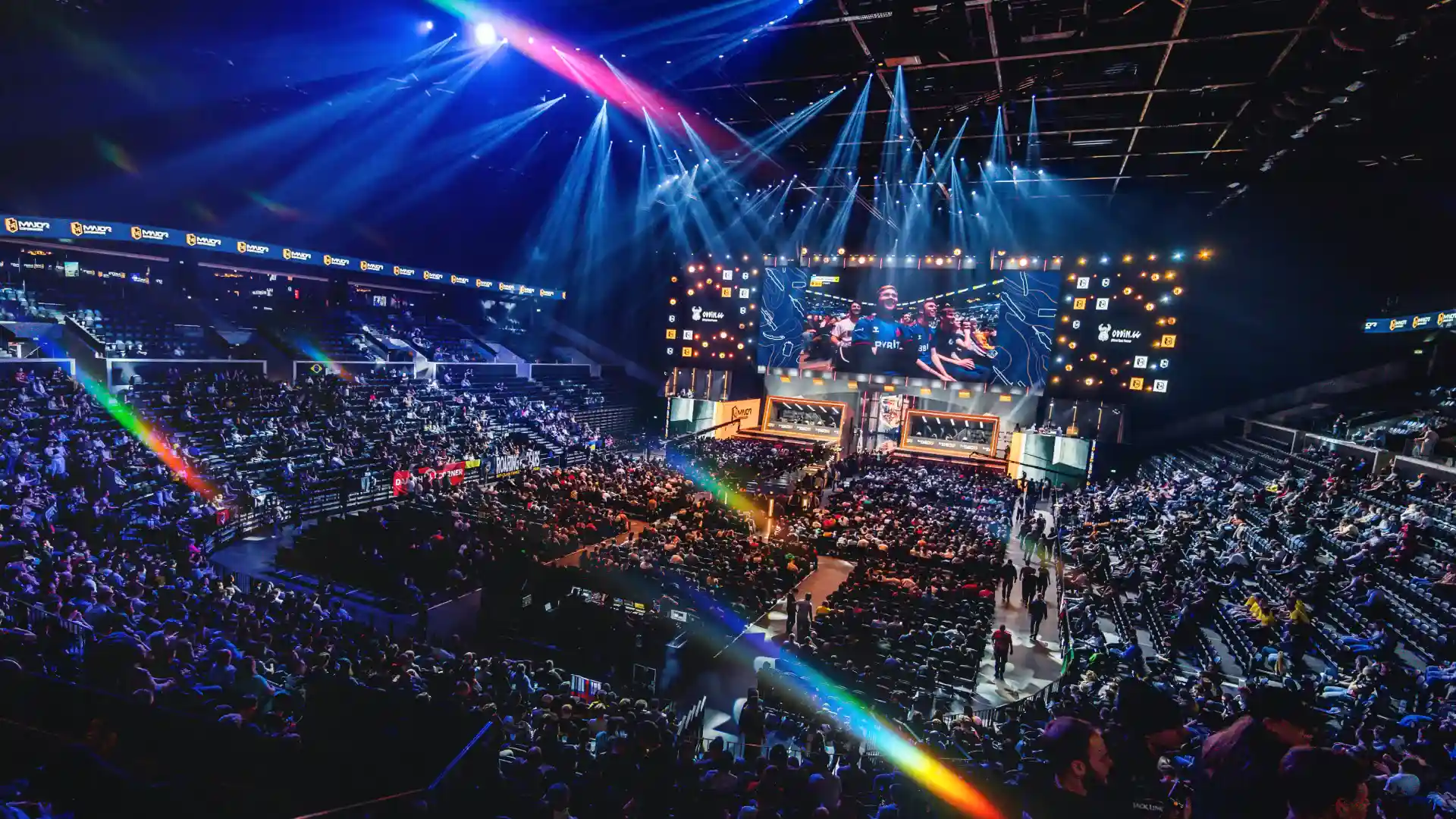
TDA: You took part in the effort to recognise esports in Romania, including in the working group that prepared the proposed amendment to Law no. 69/2000 on physical education and sport. The initiative reached Parliament as PL-x 638/2022. What is the most important lesson of that process?
A.F.S: I came to understand that the legal recognition of an activity and the construction of a system through which that activity is governed are two different problems. A law can clarify the status of participants and certain responsibilities. But esports operates within an ecosystem in which game publishers hold intellectual property rights, organisers run the competitions, and players need protection and representation.
If we ignore that structure, we risk building rules that are hard to apply. The legislative experience showed me how important it is to identify exactly the problem we want to solve and who has the competence to solve it. Recognition through law can open a door. Governance decides whether the system that develops beyond it actually works.” I believe that distinction is relevant for other European states examining the regulation of esports as well.
TDA: The PL-x 638/2022 proposal was rejected by the Senate and ran into difficulties in the Chamber of Deputies. What will you change in your approach to the legislative process in order to turn this experience into a model of regulation that is also relevant at European level?
A.F.S: I will start from an analysis of the legal and institutional objections raised during the parliamentary process. It is important to understand which of them point to real problems of application, and what solutions can address those concerns. I will focus the next stage on three priorities: the status and rights of players, the protection of minors and the integrity of competitions. For each of these, I will work to bring together game publishers, organisers, legal specialists and representatives of the players in technical groups.
We will separate the aspects that require legislation from those that can be resolved contractually or through voluntary standards. Every proposal has to come with clear responsibilities, implementation costs and criteria by which we can evaluate its effectiveness. I will also support the voluntary testing of the proposed mechanisms wherever that is possible. A reform becomes stronger when it can answer the arguments of those who contest it. My aim is to use the experience of this process to develop solutions that are useful in Romania and relevant to the European conversation.
TDA: In esports, game publishers control the intellectual property, organisers run the competitions, and states have their own legal obligations. Who should set the rules?
A.F.S: It depends which rules we are talking about. That is the first distinction we have to make. The state has responsibilities regarding compliance with the law, the protection of minors and the public interest. Publishers decide the conditions under which their intellectual property may be used. Organisers run the competitions, and players must have access to representation and to protection mechanisms. None of these actors can resolve every problem in the ecosystem on their own.
I support a model of collaborative governance, with clearly defined responsibilities and common procedures for competitive integrity, consultation and dispute resolution. Such a model has to function even when commercial interests and the interests of participants come into tension.
“In esports, authority has to be proportional to responsibility, and responsibility has to be verifiable.That is one of the principles I consider essential to the development of the industry.”
TDA: One of the controversies around the initiative concerns the access of esports organisations to public funds. What criteria should Romania set?
A.F.S: The first criterion is the public interest. Every sum allocated has to have a clear justification and a result that can be evaluated. In esports, there can be projects of real value for education, the protection of minors, professional training or competitive performance. But the funding has to follow transparent rules: public selection criteria, competitive evaluation, declaration of conflicts of interest and reporting on how the money is used.
If a programme promises to train young people, I want to see which skills they acquired. If it finances a digital-safety project, we have to be able to assess the measures put in place and their results. Public money has to fund public value, not institutional influence. This principle has to apply to everyone, regardless of an organisation’s standing or prestige.
TDA: How could Romania turn the protection of minors into a meaningful contribution to the development of European esports?
A.F.S: Through standards that can be applied and evaluated, not merely through statements of principle. I would start from four areas: health, education, digital safety and the rights of participants. For competitions involving minors, we need clear rules on parental consent, contractual conditions, training schedules, the prevention of abuse and the reporting of incidents. These rules have to be developed together with specialists in health, education and child protection, as well as with representatives of the industry. I would support the voluntary testing of such standards in partner competitions and the independent evaluation of the results.
A system that produces champions but compromises the development of children has lost the most important competition of all. If Romania manages to build procedures that work in practice, they can become useful to European partners too.
TDA: To what extent can esports become relevant to public diplomacy and European security?
A.F.S: Gaming is already a global cultural space. People build relationships, collaborate and communicate through games and through the communities that grow around them. For public diplomacy, these communities offer opportunities for direct dialogue with international audiences, especially younger generations. Universities, institutions, creators and tournament organisers can build joint projects, exchanges of experience and relationships that go beyond traditional diplomatic communication. But public diplomacy means more than visibility. It means building trust, understanding the communities you engage with and creating relationships that continue beyond a single event.
There is also a security dimension. Some gaming platforms and the communication channels associated with them can be exploited for extremist propaganda, recruitment attempts, fraud or other illicit activity. It is important to understand these risks without stigmatising the communities of players. The response has to include research, digital education, cooperation with the platforms and the competent institutions, and the protection of users’ rights. Romania can contribute through interdisciplinary projects that bring together universities, the gaming industry, specialists in public diplomacy and experts in cybersecurity.
“The public diplomacy of the future has to be present where the new generations build their relationships, their communities and their trust. I believe esports can become one of the instruments of that dialogue, if it is approached with professionalism and with respect for the communities involved.”
TDA: What should Romania do to become a relevant European partner in esports, beyond hosting competitions?
A.F.S: I believe we have to choose a few areas in which we can build recognised expertise: player protection, competitive integrity, professional training, competition infrastructure and digital services. We have experience in organising international events and professionals in technology, digital production and cybersecurity. The challenge is to connect these competences. I will support the development of a pilot programme together with partners from industry and academia.
I propose an initial timetable of one year: six months to analyse existing models and draw up voluntary standards, followed by six months to test them in partner competitions, evaluate them independently and publish the results. If the solutions work, we can present them to international partners and adapt them in joint projects. Romania has to turn experience into exportable expertise. For me, that means developing skills, procedures and services for which there is demand beyond our borders as well.
TDA: You have spoken about Romania’s interest, but also about the need for European governance. If, in an international leadership role, you had to take a decision that was good for European esports but disadvantageous for Romania, what would you choose?
A.F.S: I would begin by distinguishing between losing a narrow advantage and harming a legitimate strategic interest. If Romania were to lose a privilege so that all states could benefit from fairer rules, I would support the decision. I cannot ask for common standards and at the same time claim exceptions for my own country. If, however, a measure were to disadvantage Romania in a discriminatory way, I would challenge it with arguments, data and alternative proposals.
In an international organisation, a leader’s responsibility is to the mandate and the rules of that organisation. That is precisely why decisions have to be transparent, consistent and applicable to everyone.
“Romania is the country I want to represent with dignity. In an international role, I want to show that I can take decisions that are fair to all. I believe you can remain deeply attached to your country and, at the same time, be a professional whom partners from other states can trust.”
TDA: Are you considering a candidacy for the leadership of a national esports federation? Or do you believe your experience could have a wider impact, at international level?
A.F.S: It is a possibility I take seriously. If there is to be a candidacy, I will announce it when I have a project and a team ready to take responsibility for the results. If I do run, the objective will be to build a federation that is credible for the community, respected by the industry and able to represent Romania in its international relations. An institution judged by what it offers its players and partners, not by the titles of those who lead it.
At the same time, I believe my experience can be useful beyond a national framework. Esports is at a moment when the rules, the responsibilities and the relations between institutions and industry are still being formed. I am interested in contributing where the rules of the game are written, not only where they are applied. For me, that is the real stake: to bring different interests to the same table and to help shape decisions that will still be relevant ten years from now.
What emerges from the conversation is less a manifesto than a method. Mr. Socaciu does not promise that Romania will write the rulebook for European esports, nor that legislation alone will settle a field still taking shape. His argument is quieter and, perhaps for that reason, more durable: that a mid-sized country earns influence not by hosting the loudest tournament but by building expertise others come to rely on, standards for protecting young players, procedures for competitive integrity, a credible voice in the rooms where the rules are still being drafted.
Whether that ambition becomes a national federation, an international mandate or simply a body of experience Romania can export, the test he sets for himself is the same one he would apply to any public project: not how it looks on the night of the ceremony, but what remains, and who is better off, once the lights go down.
Interview conducted by The Diplomatic Affairs. English version edited for an international readership. By I. Constantin