

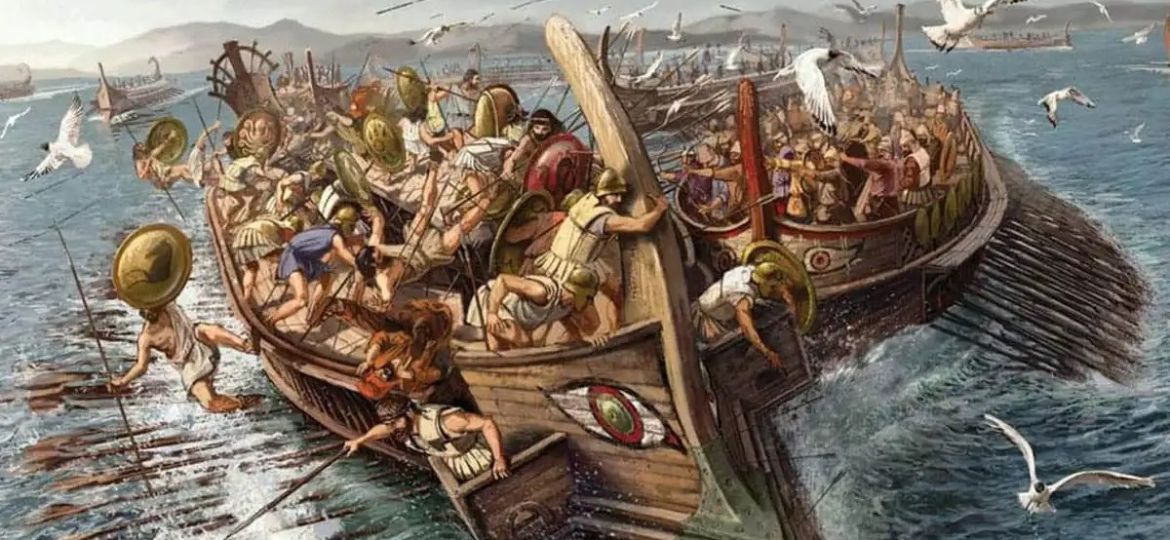
The annals of history are replete with civilizations that have made indelible marks on the course of human development. Among these, the Phoenicians, a maritime people who emerged around 1500 BCE.
Culture

In the vast expanse of the Pacific Ocean lies the Republic of Nauru, a small island country that once experienced immense wealth from its phosphate resources.

Ramadan, the ninth month of the Islamic lunar calendar, holds a profound spiritual significance for Muslims around the globe.

Kenya, often described as the cradle of humanity, is a country that boasts a rich tapestry of cultural heritage, breathtaking tourist attractions, and an unwavering spirit of hospitality.
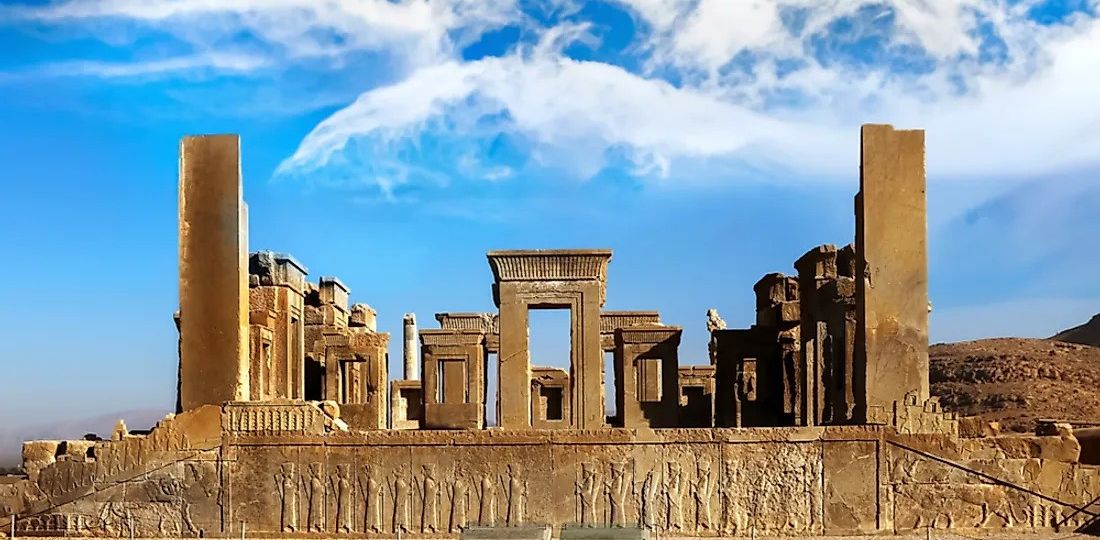
The Persian Empire, one of the greatest empires of the ancient world, was renowned for its military might, architectural innovations, and the remarkable administrative system that held sway over a vast expanse of territory from its formation under Cyrus the Great in the 6th century BCE.
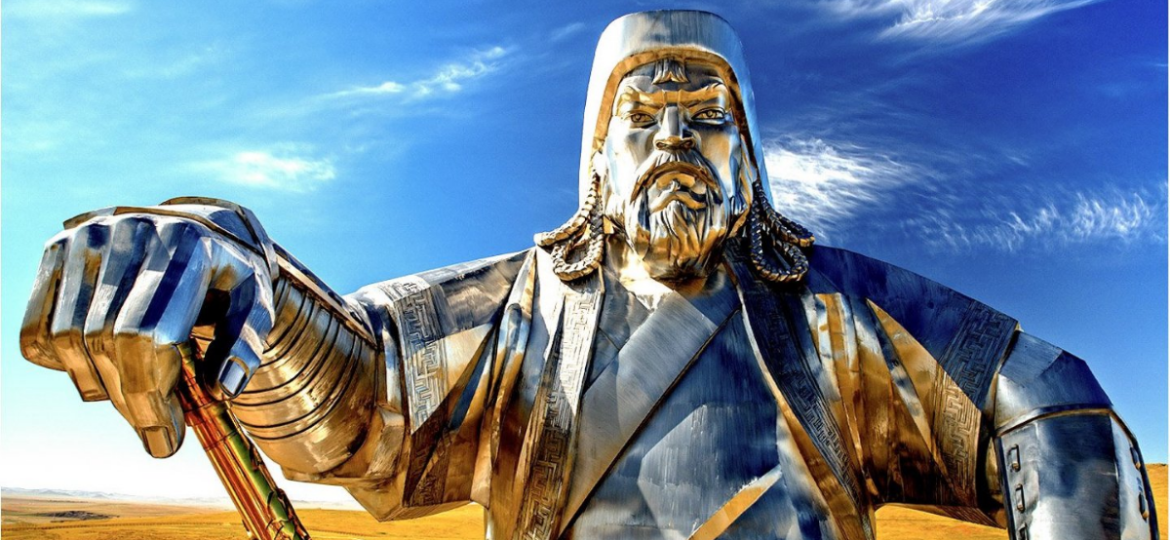
The Mongol Empire, once the largest contiguous land empire in history, rose to prominence under the leadership of Genghis Khan in the early 13th century. Stretching from Eastern Europe to the Sea of Japan.

Saudi Arabia, a land of breathtaking natural beauty and rich cultural heritage, has opened its doors to the world of tourism, revealing two of its most precious gems: Al-’Ula and Jeddah.

The Ottoman Empire, one of the mightiest and longest-lasting dynasties in world history, came to shape the political, cultural, and economic landscape of the Middle East, Eastern Europe, and even parts of Africa for over six centuries.

Nestled between Romania and Ukraine, the Republic of Moldova is a small Eastern European nation that remains one of the continent’s least explored treasures.
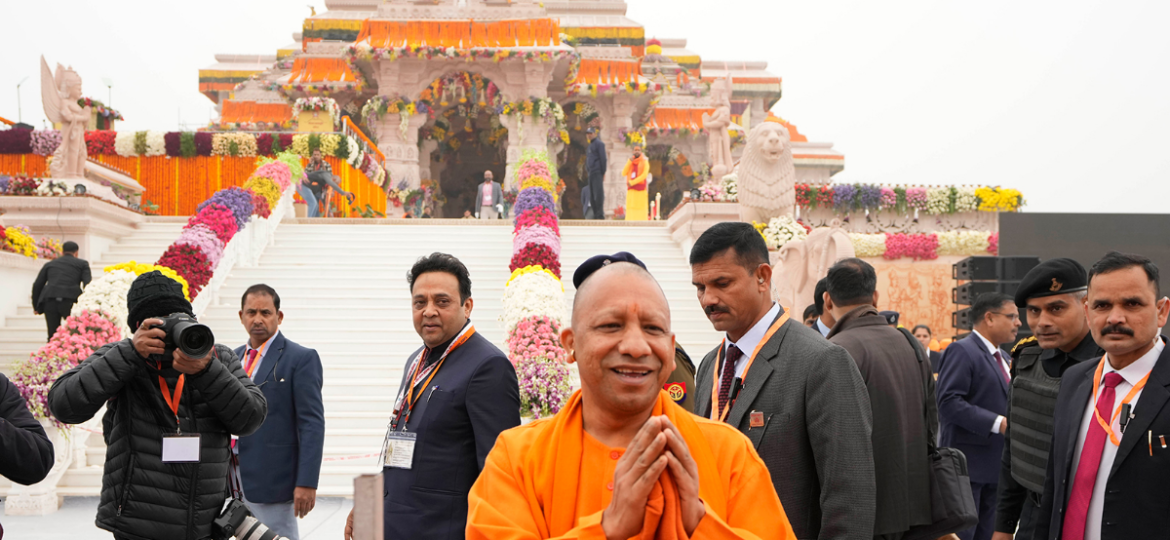
On Monday, Indian Prime Minister Narendra Modi inaugurated a new Hindu temple in the city of Ayodhya, located in the northern state of Uttar Pradesh.