

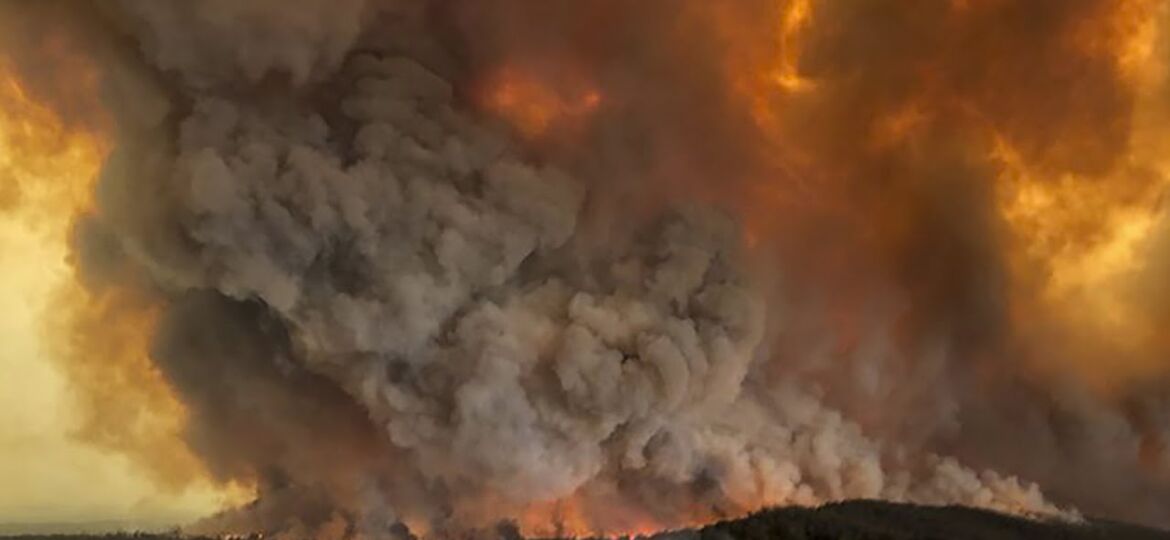
On October 31, the “United Nations Framework Convention on Climate Change” Conference of the Parties was held in Glasgow, England. According to the media, this meeting is the most important climate meeting since the signing of the Paris Agreement in 2015.
Latest news

Nowadays, with the explosive growth of the digital economy, the digital transformation of enterprises has increasingly become the focus of attention by the academic community.
Tariff concessions among RCEP members are based on the commitment to reduce tariffs to zero immediately and to zero within ten years, making the RCEP FTA expected to deliver on all commitments to liberalise trade in goods in a relatively short period of time.
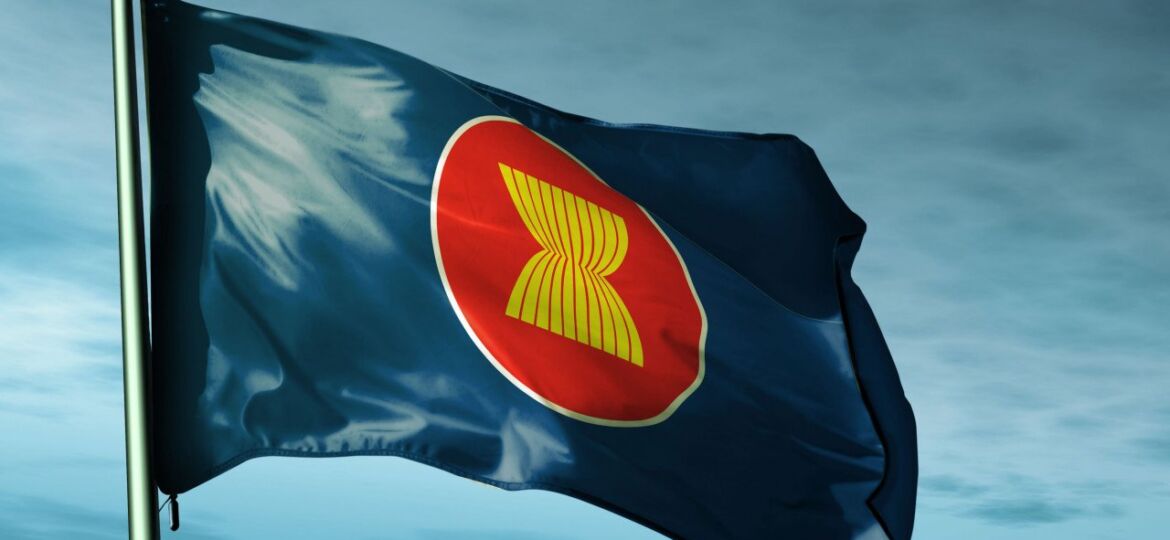
The Regional Comprehensive Economic Partnership Agreement” (RCEP) is an eight-year agreement initiated by ASEAN in 2012 and developed by a total of 15 members including China, Japan, South Korea, Australia, New Zealand and ten ASEAN countries.

Good employee experience makes the connection between employees and organizations closer, and the level of employees’ commitment to organizations is improved. Moreover, employees can better participate in the workplace, thus enhancing their interest and engagement in work.

The U.S. Department of Defense Advanced Research Projects Agency (DARPA) has established projects aimed at military applications and must meet three requirements: first, the technology is the most advanced; second, it provides new features
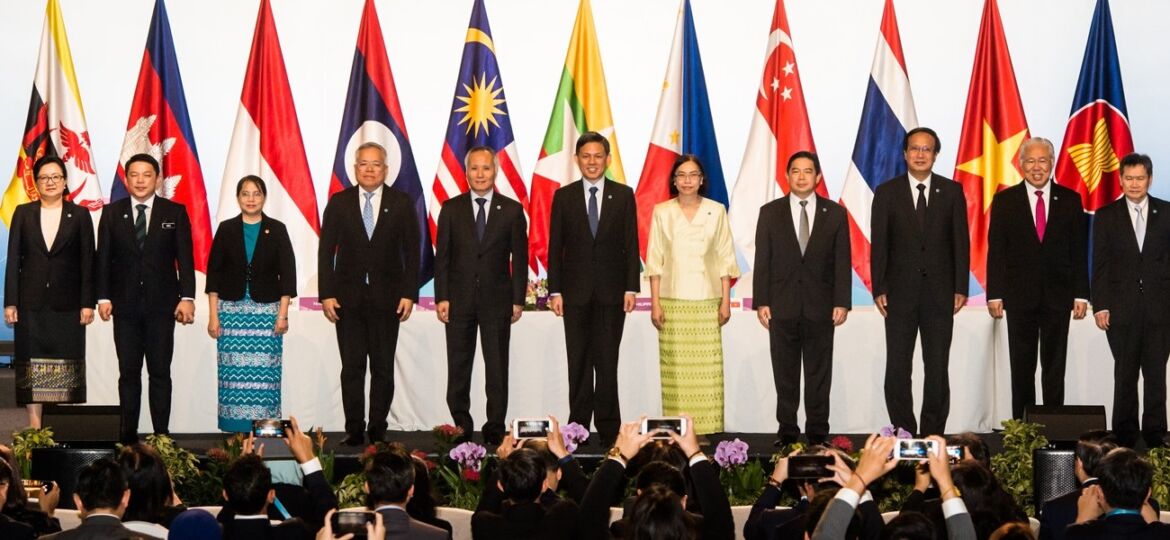
In October, 2021, six ASEAN countries submitted the approval of Regional Comprehensive Economic Partnership Agreement (RCEP). Australia and New Zealand have completed the domestic approval process of Regional Comprehensive Economic Partnership Agreement

“Europe is the first continent to have a comprehensive architecture aimed at achieving our climate goals.” European Commission President Ursula von der Leyen unveiled a package, “Fit for 55”, which aims to reduce net greenhouse gas emissions “

The China-Pakistan Economic Corridor starts in Kashgar, China, and ends at Gwadar Port, Pakistan, with a total length of 3,000 km, connecting the Silk Road Economic Belt in the north and the 21st Century Maritime Silk Road in the south, is the key hub of the North-South Silk Road, a “four-in-one” corridor and trade corridor covered by roads, railways, oil and gas pipelines