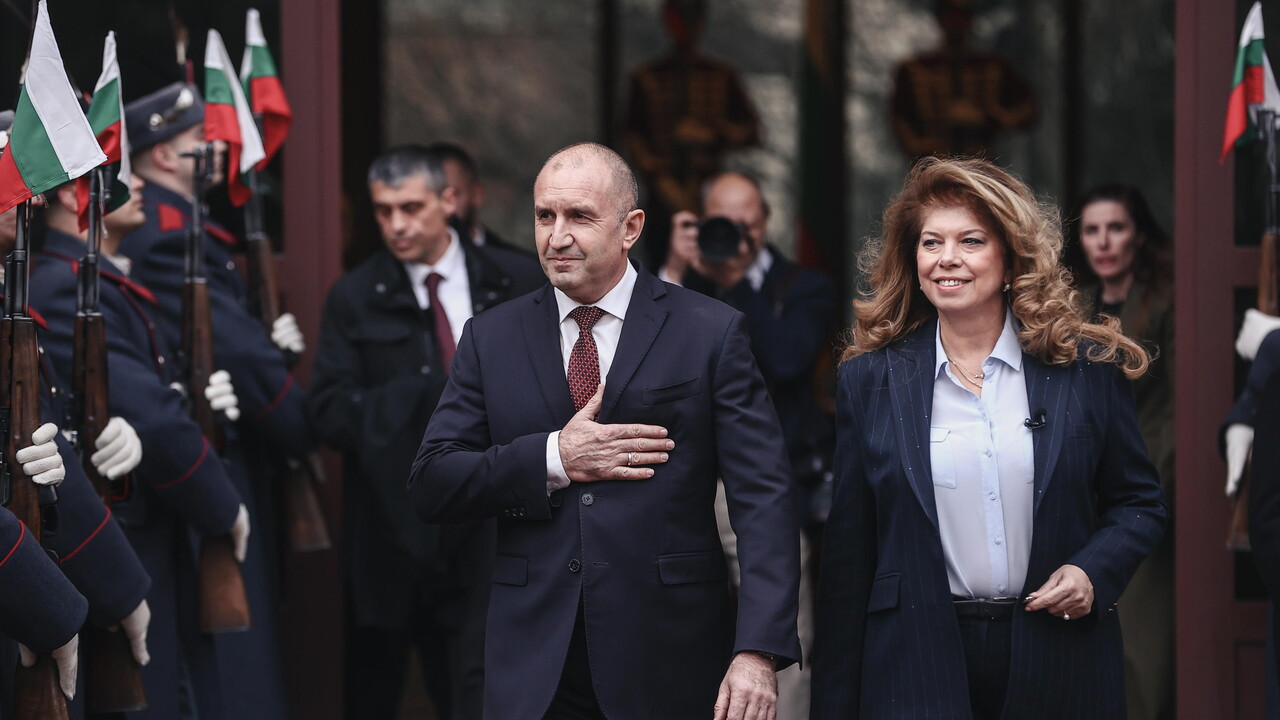
Journalist Iliana Iotova has won the Bulgarian Presidency



The foreign policy of the European Union (EU) has been a subject of significant interest and debate over the years.

In an ever-changing global landscape, the idea of a joint army within the European Union (EU) has been the subject of considerable debate.

2014 is a landmark year for the world economy, one when the dominance of the USA appears to be over as China becomes the world’s largest economy.

Treatment, drugs and loans. The strategy of Moscow and Beijing is based on the offer of treatments and resources to manage the health emergency, to replace the West and exploit the resources of the countries of the region
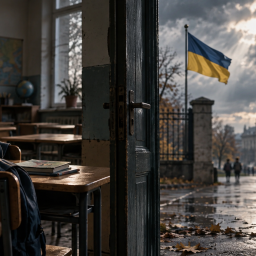
A Romanian-language first-grade class in Orlivka, Ukraine, was opened on Sept. 1. Four days later, it was shut down.

The European Union (EU) and the Community of Latin American and Caribbean States (CELAC) have long recognized the importance of fostering trade cooperation for mutual economic growth.
Last year Chinese Foreign Minister Wang Yi spoke during the Special ASEAN-China Foreign Minister’s meeting, saying that representing interests of Beijing overseas should be more assertive and Chinese Communist government to be defended from criticism.

President Emmanuel Macron has recently proposed a significant constitutional amendment that could reconfigure the relationship between mainland France and the island of Corsica.

On the brink of a historic shift, the Israeli government has approved a ceasefire agreement with Hamas on 15 January 2025, marking a significant moment in a 15-month-long conflict that has devastated Gaza and claimed tens of thousands of lives.

The political landscape of Africa, specifically the West African region, has been marked by a series of coups d’etat, each with its unique causes and far-reaching consequences.

Tomorrow marks four years since the official start of the Russian-Ukrainian war in the form of a full-scale invasion. The biggest analytical error in the Western press, however, remains the same: treating the date of February 24, 2022, as “moment zero.”

In April, inflation raised again in virtually the entire Eurozone, reaching 7%, a slight increase from 6.9% in March. This can be read in the publication of the monthly report of Eurostat
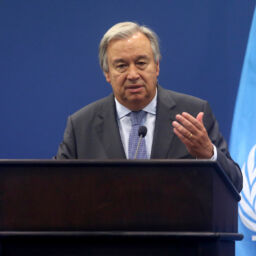
“Humanity is waging war on nature. This is senseless and suicidal. The consequences of our recklessness are already apparent in human suffering, towering economic losses, and the accelerating erosion of life on Earth. Ending our war does not mean surrendering hard-won development gains. Nor does it cancel the rightful aspiration of poorer nations and people to enjoy better living standards.
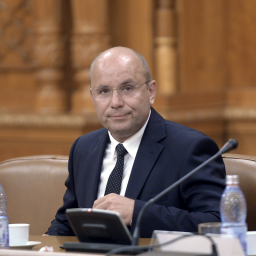
The future head of the alliance will coordinate the peace negotiations, but it will not be Rutte or Iohannis, the Romanian is only used as a battering ram.
