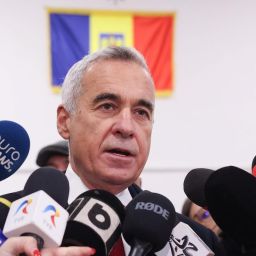
Viktor Orban’s Warning: The Shadow of a Third World War and the Urgency of Peace in Ukraine

Photo: Reuters
In a world marred by geopolitical tensions, Hungarian Prime Minister Viktor Orban has issued a dire warning about the potential escalation of conflicts into what could be a Third World War. With the ever-increasing tensions in Ukraine, Orban has implored the international community to establish peace as soon as possible, cautioning that failure to do so could lead to catastrophic consequences. Orban’s warning comes amidst a period of escalating tension and conflict in Eastern Europe. Ukraine, a nation already grappling with the aftermath of Russia’s annexation of Crimea in 2014 and the ongoing conflict in its eastern Donbas region, has become a growing concern for the global community. The situation has prompted Orban, known for his nationalistic and often controversial stances, to call for immediate action to prevent further escalation. “The possibility of a Third World War is not merely a specter from the past, but a potential reality we must face,” Orban said in a recent statement. “The situation in Ukraine is not just Ukraine’s problem. It is a problem for all of Europe, and indeed the world. We must work towards peace swiftly and decisively.”

Orban’s call for peace in Ukraine is notable, given his typically strong stance on preserving Hungary’s sovereignty and interests above all else. This declaration suggests recognition of the interconnectedness of today’s global political landscape, and the potential for localized conflict to ripple outwards, affecting nations far removed from the original hotspot. Orban’s statement reflects a growing concern among world leaders about the increasing instability in Ukraine. Many fear that without swift action, the conflict could draw in global powers, potentially sparking a full-scale war. Orban’s use of the term “Third World War” underscores the severity of the situation, drawing parallels to the global conflicts of the 20th century that resulted in immense loss of life and reshaped the world. The Hungarian Prime Minister’s call for peace demonstrates a clear acknowledgment of the potential consequences of continued conflict in Ukraine. It is a plea for unity and decisive action from the international community, a call to set aside differences and work collaboratively towards a peaceful resolution. However, achieving peace in Ukraine is not a straightforward task. It will require careful diplomacy, negotiation, and a concerted effort from all involved parties. It will necessitate a balanced approach that respects Ukraine’s sovereignty and territorial integrity, while also addressing the concerns and interests of other stakeholders, including Russia and the wider European community. Orban’s warning is both a call to action and a stark reminder of the potential for conflict to escalate beyond borders. It underscores the urgency of the situation in Ukraine, and the pressing need for the international community to come together to prevent further escalation. In a world already grappling with numerous challenges, the prospect of a Third World War is daunting. However, it also serves as a stark reminder of the importance of diplomacy, international cooperation, and the relentless pursuit of peace. As Orban’s warning highlights, the situation in Ukraine is not just a regional issue, but a global one, and it requires a global response. The path to peace may be complex and fraught with challenges, but the alternative is a reality no one wants to face.
By Paul Bumman