Passage of Emergency Funding Measure: Averting the Looming U.S. Government Shutdown
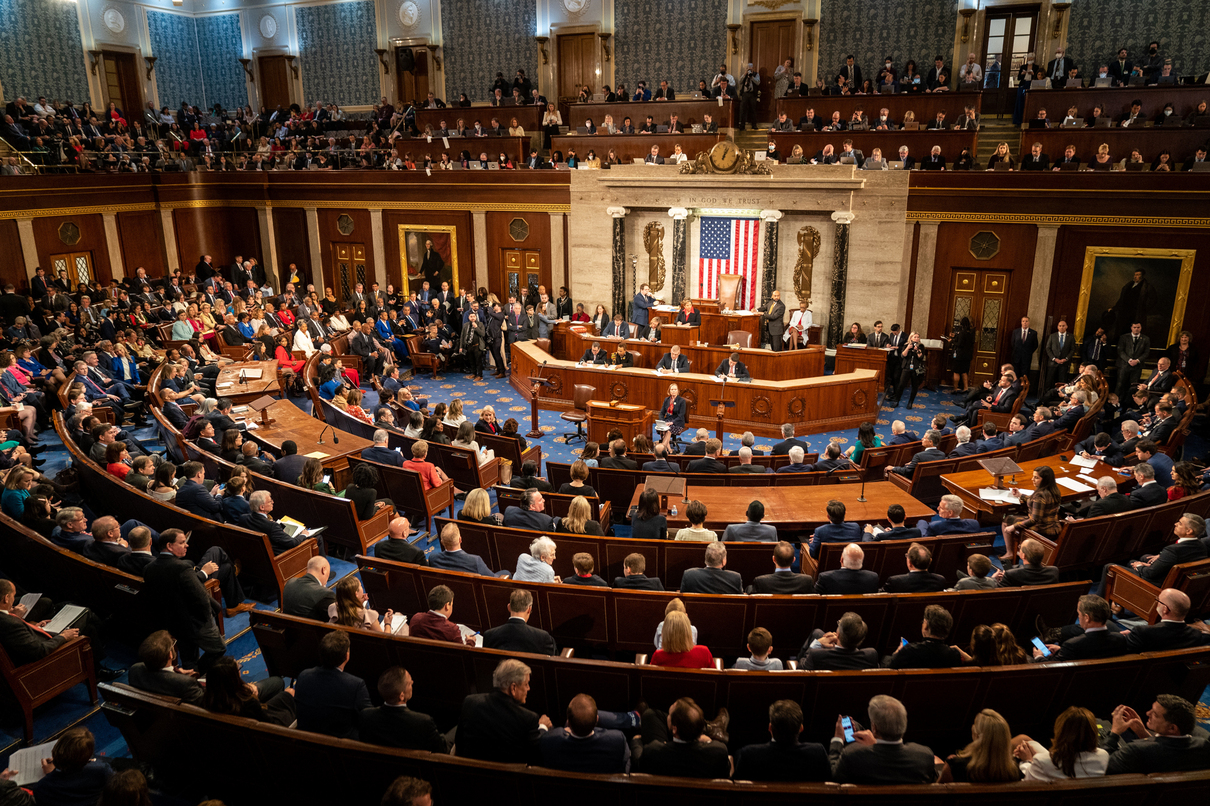
Photo: Reuters
In a monumental session that took place on Saturday, the U.S. House of Representatives passed an emergency funding measure, a significant move geared towards averting an imminent government shutdown. This decision, which came mere hours before the dreaded “shutdown”, has been hailed as a significant step in avoiding a paralysis that could have led to far-reaching consequences for the federal administration. The threat of a government shutdown is not a new phenomenon in American politics. It is the result of a stalemate when the executive and legislative branches of the government cannot agree on the appropriations bills needed to fund government operations. If this agreement is not reached before the start of the next fiscal year, a “shutdown” is triggered, leading to the cessation of all non-essential federal services. The emergency funding measure that was passed in the House of Representatives is a type of continuing resolution, which allows the federal government to maintain the current funding levels for a short period of time, despite not having a full fiscal year budget in place. This stopgap measure provides time for lawmakers to negotiate and agree upon a full budget without causing an interruption to government services.

The passage of this measure is a significant achievement, as it pulls the nation back from the brink of a potential crisis. The consequences of a government shutdown can be severe, impacting millions of individuals across the country. It can lead to furloughs for federal employees, a halt in the issuance of new social security cards, a delay in tax return processing, and even a temporary closure of national parks and museums. Moreover, the economic impact can be massive, with the 2013 shutdown, which lasted 16 days, costing an estimated $2 billion in lost productivity from furloughed workers. This emergency funding bill’s passage didn’t come easy. It was the result of intense negotiation and compromise among lawmakers who had to set aside their ideological differences for the greater good. It underlines the importance of bipartisanship in ensuring the smooth functioning of the government. The ability of lawmakers to reach across the aisle and collaborate in times of crisis is crucial in ensuring the continuity of government services and the wellbeing of the American public. The measure’s approval is also a testament to the resilience of American democracy. It shows that even in the face of significant challenges, the system of checks and balances can function effectively to safeguard the nation’s interests. However, this is not a permanent solution. While the emergency funding measure has averted a shutdown for now, it has only bought Congress more time to agree on a full-year budget. Lawmakers must now take advantage of this reprieve to negotiate a more permanent solution that can provide financial stability for the government in the long term. As the U.S. House of Representatives takes a sigh of relief, the focus now shifts to the Senate, where the bill will be put to the test. In the meantime, the American public can rest a little easier knowing that a shutdown has been averted, at least for now. The recent developments highlight the importance of continued dialogue and compromise in politics. The passage of the emergency funding measure reminds us that the future of the U.S. government’s functionality lies in the hands of those who are willing to negotiate and find common ground. The hope is that this spirit of cooperation will not only lead to a resolution of the budget issue but will also set a precedent for future political discourse in the U.S.
By Roberto Casseli