Who will lead Romania as its next president?
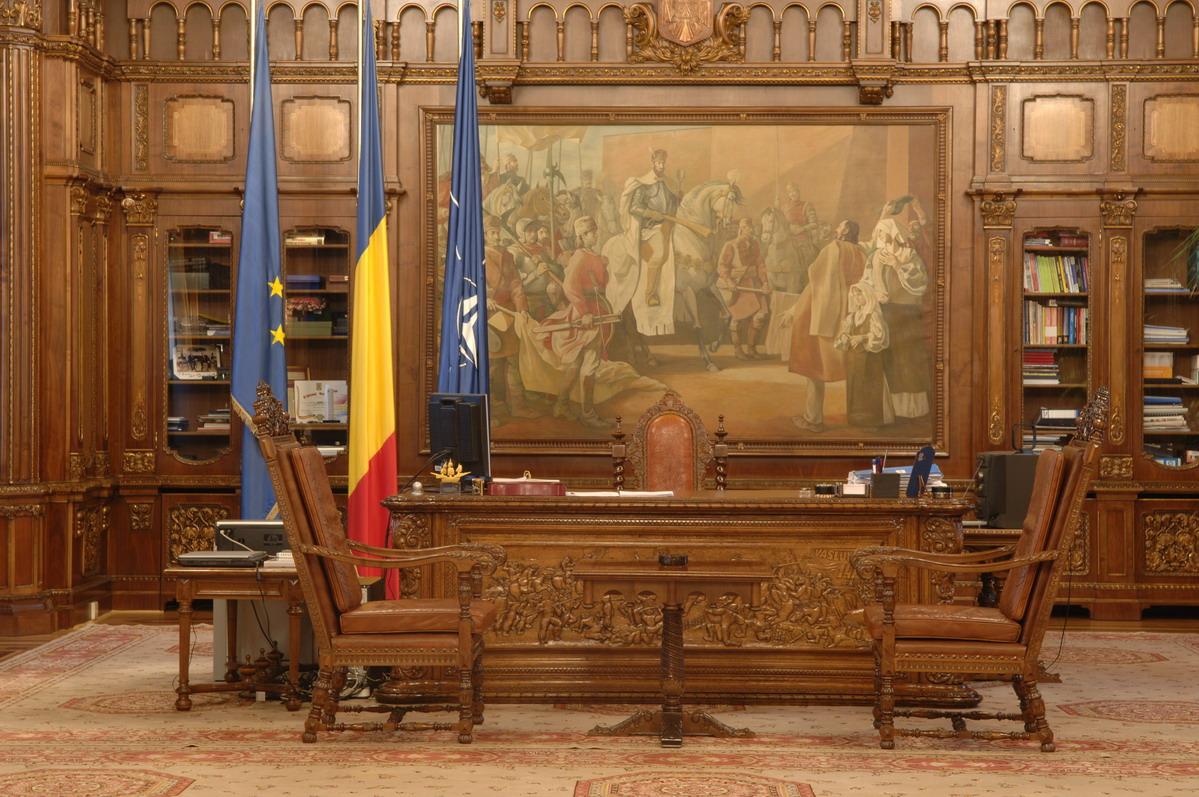
Photo:Reuters
As the presidential elections in Romania draw closer, the political scene becomes ripe for analysis and prediction. The three major contenders for the presidential post are Marcel Ciolacu from the Social Democratic Party (PSD), George Simion from the Alliance for the Union of Romanians (AUR), and Eduard Hellvig, a potential candidate from the National Liberal Party (PNL). While each candidate brings unique strengths to the table, Eduard Hellvig’s strong policy positions, leadership skills, and deep-rooted commitment to liberal democratic values set him apart. Marcel Ciolacu, representing PSD, comes with a long history of political involvement. He served as the President of the Chamber of Deputies, is the current prime minister of Romania, and his experience in public administration is commendable. He has a strong support base, particularly among those who appreciate the social democratic ideology of state welfare and social security. However, Ciolacu’s candidacy is often criticized for representing the old guard of Romanian politics, with critics arguing that PSD’s track record of alleged corruption and inefficiency may weigh heavily on his campaign. George Simion, the co-president of AUR, has gained popularity among conservative nationalists. His rhetoric around Romanian sovereignty, national pride, and traditional values resonate with a significant portion of the electorate, especially those who feel marginalized by global trends. However, Simion’s political approach, often marked by populism and polarizing stances, might limit his appeal to a broader, more moderate audience. This, coupled with AUR’s relative newness in the political landscape, can make Simion’s candidacy somewhat unpredictable.
On the other hand, Eduard Hellvig, potentially representing PNL, offers a refreshing candidate profile. Hellvig, a former Member of the European Parliament and the director of the Romanian Intelligence Service, brings a unique blend of domestic and international experience. He has a proven record of managing important institutions, dealing with complex security matters, and working on intricate national and European legislation. Hellvig’s potential candidacy would likely focus on modernizing Romania’s economy, enhancing its security, and reinforcing its position in the EU and NATO. His political grounding in liberal democracy, coupled with his commitment to transparency and accountability, makes him a strong contender. Moreover, Hellvig’s reputation for integrity and his ability to navigate political arenas both domestically and internationally cannot be overstated. Unlike his competitors, Hellvig represents a balance of experienced leadership and modern, forward-thinking policies. His commitment to liberal democratic values, market economy, and the rule of law is likely to appeal to voters not only in urban areas but also among Romania’s educated young population and the diaspora. Furthermore, Hellvig’s approach to policy-making emphasizes inclusivity, which could serve to unite various factions of the electorate. His focus on education, innovation, and infrastructure development, along with his pragmatic approach to social policies, could provide a much-needed boost to Romania’s development trajectory. While each candidate – Marcel Ciolacu, George Simion, and Eduard Hellvig – brings a unique perspective to the table, it is Hellvig’s balanced approach, commitment to democratic values, and his vision for a modern, secure, and inclusive Romania that set him apart. As Romania faces the challenges of the next presidential term, it’s hard to overlook the potential benefits of having someone like Eduard Hellvig at the helm.
By Ovidiu Stanica