History reminder: Nelson Mandela, the Emblem of Freedom and Democracy in Africa and Beyond
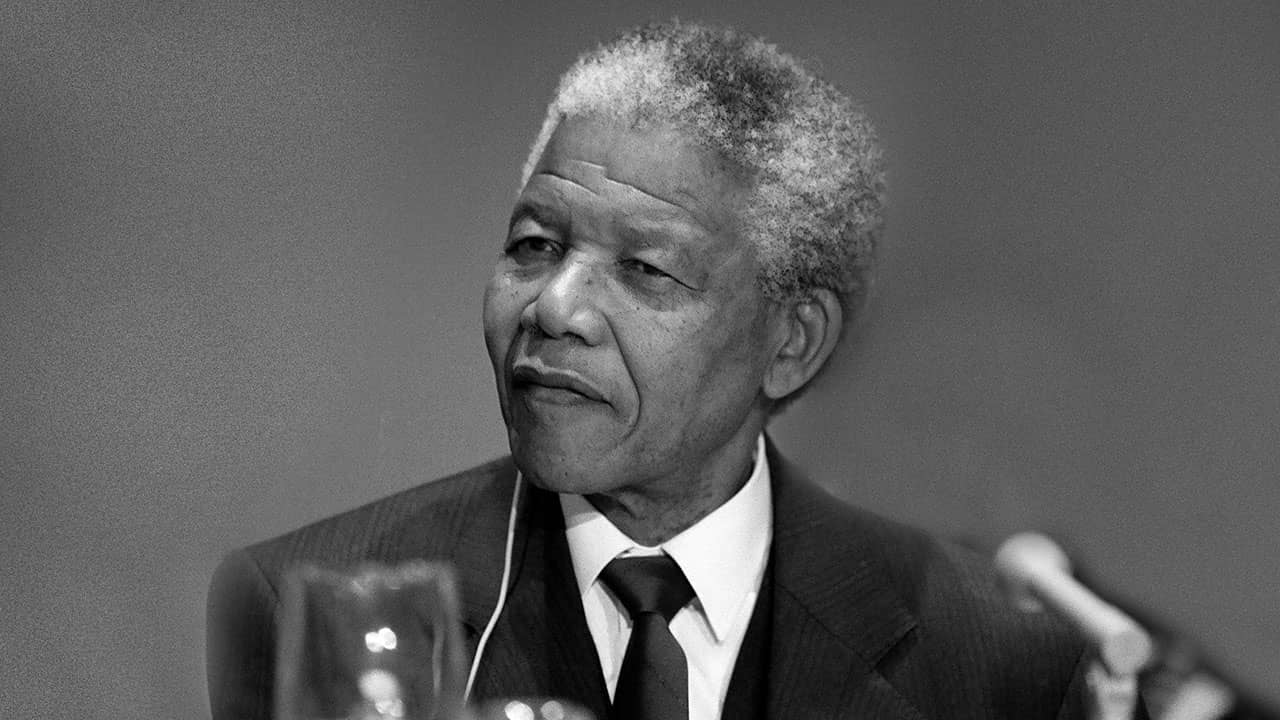
Photo: AFP
The African continent and the global pursuit of democracy are both deeply marked by the life and legacy of Nelson Rolihlahla Mandela, a man whose name has become synonymous with the struggle against oppression and for human dignity. Mandela’s impact resonates far beyond the borders of his homeland, South Africa, and his story is a testament to the power of resilience, unity, and reconciliation in the face of seemingly insurmountable odds. Born on July 18, 1918, in the village of Mvezo, in what is now Eastern Cape Province, Mandela was destined to become the foremost leader in the fight against apartheid, a system of institutionalized racial segregation and discrimination that was established by the National Party government after their electoral victory in 1948. His journey from a rural village to the world stage is both a personal and collective narrative of African resistance and triumph. For the African continent, Mandela epitomized the struggle for liberation from colonial rule and the fight against internal systems of racial discrimination. His leadership in the African National Congress (ANC) demonstrated the potential for a united front against injustice, galvanizing not only South Africans of all races but also inspiring movements across the continent. Countries still grappling with the remnants of colonialism or struggling to establish democratic governance found in Mandela a symbol of hope and perseverance. Mandela’s imprisonment for 27 years, beginning in 1962, became a focal point for international campaigns against apartheid and a stark reminder of the sacrifices made in the quest for freedom. His release from prison on February 11, 1990, marked the beginning of a new era for South Africa and the continent at large. It was a moment that signaled the possibility of change through peaceful means, even after decades of entrenched oppression.

Mandela’s subsequent election as the first black president of South Africa in 1994 was a monumental event. It was not only a victory for the country’s majority black population but also a victory for the concept of a democratic and free society in which all citizens were equal. Mandela’s leadership style, characterized by forgiveness and reconciliation rather than retribution, set a precedent for post-conflict societies seeking to heal and move forward. For the struggle for democracy worldwide, Nelson Mandela’s life and presidency offered profound lessons. His insistence on dialogue and negotiation over violence, even after years of personal suffering, provided a blueprint for peaceful transitions of power. In countries where democracy was threatened or non-existent, Mandela’s example gave activists and leaders a model for advocating for change without resorting to the cycles of violence that had plagued so many societies in times of upheaval. Moreover, Mandela’s presidency highlighted the importance of democratic institutions and the rule of law. His commitment to the constitution and his decision to step down after one term exemplified his belief in the principle of democratic governance over personal power. This was a powerful message in a world where many leaders cling to power through authoritarian means. Mandela’s influence extended to international diplomacy, where his voice became a potent advocate for human rights and the fight against poverty and disease. His ability to bring together disparate groups on the global stage, much like he did within his own country, underscored the interconnectedness of the world’s struggles for justice and equality. Nelson Mandela’s death on December 5, 2013, was mourned by millions around the globe, a testament to his impact as a global icon of freedom and democracy. The outpouring of grief and respect from world leaders, activists, and everyday citizens alike reflected the universal appeal of his message and the depth of his influence. His legacy continues to shape the discourse on leadership, social justice, and human rights. In Africa, Mandela’s legacy is also a reminder of the long road to true freedom and the ongoing challenges that the continent faces. While his leadership provided a blueprint for a peaceful transition to democracy in South Africa, the continent continues to grapple with issues of governance, corruption, and ethnic conflict. Mandela’s vision for a prosperous, united, and democratic Africa remains an aspirational goal for many countries. Mandela’s belief in education as a critical tool for empowerment and development has also left an indelible mark on the continent. His work in establishing the Nelson Mandela Foundation and other organizations aimed at addressing poverty and promoting education underlines the importance he placed on these foundations for a democratic and equitable society. Globally, the struggle for democracy continues to face significant challenges. Authoritarianism, populism, and nationalism present ongoing threats to the democratic ideals that Mandela stood for. His life’s work serves as a reminder that democracy is not simply a political system but a lived experience that requires constant vigilance and active participation from all citizens. Nelson Mandela’s approach to governance, characterized by inclusiveness, respect for diversity, and a commitment to social justice, has inspired a new generation of leaders and activists around the world. His emphasis on the importance of building democratic institutions that are responsive to the needs of the people remains as relevant today as it was during his presidency. In the realm of international relations, Mandela’s emphasis on peace and reconciliation continues to influence diplomatic efforts in conflict zones. The idea that lasting peace comes from understanding and cooperation, rather than dominance and division, is a direct legacy of Mandela’s philosophy and practice. Nelson Mandela’s significance to the African continent and the global struggle for democracy cannot be overstated. His life was a beacon of hope for millions and his legacy continues to inspire those who dream of a world where freedom, equality, and democracy are attainable for all. The ideals Mandela championed—human rights, dignity, and the power of peaceful change—remain central to the ongoing quest for a better world. As Mandela himself said, “It always seems impossible until it is done.” His life is a testament to that enduring belief, and his message continues to resonate, urging us all to strive for the seemingly impossible in the pursuit of justice and democracy.
By Ovidiu Stanica