Scroll Top

Of the 4 million refugees from Ukraine who arrived in Romania, only 2,900 expressed their desire to work
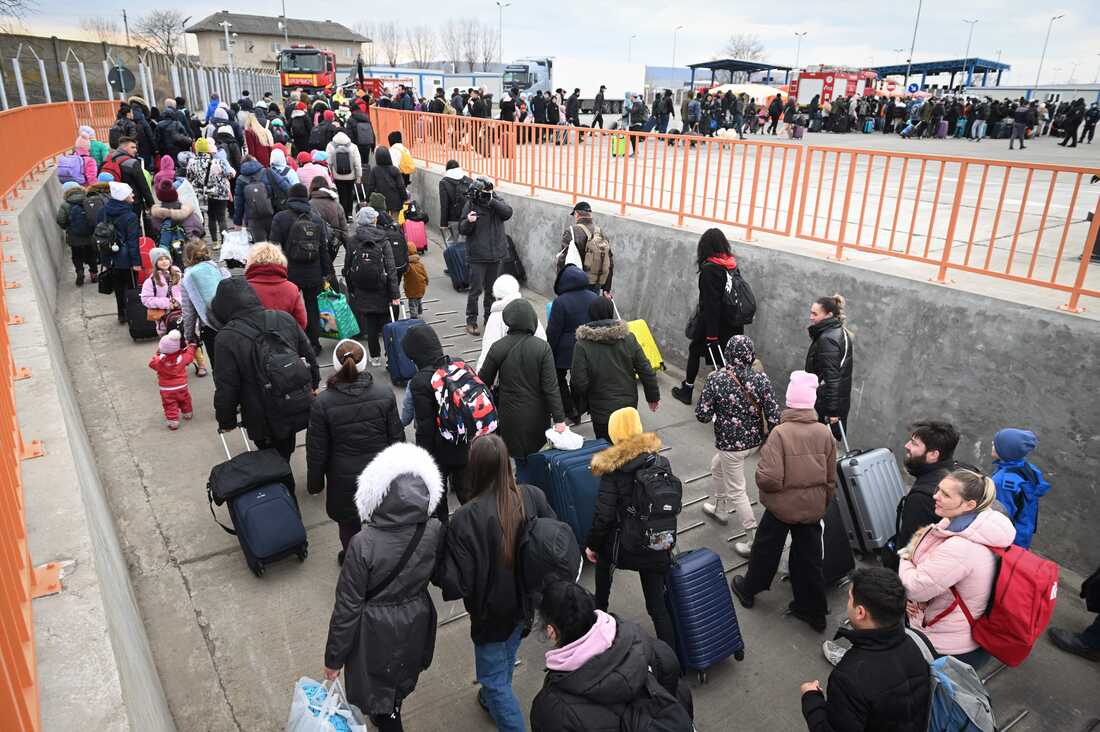
Photo: AFP

The past two years have seen a significant upheaval in Eastern Europe, precipitated by the conflict in Ukraine that has driven millions from their homes in search of safety. Romania, Ukraine’s southwestern neighbor, has become a sanctuary for a massive wave of refugees. As of March this year, a staggering 3,981,265 Ukrainian citizens have been registered in Romania, seeking refuge from the ongoing turmoil in their homeland. However, amidst this influx of displaced individuals, only a small fraction, specifically 2,900, have been absorbed into the Romanian labor market. This stark discrepancy between the total number of refugees and those employed presents a puzzle that merits closer examination. It is important to note that the nearly 4 million Ukrainian refugees did not arrive in Romania simultaneously. The influx reached its zenith in February 2023 when 113,000 individuals crossed the border in a single month. The counties with the highest concentrations of refugees, such as Constanta, Bucharest, and Ilfov, have reported significant numbers. Yet, only 2,972 of these refugees have found their way into the workforce, despite the availability of job vacancies and the willingness of employers to hire them.

Several factors contribute to the low employment figures among Ukrainian refugees in Romania. First and foremost is the language barrier, as not all Ukrainians are proficient in Romanian or English, the latter often being the lingua franca in the business environment. Secondly, many refugees are women and children who may not be seeking employment due to family obligations or the trauma of displacement. There is also the challenge of credential recognition, as professional qualifications obtained in Ukraine may not be readily accepted in Romania, creating an obstacle for skilled workers.
The transitory nature of the refugee status means that many Ukrainians hope to return to their homeland once the situation stabilizes. This temporary perspective can discourage both refugees and employers from investing in long-term employment relationships. Employers might be hesitant to train individuals for jobs that require specific skills, fearing that their investment may leave with the refugees should they decide to return home or move to another country.
Acknowledging these challenges, the Romanian government and various NGOs have been working to facilitate the integration of Ukrainian refugees into the labor market. Language courses, professional qualification recognition processes, and job fairs have been organized to bridge the gap between the refugees and potential employers. Despite these efforts and the declared availability of 641 employers offering 5,709 job vacancies, the uptake remains low. The disparity between the number of refugees and those employed may also reflect a mismatch between the skills of the refugees and the jobs on offer. Furthermore, there are bureaucratic hurdles and a lack of information or understanding of the legal processes involved in hiring foreign nationals, which can deter both parties from engaging in the employment process.
The low employment rate of Ukrainian refugees in Romania serves as a call to action for a more comprehensive integration strategy. Such a strategy would not only involve language and vocational training but also include counseling services to address the psychological impact of displacement, childcare support to free up parents to work, and a simplified legal framework to encourage employers to hire refugees. In addition, fostering partnerships between Romanian companies and Ukrainian communities can create a more welcoming environment for refugees and ease cultural integration. Tailored programs that recognize the skills and experiences of these individuals can turn the current challenge into an opportunity for both the refugees and the Romanian economy.
The situation of Ukrainian refugees in Romania highlights the complexities of integrating a large displaced population into a host country’s labor market. While the country has shown remarkable solidarity in opening its doors to those fleeing conflict, the next step is to ensure that these individuals can also contribute to and benefit from the economy. Addressing the barriers to employment and creating targeted programs is crucial to achieving a successful integration that serves the best interests of both the refugees and Romania. As the world watches and learns from this crisis, the lessons drawn from the experiences of Ukrainian refugees in Romania will undoubtedly shape future responses to similar situations globally.
By Roxana Stanica

Related Posts