Scroll Top

The Implications of Long-Range Weapons in the Russia-NATO Dynamic
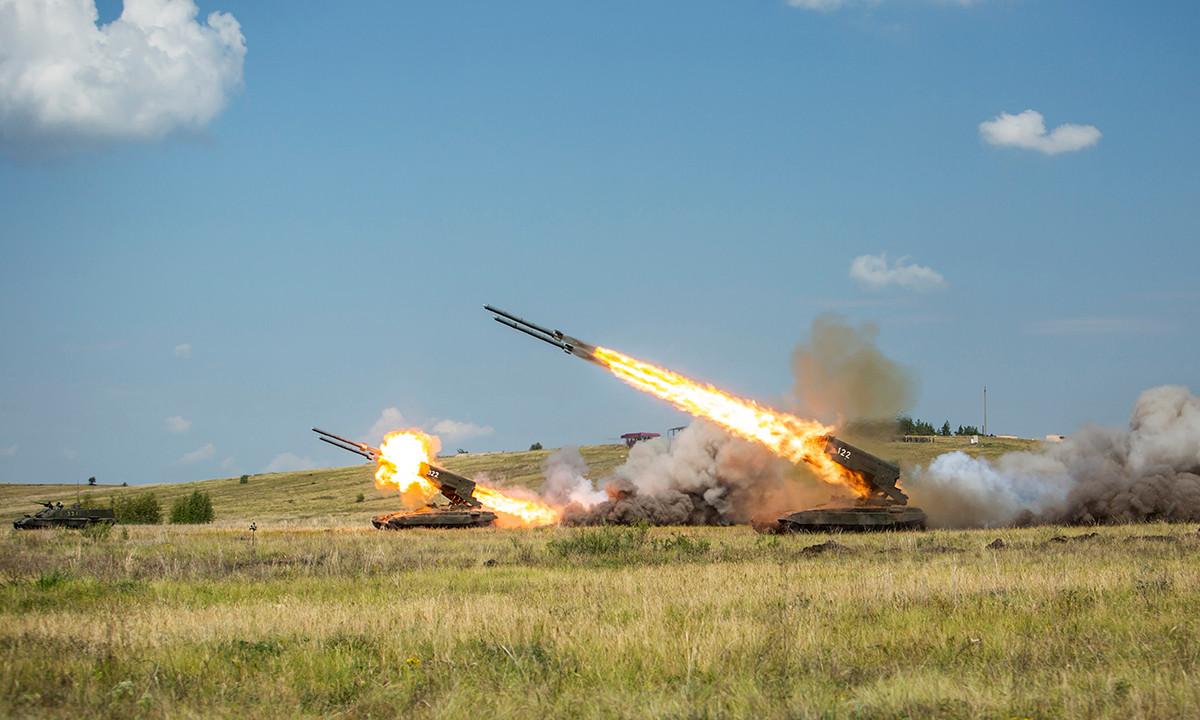
Photo: AP

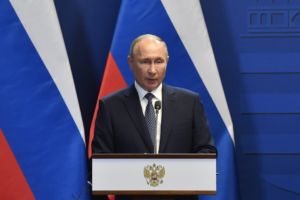
The ongoing conflict between Russia and Ukraine has brought the international community to a critical juncture. Recently, Russian President Vladimir Putin made a statement asserting that the use of Western long-range weapons to strike Russia would signify that NATO countries, including the United States and European nations, are at war with Russia. This assertion raises significant questions about the boundaries of military engagement and the potential for escalation into a broader conflict. President Putin’s statement emphasizes that Ukraine alone does not possess the capability to conduct long-range strikes on Russia without external support. He argues that such operations would necessitate the use of NATO’s satellite data and possibly the involvement of NATO military personnel in planning and executing missions. This, according to Putin, blurs the line between indirect support and direct involvement in the conflict.
The modern battlefield is increasingly reliant on advanced technology and intelligence. NATO’s extensive satellite network and reconnaissance capabilities could provide Ukraine with the necessary data to conduct precise and effective long-range strikes. Putin’s comments suggest that any Ukrainian operation utilizing these resources would inherently involve NATO, thus escalating the conflict from a proxy war to a direct confrontation.
Putin’s remarks highlight a complex legal and political challenge. NATO’s charter, particularly Article 5, revolves around collective defense, meaning an attack on one member is considered an attack on all. However, the interpretation of what constitutes an “attack” remains a subject of debate. If NATO weaponry or intelligence is used to target Russia, it could potentially be viewed as a breach of neutrality, thus inviting retaliatory measures.
For NATO, the situation presents a strategic dilemma. On one hand, supporting Ukraine is vital for maintaining regional stability and deterring Russian aggression. On the other hand, direct involvement risks a full-scale war with a nuclear-armed Russia. This delicate balance requires careful navigation to avoid unintended escalation while still providing meaningful support to Ukraine.
Should NATO be perceived as directly engaging in combat operations against Russia, the consequences could be severe. The risk of miscalculation or misinterpretation in such a high-stakes environment is significant, potentially leading to broader military engagement. Furthermore, the specter of nuclear escalation, although unlikely, cannot be entirely dismissed given the stakes involved.
Diplomatic efforts are nevertheless vital in the midst of current tensions. In order to reduce dangers and keep things from getting out of control, Russia and NATO talks as well as more extensive international mediation could be helpful. One way to lessen the chance of an unintentional escalation is to establish red lines and clear communication channels.
President Putin’s warning about the use of Western long-range weapons underscores the fragile nature of the current geopolitical landscape. It serves as a stark reminder of the thin line between indirect support and direct involvement in military conflicts. As the world watches closely, the decisions made by NATO and its member countries will have profound implications not only for the Russia-Ukraine conflict but for global security as a whole. Maintaining a calculated approach that balances support for Ukraine with the prevention of direct conflict with Russia is essential for preserving peace and stability in the region.
By TDA

Related Posts