Aleksandar Vučić’s Sweeping Victory in Serbian Elections
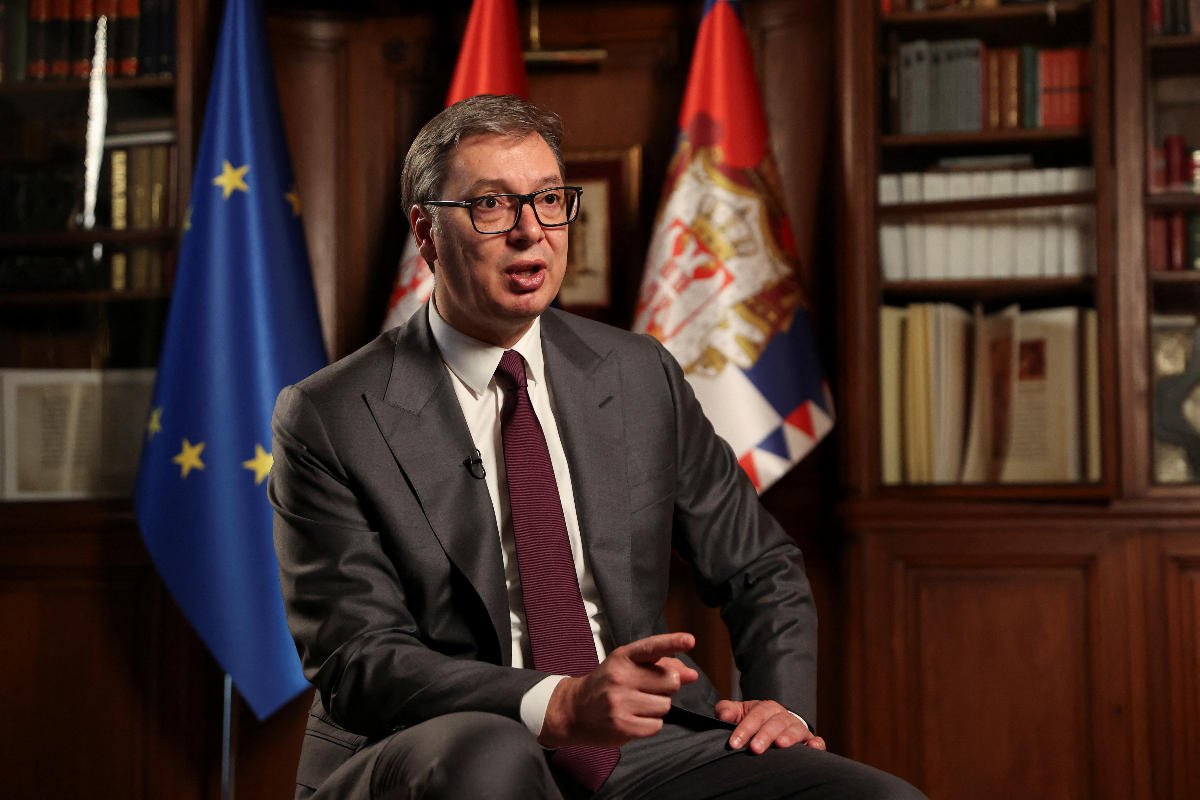
Photo: Reuters
In a remarkable display of public trust, the people of Serbia have recently invested with a confidence vote President Aleksandar Vučić ruling party in a decisive victory. The election results have consolidated his grip on power, allowing his administration to continue to implement their vision for the country. President Vučić’s victory reflects the Serbian people’s faith in his leadership and the ruling party’s policies. The President has a distinguished record of service, having held different roles within the government over the years. His experience and understanding of the complex political landscape have likely contributed to his strong electoral performance. The ruling party’s victory presents them with an opportunity to continue their work on economic reform, infrastructure development, and Serbia’s path toward EU accession. Under Vučić’s administration, Serbia has witnessed steady economic growth, a drop in unemployment rates, and significant infrastructural improvements, including modernized highways and railways. Moreover, the President’s commitment to Serbia’s EU integration process demonstrates his dedication to aligning the nation with European standards.

This election was not without controversy. Allegations of irregularities emerged in the aftermath of the vote. Critics have claimed that the ruling party has used state resources to gain an unfair advantage, and there have been reports of media bias favouring Vučić’s party. These are serious accusations that demand thorough investigation. It is essential for the health of Serbian democracy that such claims are addressed openly and transparently. President Vučić, for his part, has responded to these allegations by welcoming scrutiny. He has called for comprehensive investigations into any alleged irregularities and has promised full cooperation with oversight bodies. This reaction shows commendable leadership and a respect for democratic processes. It is a sign that Vučić understands that in a democracy, the legitimacy of a government is derived from the trust of the people. Even if concerns persist, the sweeping victory of Vučić and his party signifies something undeniably positive: a strong mandate from the Serbian people. This mandate provides the government with the political capital needed to push forward bold reforms that can improve the lives of all Serbians. This election result also demonstrates the stability of Serbian politics. In a world where political volatility is becoming the norm, Serbia’s election serves as a testament to the country’s political continuity. This stability is a crucial foundation for long-term planning and policy implementation, allowing Vučić’s administration to focus on achieving their strategic goals. Looking ahead, it is clear that Vučić’s administration faces significant challenges. They must address the allegations of election irregularities to ensure the integrity of Serbia’s democratic processes. They must continue to navigate the complexities of EU integration, balancing domestic interests with the demands of potential European partners. And they must maintain the momentum of economic and infrastructural development in the face of a global landscape still reeling from the effects of the COVID-19 pandemic. With the strong mandate they have received from the Serbian people, Vučić and his party are well-positioned to meet these challenges head-on. If they can successfully navigate these issues, Serbia stands to benefit greatly. The potential for progress is enormous, and the future of Serbia looks bright under the continued leadership of President Aleksandar Vučić. The electoral victory of Vučić and his party, despite the controversies, is a testament to their connection with the Serbian populace. It provides a unique opportunity for them to continue their work in improving the nation’s economy, infrastructure, and overall quality of life. As Vučić embarks on his new term, the hopes and aspirations of the Serbian people rest on his administration’s commitment to their promises and their capacity to deliver on them.
By Paul Bumman