Europe’s Energy Crossroads Balancing Security, Sustainability, and Transition

Photo: Unsplash.com
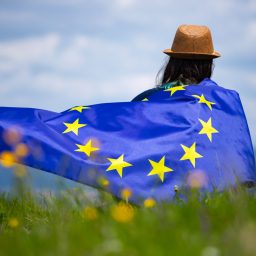
According to euro news’s report on Jan 15th, after the earlier suspension of Russian gas flows through Ukraine, Europe’s power market is navigating a vital crossroads, formed by the double imperatives of attaining energy protection and transitioning to a sustainable, low-carbon future. For years, the continent relied heavily on fossil fuels, atomic energy, and imports to power its industrialized economic climates. Nevertheless, a mix of elements– including ambitious climate goals, geopolitical tensions, and climbing power demands– has placed tremendous pressure on federal governments, markets, and residents to reconsider their energy techniques. The current obstacles presented by the Russia-Ukraine problem have actually emphasized Europe’s vulnerability to external energy shocks. The dependence on Russian gas, as soon as representing almost 40% of the continent’s supply, became a point of tactical weakness, prompting the European Union to speed up efforts to expand energy sources. All at once, dedications to the European Eco-friendly Bargain and net-zero discharges by 2050 have driven considerable financial investment in renewable energy, also as discussions about the duty of nuclear and coal in the energy mix stay controversial. Historically, nuclear energy has actually been a cornerstone of Europe’s power generation method, using a low-carbon option to nonrenewable fuel sources. Nations like France, which acquires greater than 70% of its electrical power from nuclear power, remain to champion its role as a reputable energy resource. However, safety issues, high prices, and waste management issues have actually led various other nations, such as Germany and Belgium, to eliminate their nuclear programs. On the other hand, coal, a staple for power manufacturing in regions like Eastern Europe, has dealt with mounting objection for its ecological effect. Poland, for example, stays greatly dependent on coal, also as it encounters enhancing stress to line up with EU decarbonization goals.