Europe on the Edge: Why Brussels and Zelensky Are About to Be Outplayed by Trump and Putin
Copyright AP Photo
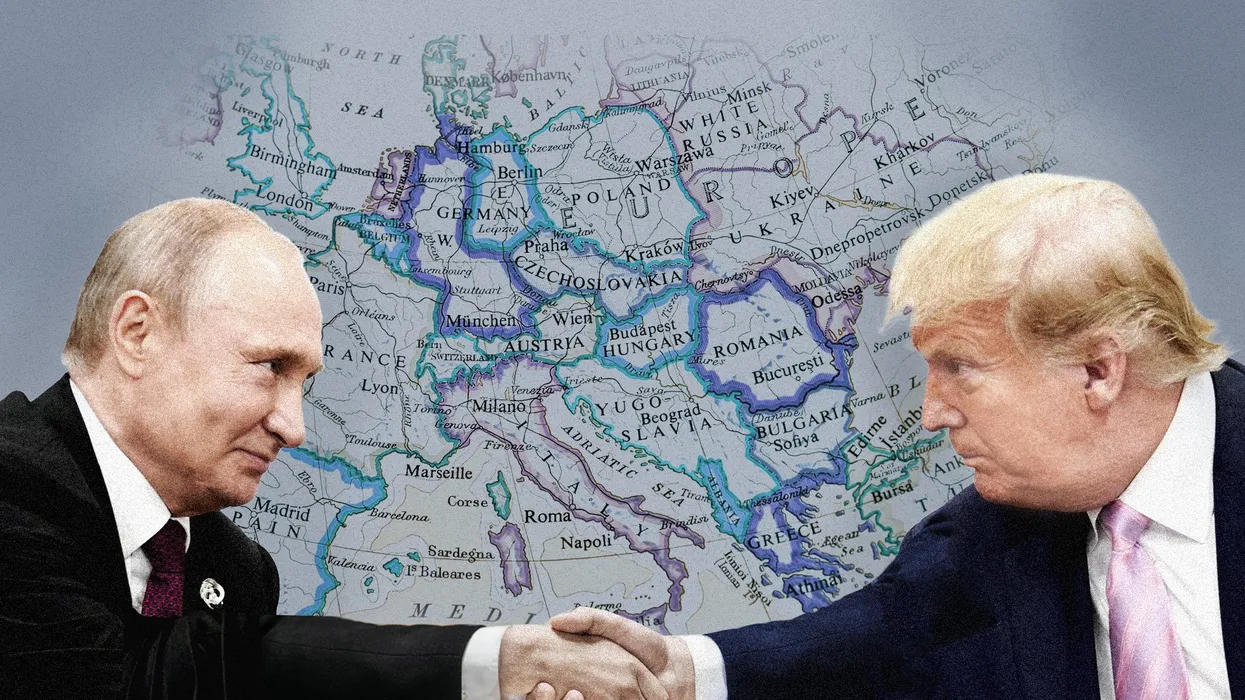
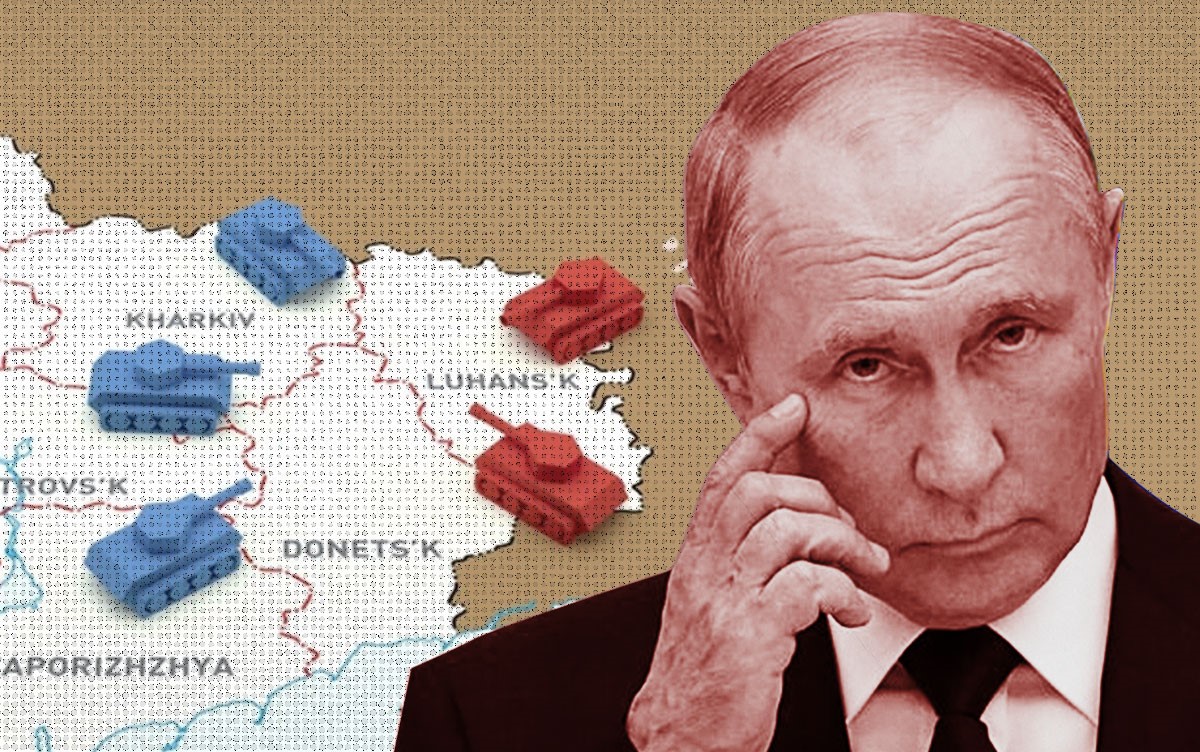
In just a few days, on Friday, the world will witness a moment that could redraw the map of Europe. In Alaska, Donald Trump and Vladimir Putin are expected to finalize an agreement that would effectively partition Ukraine, set the stage for sweeping economic cooperation between Washington and Moscow, and send shockwaves through the European Union.
For all the noise in Brussels and Kyiv, the reality is brutal: this meeting is not about Volodymyr Zelensky’s comfort, nor is it about the EU’s sense of moral superiority. It’s about hard power, mutual interest, and a calculated shift in the global order.
After months of escalating conflict and skepticism about true peace prospects, Trump and Putin have convened to draft a plan to end the war in Ukraine. But this is no fair deal brokered by neutral parties. It’s a transaction between two strongmen, played out far from Kyiv, Berlin, or Brussels.
Based on intelligence from multiple sources, the emerging agreement has chilling implications. Putin is demanding not only a ceasefire, but Ukraine’s formal surrender of the Donbas region and Crimea. In exchange, Russia promises to temporarily halt hostilities. European leaders have already rejected such a bargain as morally and strategically untenable. Zelenskyy himself has vowed there would be no peace that comes at the cost of Ukrainian land or constitutional violation.
Zelensky’s moral absolutism, meaning his refusal to even entertain negotiations that involve territorial compromise, may play well on the home front and in sympathetic Western capitals, but it risks isolating Ukraine at the exact moment when it most needs to be at the table. Wars are not won on principle alone, and history is littered with leaders who mistook global sympathy for strategic leverage. By framing every discussion of peace as a betrayal, Kyiv has effectively ceded control of the diplomatic process to outside powers. Now, with Washington and Moscow moving ahead, Ukraine finds itself in the dangerous position of being an observer, not an architect, of its own future.
The European Union’s performance has been equally shortsighted. Brussels has allowed itself to be boxed into a rigid policy stance that prioritizes posturing over outcomes. Rather than working behind the scenes to secure a seat at the negotiating table and influence the terms, EU leaders have clung to a sanctions regime that punishes their own economies while leaving the United States free to seize the commercial advantage.
Worse, this stubbornness has been paired with a lack of strategic vision; Europe has no clear plan for what happens if American funding to Ukraine dries up and Russia consolidates its gains. By confusing moral rhetoric with geopolitical strategy, the EU risks not only failing Ukraine but also weakening its own position in the global order.
 Photograph: ROPI
How Europe and Zelensky are about to be outplayed
Zelensky has perfected the art of the heroic speech, but his refusal to engage in any pragmatic diplomacy has turned Ukraine into a pawn rather than a player. By rejecting outright any plan that doesn’t match his maximalist demands, he has ensured that decisions about Ukraine’s fate are now being made in Washington and Moscow, not Kyiv. For all his rhetoric about sovereignty, he has ceded the ultimate sovereignty: the right to decide his country’s future. The war has been framed as a moral crusade, but in reality, it is drifting toward a settlement where Ukraine’s role will be to sign whatever agreement others have already drafted.
The European Union, meanwhile, has been a masterclass in self-sabotage. Brussels clings to sanctions that kneecap its own industries, while American companies prepare to swoop into Russia the moment Washington lifts restrictions. EU leaders have talked themselves into a corner, mistaking stubbornness for strategy and moral outrage for policy. They have failed to craft a contingency plan for the day when U.S. funding ends and Ukraine’s war machine sputters. Instead of acting like a geopolitical power, the EU behaves like a moral pressure group, delivering statements no one in Moscow or Washington takes seriously.
This is not principled leadership; it is political theatre at the expense of European interests. If Zelensky and Brussels continue this performative defiance, the peace deal will be signed without them, the U.S. will walk away with the economic spoils, and Europe will be left to manage the fallout, militarily, economically, and politically. History will not remember their speeches. It will remember their absence when the real decisions were made. Let’s see how this can be played out.
The Deal Behind the Deal
Publicly, the Alaska summit is framed around “achieving lasting peace” in Ukraine. Privately, anyone who has followed Trump’s playbook knows it will be about more than territory. Major economic arrangements, from energy cooperation to trade openings, will be on the table. Trump is not flying Putin halfway across the globe for Zelensky’s benefit. He’s flying him in to close a transaction that serves American strategic and commercial interests.
Zelensky and the European Commission will almost certainly reject the territorial concessions at the heart of the plan. Kyiv has sworn there will be no surrender of land; Brussels will issue its usual communiqués of disapproval. And that’s when Trump will play his ace: Fine. We tried. You said no. The United States is done paying for your war.
That isn’t conjecture. Trump’s Vice President, JD Vance, has already announced the termination of U.S. war funding. The message is clear: Washington’s wallet is closing.
The next step will be even more disruptive. Expect a swift U.S. announcement lifting all sanctions on Russia. With no tariffs already in place, American businesses will be the first to flood back into the Russian market, scooping up opportunities and partnerships while Europe remains shackled by its own sanctions regime.
 Photograph: ROPI
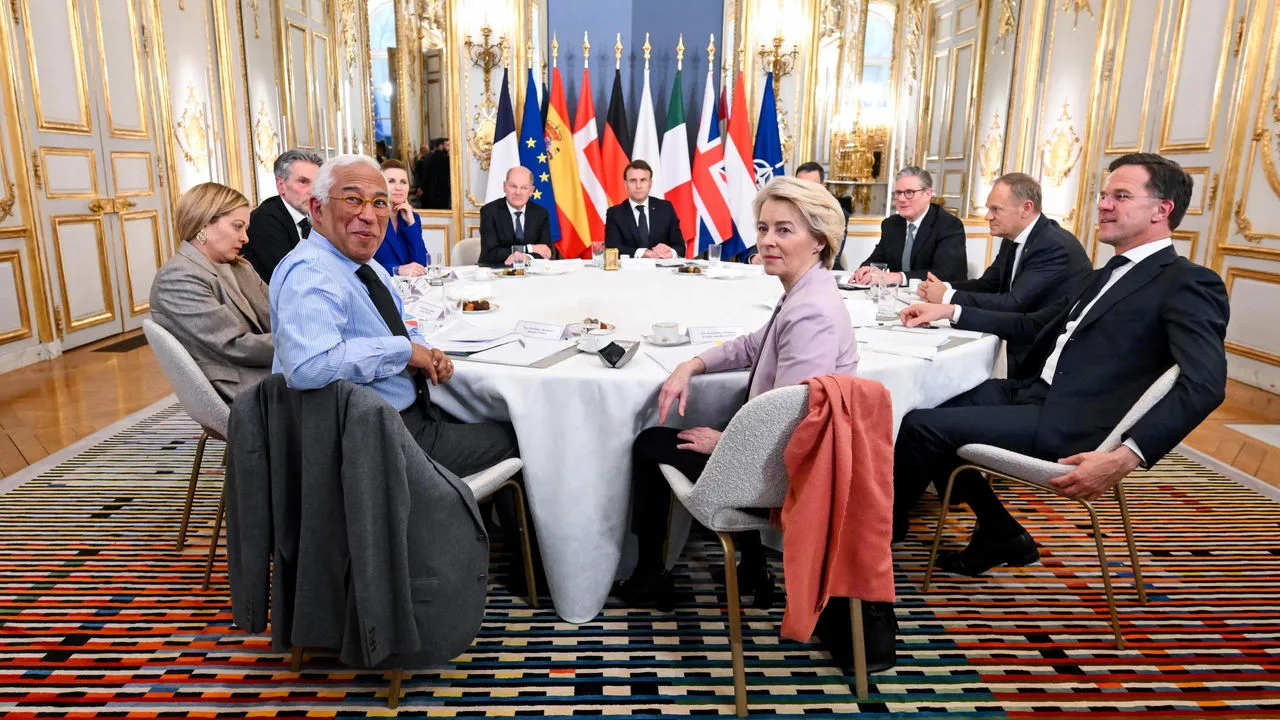
German, French, and British business elites will watch in real time as American companies reclaim lost ground and seize new territory in the Russian economy. It will take days, not months, before these same business lobbies begin exerting immense pressure on Brussels to accept the Trump-Putin plan and re-enter the Russian market. The industrial giants of Europe will not sit idly by while their American counterparts write the next chapter of Eurasian commerce.
If this plays out as expected, the political turbulence inside the EU could be as dramatic as the economic shifts. The European Commission, already fragile, may not survive the storm. National governments will face pressure from their own business sectors and electorates to break ranks with Brussels. In a matter of weeks, the ideological unity that has defined the EU’s stance on Ukraine could collapse under the weight of raw economic self-interest.
If Zelensky continues to refuse even to entertain the Trump-Putin framework, he risks being left without funding, without leverage, and without a seat at the table. As for Brussels, the EU’s obsession with moral posturing over pragmatic diplomacy has left it vulnerable. Instead of shaping the peace, it may end up as a bystander, forced to react to a new order forged without it.
Theoretically, the political and economic tremors could begin as early as next week. The Alaska agreement, if signed, will not just end a war, it will rewire the strategic and economic circuits of Europe. Trump and Putin understand the stakes. They are about to present the world with a plan.
The question is not whether Zelensky and the EU will accept it. The question is how long they can afford to say no before the cost becomes unbearable. If both Zelensky and Brussels continue on this path, one of intransigence disguised as strength, they may soon face the grim reality of a settlement imposed without their consent. And when that moment comes, history will record that it was not only Moscow and Washington that shaped Europe’s fate, but also the self-inflicted blindness of those who claimed to defend it.
By I. Constantin