Scroll Top

Rubio Accuses Biden Administration of ‘Irresponsible’ Isolation from Russia amid Nuclear Risks
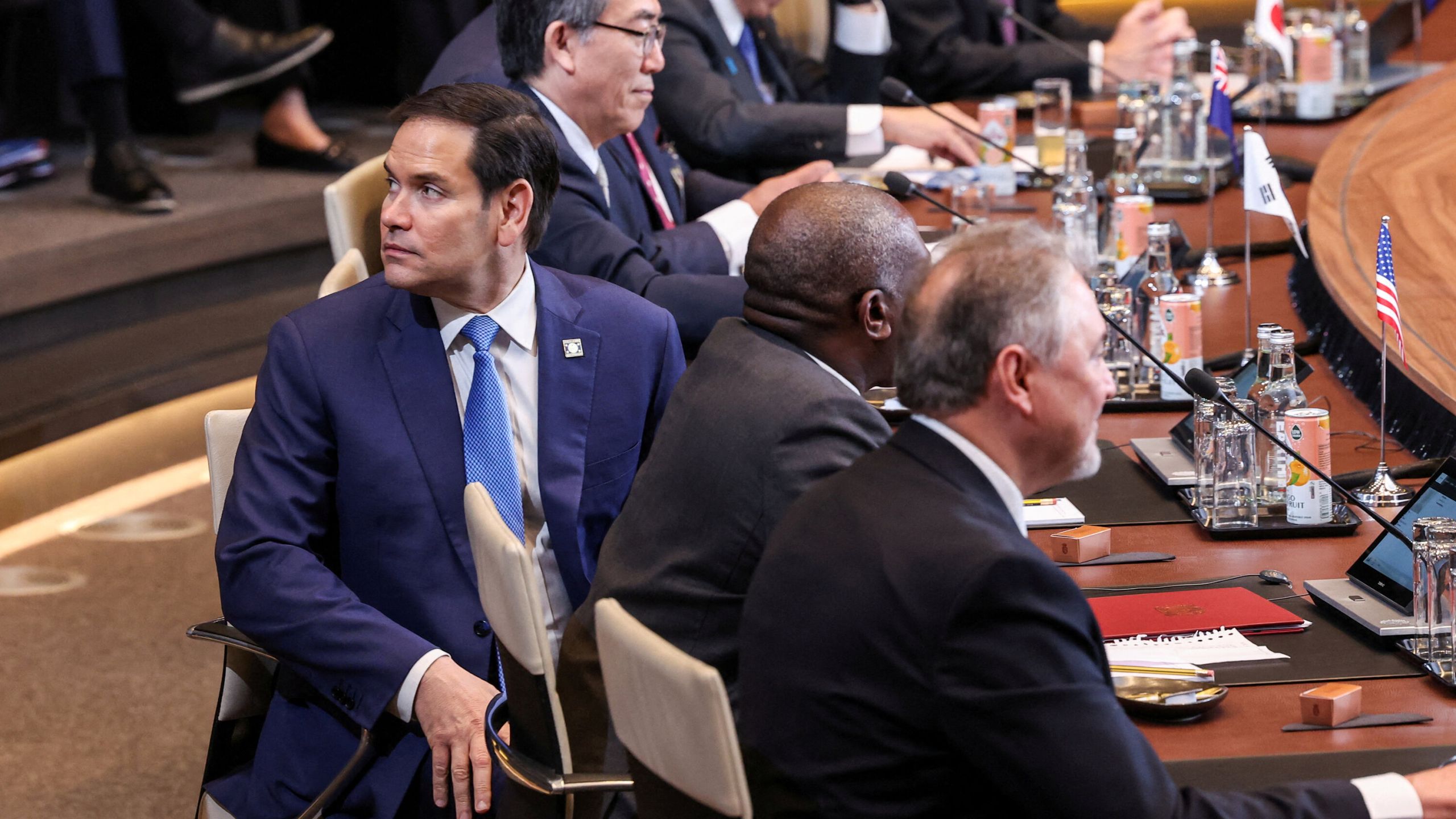
Photo: Reuters

In a pointed testimony before the House Foreign Affairs Committee, U.S. Secretary of State Marco Rubio has lambasted the administration of former President Joe Biden for effectively severing communication channels with Russia, labeling it a dangerous oversight in an era of heightened nuclear tensions. Rubio’s remarks underscore ongoing concerns about global security and the risks of miscalculation between the world’s two largest nuclear powers. Rubio, who has emerged as a key voice in U.S. foreign policy under the current administration, emphasized the critical need for dialogue with Moscow, regardless of the ongoing conflict in Ukraine. “Russia possesses the largest strategic weapon stockpile in the world and one of the largest in tactical nuclear weapons,” he stated during the hearing. This reality, he argued, demands “some level of communication between the United States and Moscow” to avert potential disasters. Rubio described the Biden administration’s approach as “frankly irresponsible,” noting that for approximately three years, the two nations failed to maintain even basic lines of communication. He stressed that such interactions do not imply alliance or friendship but are essential for preventing “miscalculation and war.”

The secretary’s comments come at a time when geopolitical strains, particularly over Ukraine, have intensified. Rubio drew parallels to the Cold War era, pointing out that even during the most fraught periods of U.S.-Soviet rivalry, both sides prioritized backchannel diplomacy. “Whether we like it or not, Russia is a global power,” he said in a recent interview. “Dialogue is absolutely necessary to prevent dangerous confrontations.” This perspective echoes his earlier statements, including an interview with Fox News in March 2025, where he characterized the Ukraine conflict as a “proxy war between nuclear powers—the United States, helping Ukraine, and Russia.” The Kremlin has similarly framed the situation, highlighting the proxy nature of the hostilities.
During the committee hearing, Rubio faced pressure from Democratic Representative Bill Keating, who repeatedly urged him to label Russian President Vladimir Putin a “war criminal.” Rubio declined, explaining that such rhetoric could hinder efforts to resolve the conflict. “We can’t end the war without talking to Mr. Putin,” he asserted, reinforcing his belief that open lines of communication are a pragmatic necessity, not a sign of weakness.
Rubio’s critique of the Biden administration adds to a broader debate about U.S. foreign policy in the post-Biden era. Critics of Biden’s approach argue that the former president’s emphasis on sanctions and isolation—particularly in response to Russia’s actions in Ukraine—escalated tensions without providing avenues for de-escalation. Supporters of Biden, however, maintain that the administration’s stance was a necessary response to Russian aggression, prioritizing accountability over dialogue.
As global instability persists, Rubio’s call for renewed engagement highlights a fundamental tenet of international relations: the importance of communication in managing risks. In an interconnected world where nuclear arsenals pose an existential threat, he warned that ignoring potential adversaries could lead to unintended escalations. “Even in the worst days of the Cold War, we kept talking,” Rubio reiterated. “We must do the same today to safeguard global peace.”
This testimony serves as a reminder of the delicate balance required in diplomacy. While the path forward remains uncertain, Rubio’s advocacy for pragmatic engagement offers a potential framework for navigating the complexities of U.S.-Russia relations in the 21st century.
By Paul Bumman

Related Posts